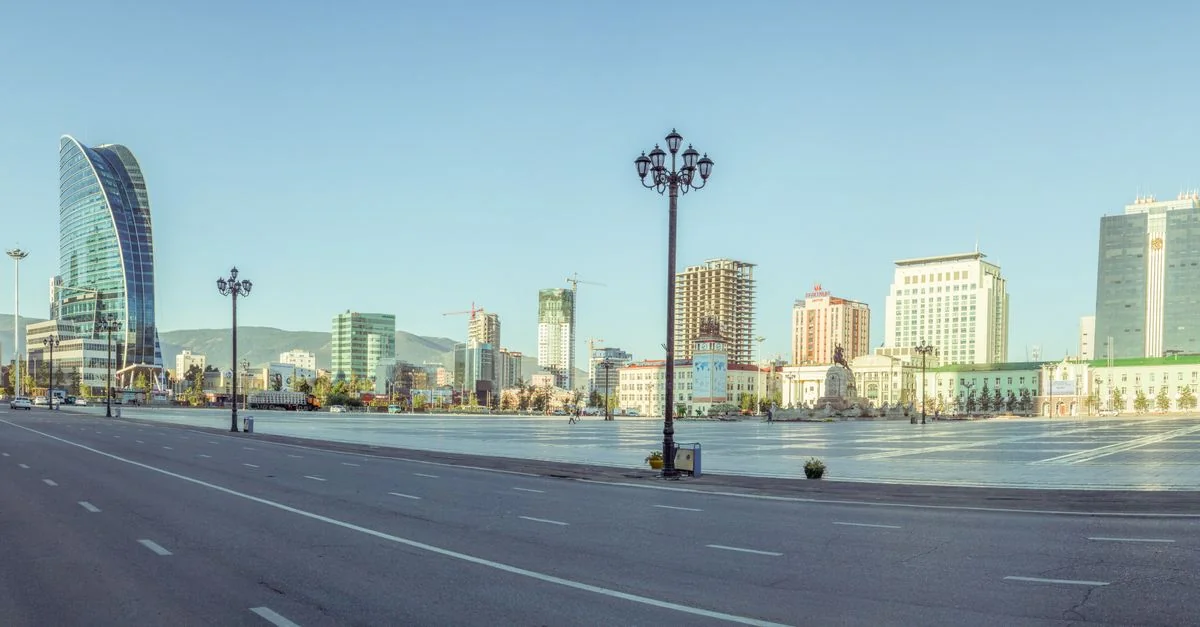
The wind cuts across the open squares of Ulaanbaatar with a persistence that reminds you exactly where you are standing: at the crossroads of history and high-altitude plains. My boots have logged hundreds of miles across this city, and there is no better way to understand the scale of the Sukhbaatar District than by navigating its wide boulevards and quiet corners on foot. When you walk, the sheer size of the monuments and the rhythm of the local pace become clear in a way that a car window can never capture. Why Sukhbaatar District is Best Explored on Foot # Walking through Sukhbaatar District allows you to control your own tempo. The district is defined by its expansive public spaces and the architectural legacy that sits between Soviet-era planning and modern development. When you are on the ground, you notice the details: the way the light hits the bronze statues, the texture of the stone in the central plazas, and the brief pauses of locals going about their daily routines.
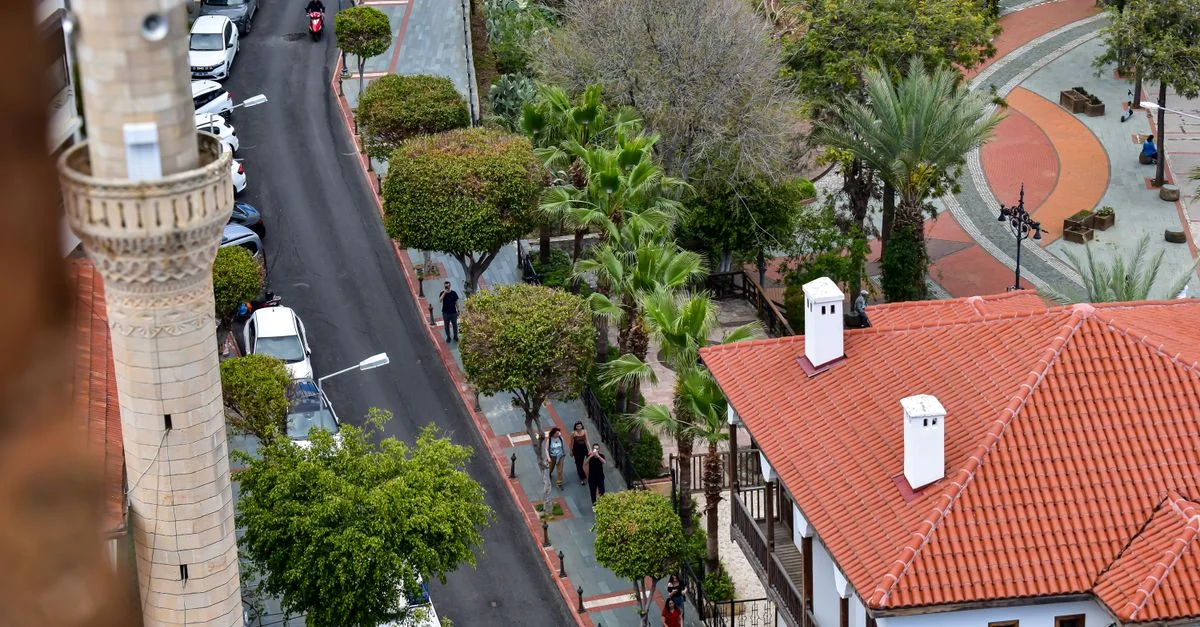
My shoes hit the ancient stone streets of Side just as the morning sun began to warm the Roman ruins scattered across the peninsula. As a travel blogger who logs thousands of miles on foot across the globe, I measure a destination by how easily its stories unfold step by step. Side, a stunning resort town on the southern Mediterranean coast of Turkey , demands to be walked. Ancient columns frame modern storefronts, and the scent of salt air mingles with the dust of centuries. When you walk this city, you skip the distance and feel the exact layout of a historic harbor that has welcomed travelers for millennia. Why Side is Best Explored on Foot # Vehicular traffic is mercifully restricted in the historic heart of Side, making your own two feet the only practical way to navigate the narrow alleys, crumbling theater walls, and seaside promenades. While resort buses and taxis drop visitors off at the outer perimeter, the real character of the town sits behind the monumental gates where asphalt gives way to centuries-old paving stones. Walking allows you to detour down side lanes that lead to unexpected fragments of marble temples, or pause to watch local fishermen cast lines near the Temple of Apollo ruins without checking a schedule. You notice the carved lintels above doorways and the way the old houses lean toward one another over the pedestrian-only paths.
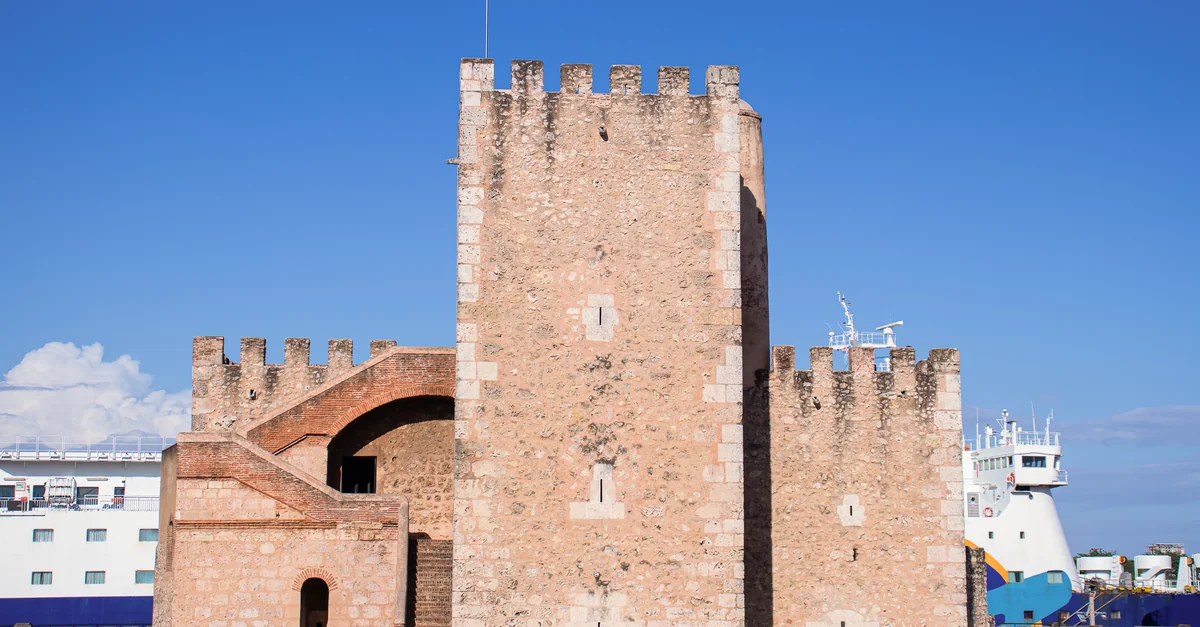
My sneakers hit the uneven colonial pavement just as the morning heat started baking the limestone walls of the Zona Colonial. Walking is the only way to genuinely understand this Caribbean capital, where 16th-century coral stone architecture sits directly beside modern urban life. Car horns echo off narrow alleys, street vendors sell fresh fruit from wooden carts, and the scent of roasting Dominican coffee drifts through iron-work gates. If you stay inside an air-conditioned bus, you miss the pulse of the city. Why Santo Domingo is Best Explored on Foot # Vehicular traffic in the capital can test your patience, but the historic core and surrounding green spaces were designed for human pace. When you walk, you notice the details: the intricate carvings on wooden balconies, the coolness of shady interior courtyards, and the exact texture of centuries-old coral rock. You can duck into quiet plazas that tour buses simply cannot reach.
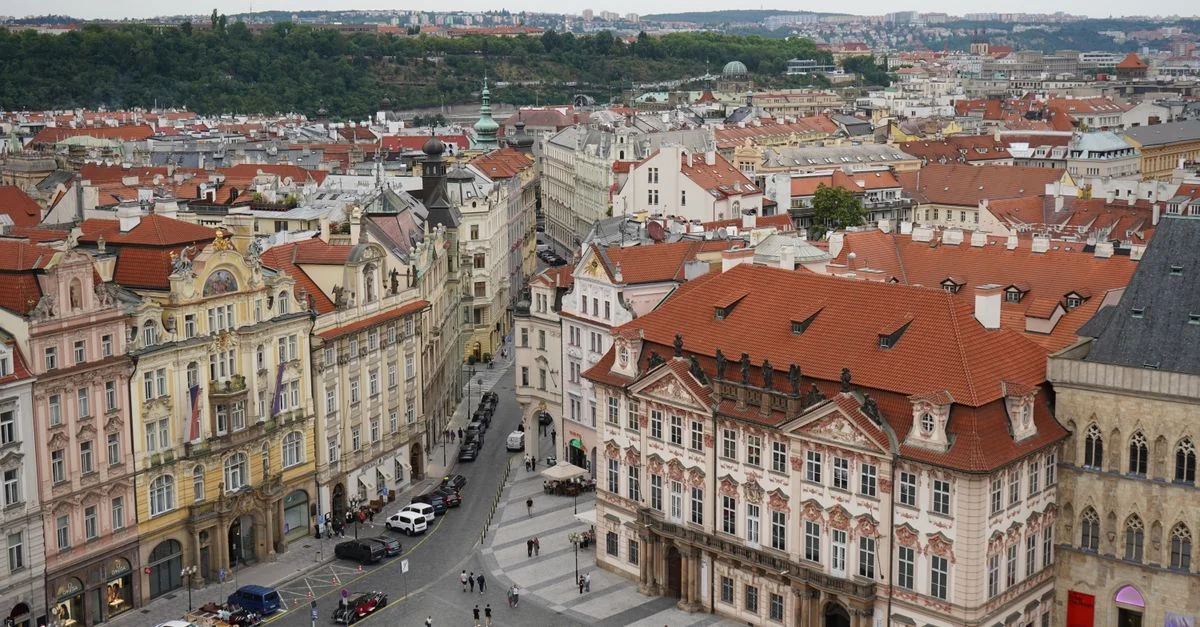
The cobblestones of Prague have a way of telling stories that you simply miss when you are behind the glass of a tour bus. I remember my first morning in the city, stepping out near the Vltava River just as the sun caught the spires of the Old Town. The sound of my own footsteps echoing against the medieval masonry was the only soundtrack I needed. Prague is a city built for the pedestrian, where every alleyway seems to lead to a quiet courtyard or a view that has remained largely unchanged for centuries. Why Prague is Best Explored on Foot # Prague is a dense collection of architectural eras, ranging from Romanesque foundations to Gothic towers and Baroque facades. When you walk, you notice the details: the intricate carvings on a doorway, the way the light shifts across the astronomical clock, and the subtle elevation changes that define the city’s topography. Navigating these streets on foot allows you to bypass the traffic that often clogs the main arteries, letting you cut through narrow passages that vehicles simply cannot access.
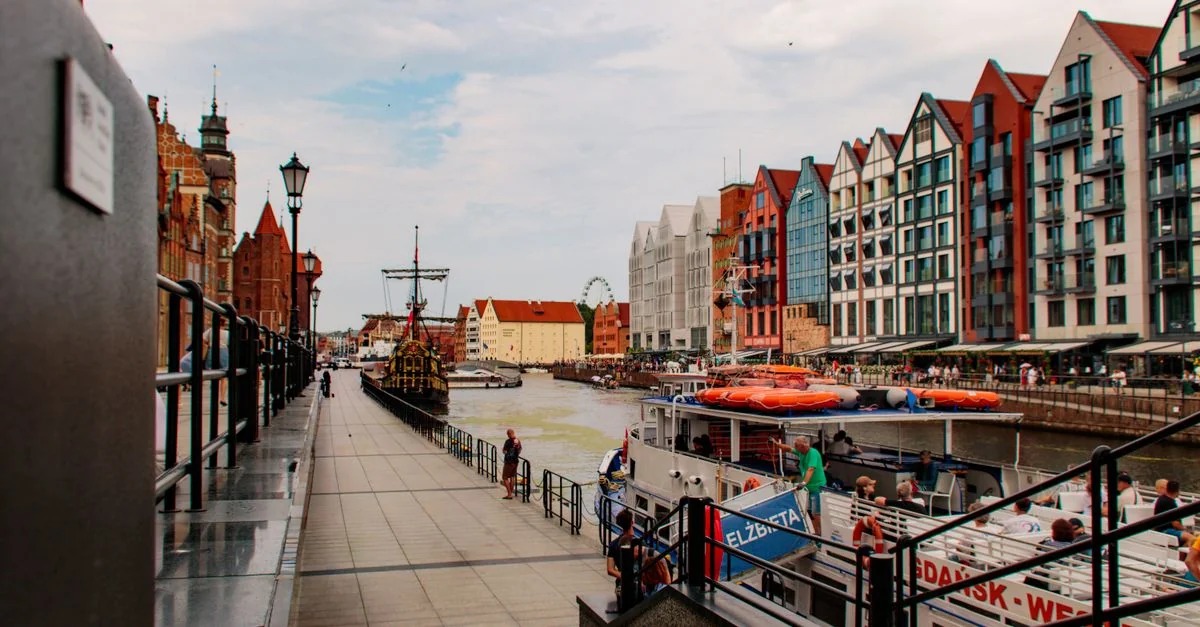
I spent the better part of a week navigating the streets of Powiat Gdańsk , moving from the historical corridors to the open-air squares. There is a specific rhythm to this region that you only catch when your boots are hitting the pavement. While many visitors rely on public transit or private cars, I found that the most meaningful interactions with the architecture and the local atmosphere happened when I slowed my pace to a walking speed. Why Powiat Gdańsk is Best Explored on Foot # The layout of Powiat Gdańsk rewards the observant traveler. Because the area is dense with history and narrow passages, driving often means missing the small details—the ironwork on a doorway, the specific texture of the brickwork, or the quiet side streets where the local life actually happens. When you walk, you have the freedom to stop whenever a building catches your eye or a local cafe smells particularly good.
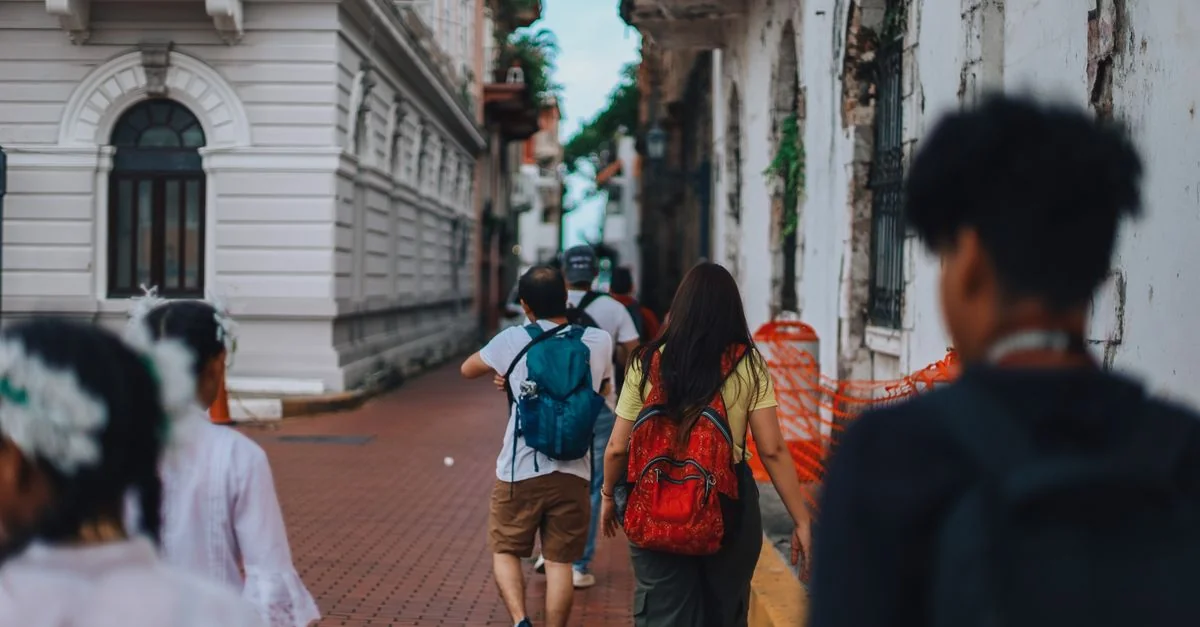
My sneakers tell the real story of Panama City long before any guidebook does. I have worn out the treads of three pairs of shoes navigating the humid asphalt, dodging street vendors selling fresh mangoes, and tracing the edges of where modern skyscrapers meet colonial ruins. When you pound the pavement here, you notice the salt in the air off the Pacific, the roar of container ships queuing for the canal, and the sudden shade offered by ancient mango trees. Walking is the only way to genuinely understand the raw friction and beauty of this city. Why Panama City is Best Explored on Foot # Vehicles in Panama City spend half their lives stuck in the legendary traffic crawling along the Cinta Costera or the Corredor Sur. If you stay behind a windshield, you miss the scent of roasting plantains, the detailed ironwork on the balconies of Casco Viejo, and the conversations drifting from corner bodegas. Walking forces you to slow down your pace and match the rhythm of the locals. You can duck into shaded courtyards or alter your route the second an interesting alley catches your eye.
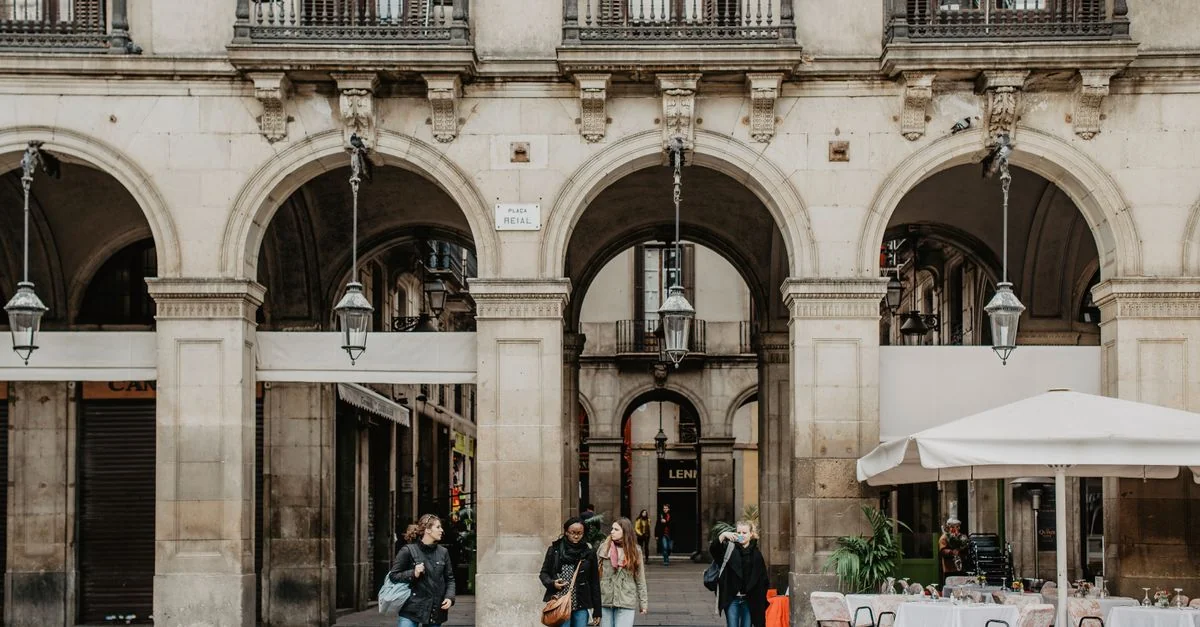
My calves still remember the ancient, uneven paving stones of PM, Spain , the kind of limestone pavement that polishes down to a mirror finish after centuries of foot traffic. When I travel, I rarely bother with taxis or public transit unless my knees are entirely shot. Cities like PM demand your physical presence; they require you to smell the roasting coffee beans rolling out of a neighborhood bodega, hear the distinct echo of boot heels bouncing off sandstone facades, and feel the sudden shift in temperature when you step out of a sun-baked plaza into a narrow, shaded alley. Why PM is Best Explored on Foot # Vehicular traffic in PM’s historic core belongs to another era entirely, designed for carts, horses, and pedestrians rather than modern delivery trucks and compact cars. When you walk, you catch the micro-details that drivers miss entirely: the wrought-iron balconies dripping with geraniums, the cool limestone archways leading to quiet interior courtyards, and the tiny neighborhood bakeries that don’t bother with street advertising because the aroma of ensaimadas does the work for them.
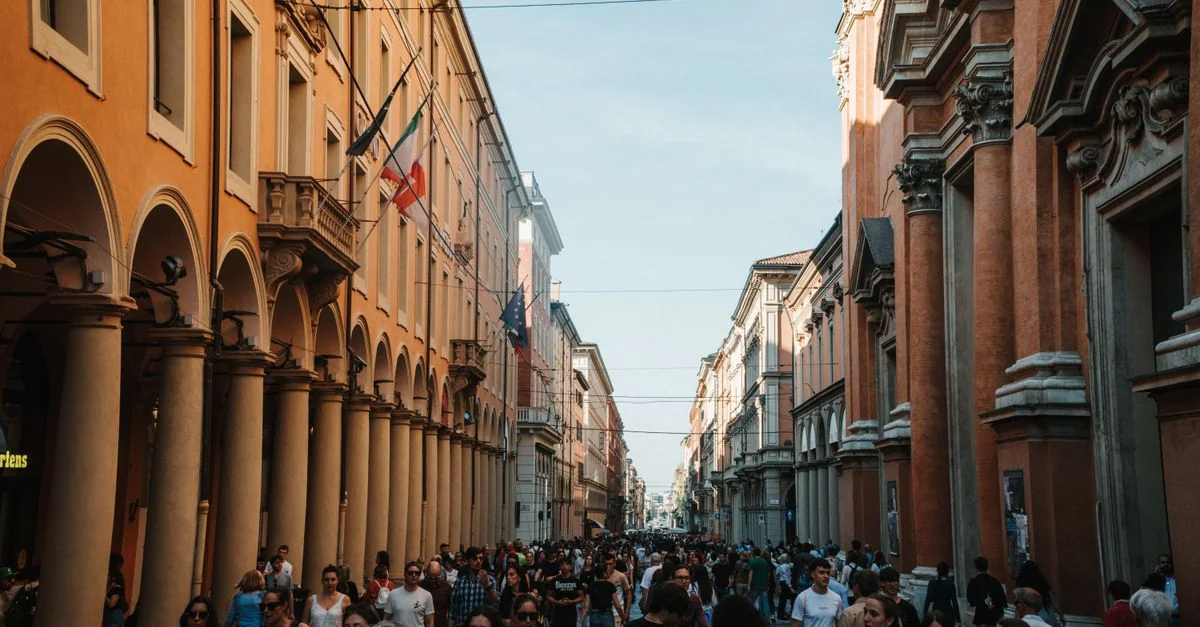
The smell of espresso hits you before you even reach the main squares of PD, a city where the medieval stone walls seem to hold onto the echoes of centuries past. When I arrive in a new city, I rarely reach for a map immediately. Instead, I find a central point, lace up my boots, and start moving. PD is a place that rewards those who take the time to navigate its narrow alleys and wide, open piazzas on their own terms. While the city is compact, the density of history packed into its streets means that every turn offers a new perspective on Italian life. Why PD is Best Explored on Foot # Walking is the only way to truly understand the rhythm of PD. When you are inside a vehicle, you miss the subtle shifts in architecture—the way a Gothic arch gives way to a Renaissance facade—and the quiet interactions between locals at the market stalls. The streets here were designed long before the internal combustion engine, meaning they are often narrow, winding, and perfectly suited for pedestrians.
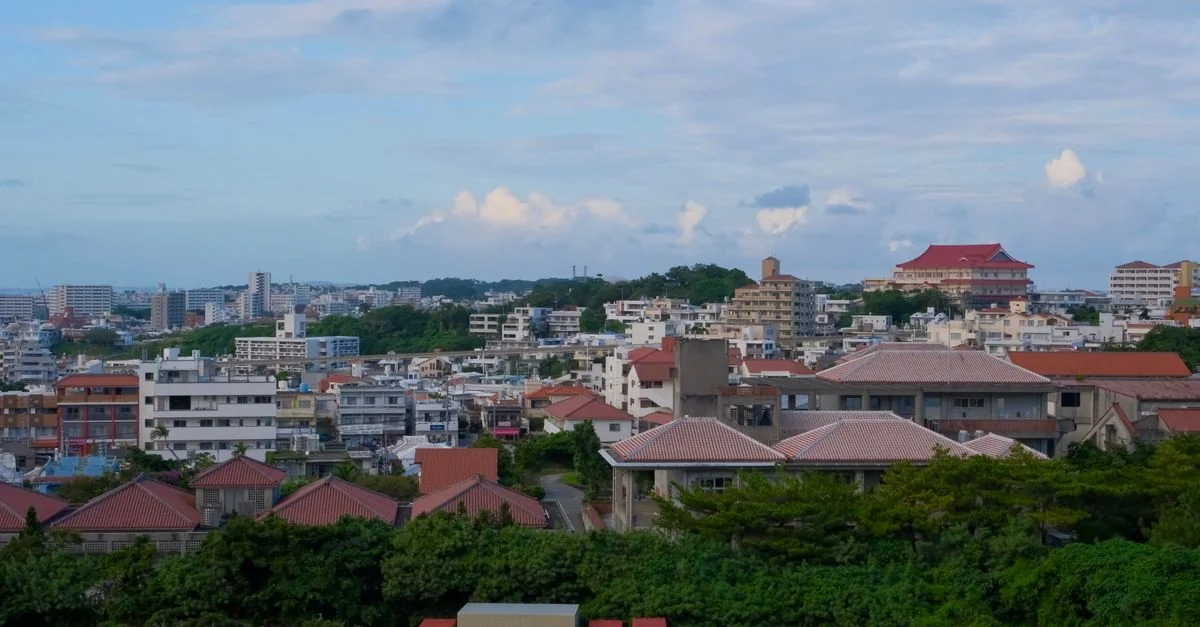
My boots hit the asphalt early, tracking the salt spray drifting off the East China Sea and settling on the low concrete walls of Naha. When I travel, I rarely rely on public transit or taxis to figure out a destination’s rhythm. I walk. On an island shaped by complex history, maritime trade, and distinct local foodways, traversing the streets on foot reveals the layers that drive past in a blur. From airport terminals to neighborhood watering holes, pounding the pavement remains the only way to genuinely understand how this prefecture functions outside the resort compounds. Why Okinawa is Best Explored on Foot # Streets here demand a slow pace. While the main highways carry speeding traffic between tourist hubs, the pedestrian corridors, narrow market alleys, and residential lanes tell the real story. Walking allows you to notice the architectural shifts—from post-war concrete dwellings to traditional tile-roofed homes guarded by shisa lion statues warding off misfortune. You catch the aroma of simmering pork broth long before you spot the open-air kitchen, and you notice the elderly residents chatting on low stools outside local shops.
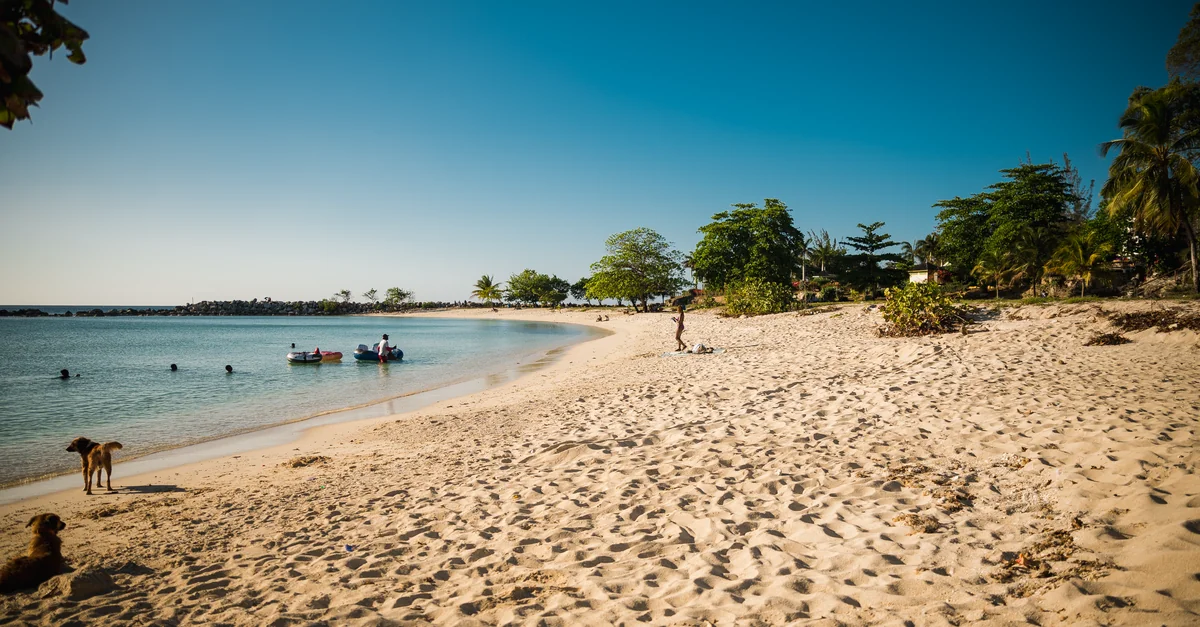
My sneakers hit the sun-baked asphalt of Sam Sharpe Square, and the exhaust of a passing route taxi mixed immediately with the heavy, sweet scent of roasting jerk pork from a nearby drum pan. Walking a city tells you its real rhythm, far away from the polished marble lobbies of all-inclusive resorts. Montego Bay demands to be met on foot, step by humid step, letting the street noise, the architecture, and the conversations of locals shape your understanding of the North Coast. Why Montego Bay is Best Explored on Foot # Vehicles shield you from the texture of Jamaica . When you ride in a tour bus, the corrugated zinc roofs, the hand-painted storefront signs, and the steep inclines of the city blur past. Walking forces you to slow down and notice the details: the shade offered by old Poinciana trees, the precise cadence of local patois, and the exact angles of colonial-era buildings standing shoulder-to-shoulder with modern concrete structures.