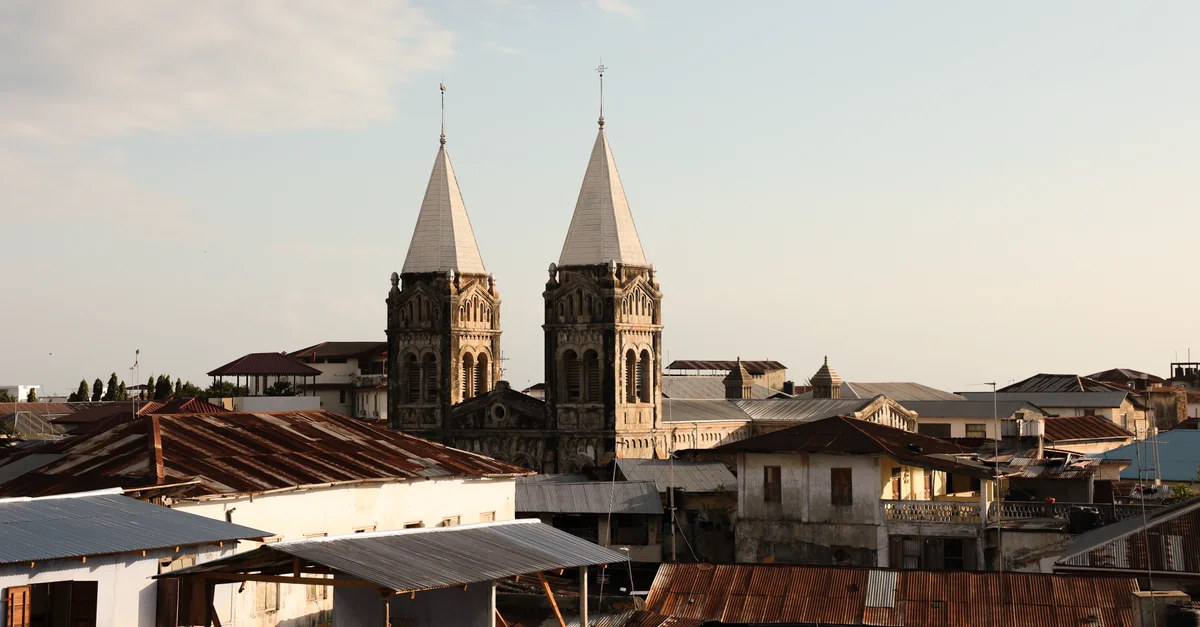
The midday heat radiates off the coral stone walls of Mjini , reflecting a blinding white glare that makes you squint as you navigate the narrow, labyrinthine alleys. I spent three weeks pounding the pavement here, letting my sneakers collect the fine dust of centuries-old streets, and I quickly learned that vehicles are entirely useless in the historic heart of this city. You smell the cloves and cardamom tumbling out of tiny storefronts long before you actually see the spice merchants, and you hear the muffled clatter of copper being hammered into trays down dead-end alleyways. This place demands a slow pace and a strong pair of legs. If you want to understand how the Omani, Persian, Indian, and European influences converged on this East African coast, you have to walk it block by block. Why Mjini is Best Explored on Foot # Vehicles simply cannot fit down the majority of Mjini’s lanes. The streets were engineered centuries ago for pedestrians, donkeys, and handcarts, meaning cars are restricted to the main perimeter roads. When you walk, you notice the details that riders zoom right past: the heavy wooden doors studded with brass spikes designed to deter charging war elephants, the intricate coral rag masonry weathering under the humidity, and the sudden quiet courtyards tucked behind unassuming archways. Walking lets you pause to chat with local carpenters carving doorframes or dodge bicycle vendors balancing towers of fresh bread on their heads.
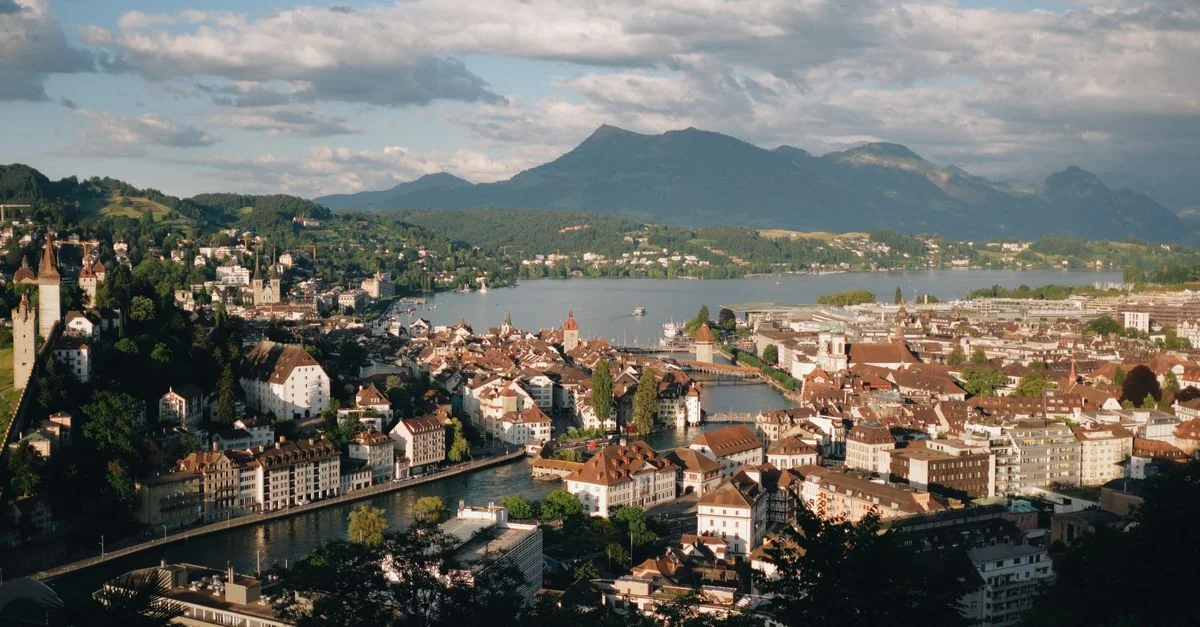
My boot soles have worn through cobblestones across half of Europe , but walking through Luzern-Stadt always feels like stepping directly into an illustrated chronicle. When you arrive here, the heavy scent of lake water mixes with old timber, and the jagged peaks of Mount Pilatus and Rigi frame every street corner. You miss the marrow of this city if you watch it through a bus window. I learned this years ago on my first trip, when I accidentally got lost near the water gates and stumbled upon quiet alley frescoes I never would have spotted at twenty miles per hour. Luzern-Stadt demands a slow pace, a good pair of lungs, and an eye for detail. Why Luzern-Stadt is Best Explored on Foot # The historic core of Luzern-Stadt was built centuries before the internal combustion engine ever existed, meaning the urban layout stubbornly resists cars and favors human legs. As I trace the curves of the Reuss River on foot, I notice the subtle architectural shifts that drivers speed right past. You see the carved wooden beams of medieval guild houses, the faint pastel pigments of painted facades along Weinmarkt square, and the intricate stone details of the old fortifications. Walking lets you cross the historic bridges at your own rhythm, pausing to examine the triangular paintings hidden beneath the roof timbers of the Chapel Bridge.
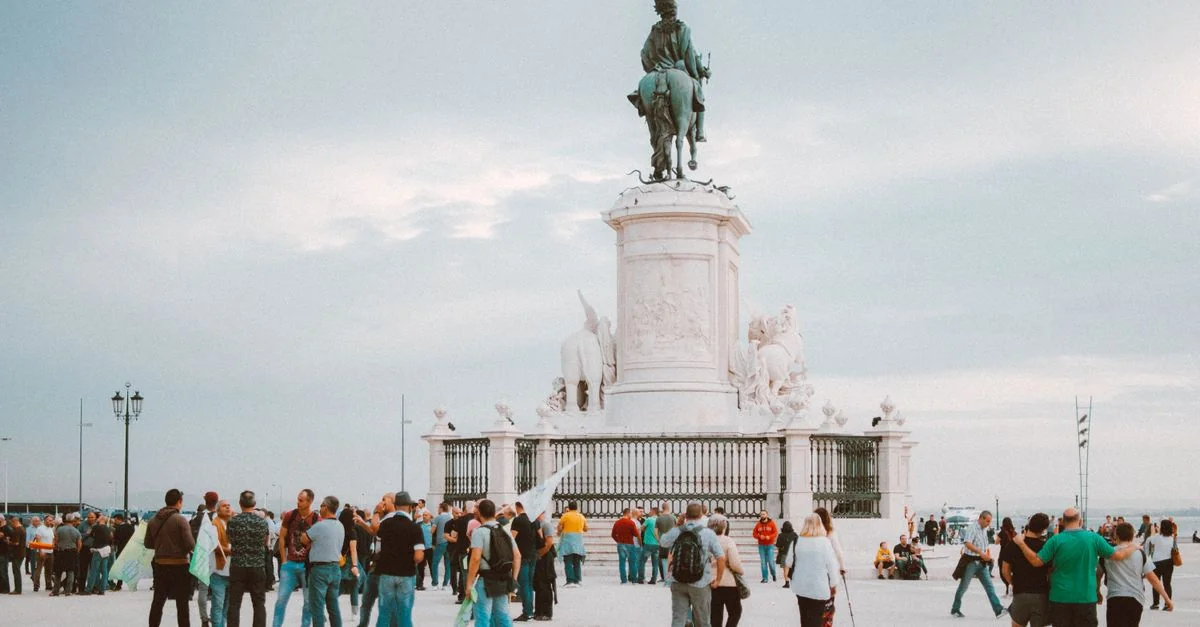
My calves still remember the relentless limestone slopes of the Portuguese capital, a city built on seven steep hills that demand respect from every traveler. When I walk Lisbon ’s labyrinthine neighborhoods, I notice the intricate calçada portuguesa sidewalks that gleam under the Atlantic sun, polished smooth by centuries of footsteps. Traversing these ancient lanes reveals architectural layers that flat cities simply cannot offer, from Moorish remnants in Alfama to the grand plazas of the downtown grid. Why Lisbon is Best Explored on Foot # Stepping onto the pavement is the only way to catch the scent of grilled sardines drifting from tiny doorways and hear the distant, melancholic notes of fado echoing down a residential alley. Vehicles miss the tactile details: the chipped blue-and-white azulejo tiles on crumbling facades, the sudden grand river views that open up at the end of a narrow staircase, and the sheer verticality of a metropolis designed for pedestrians long before engines existed. Walking forces you to slow down and sync your pace with the city’s daily rhythm.

My boots have logged thousands of miles across global asphalt, and I can tell you straight away that asphalt tells a different story when you slow down to pedestrian pace. When I rolled into Kutaisi , I didn’t grab a taxi or rent a car. I laced up my most durable boots and hit the pavement. This Georgian city demands to be felt through the soles of your shoes, from the worn stone steps near the Rioni River to the crumbling modernist corridors just outside town. Walking lets you smell the woodsmoke mixed with sulfur, hear the clinking of wine glasses down narrow alleys, and notice the intricate iron balconies that drivers miss entirely at fifty kilometers per hour. Why Kutaisi is Best Explored on Foot # Vehicles rush past the architectural layers that make this city so compelling. On foot, you catch the details: a fading Soviet mosaic on a residential block, a stray dog napping in a patch of afternoon sunlight, or an elderly man selling churchkhela from a wooden cart. The street grid near the center transitions organically from chaotic markets to quiet residential neighborhoods with leaning fences and overflowing grapevines. You cannot replicate that tactile connection from the window of a marshrutka.
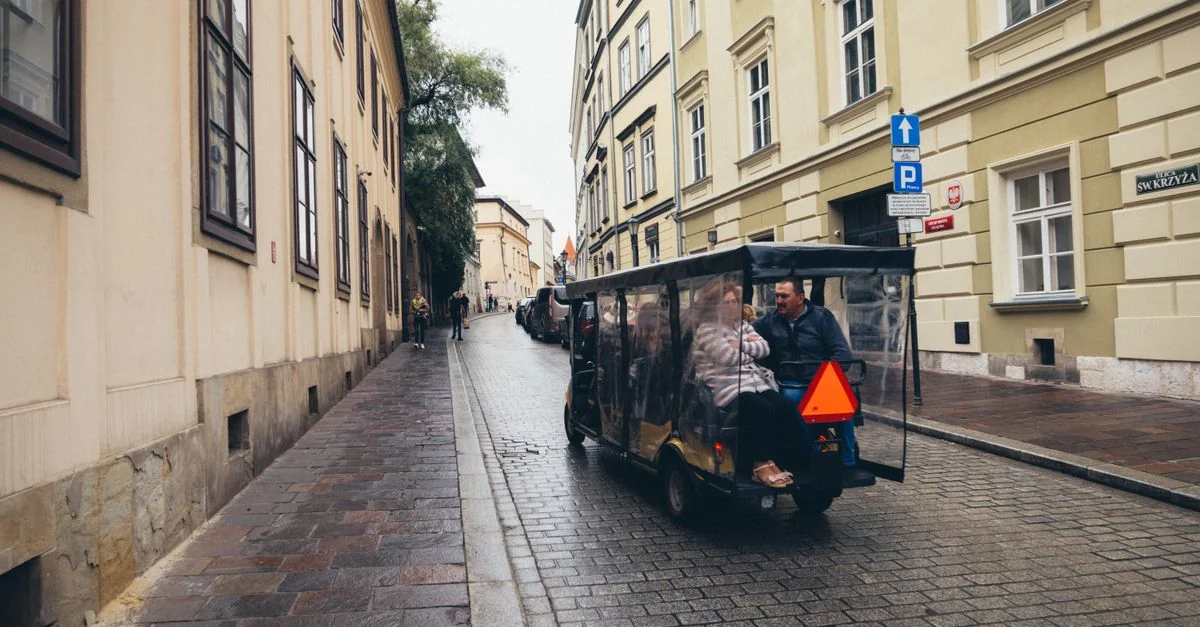
My boots hit the cobblestones of the Main Market Square just as the morning mist started lifting off the Renaissance cloth hall, and I knew instantly that this was a city meant for pavement pounders. When you travel for a living like I do, you quickly learn which cities demand cars and which cities reward the ache in your calves. Krakow falls squarely into the latter category. Every alleyway in the historic core whispers centuries of trade, royalty, and resilience. Why Krakow is Best Explored on Foot # Vehicular traffic in the historical center is heavily restricted, which means your own two feet remain your greatest asset. Walking allows you to slip down narrow medieval lanes that buses simply cannot reach. You notice the intricate stonework on tenement facades, the scent of fresh obwarzanek rolling off street carts, and the sudden opens spaces of massive gothic courtyards.
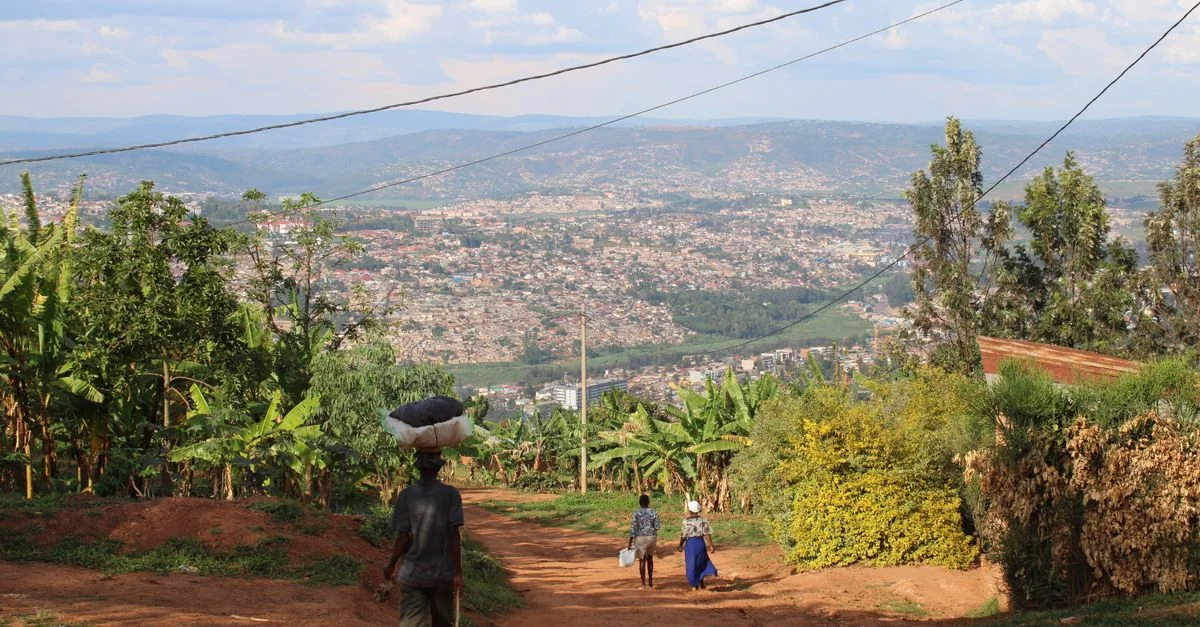
The red earth of Kigali ’s hills clings to my boots as I navigate the steep inclines that define this city’s geography. Walking through the capital of Rwanda is an exercise in patience and perspective; the city is built on a series of ridges and valleys, meaning every street corner offers a new vantage point over the orderly, green sprawl below. While many visitors rely on motorcycle taxis to zip between districts, I find that the true character of Kigali reveals itself only when you move at a human pace. The air is thin, the sun is direct, and the silence of the residential streets is often broken only by the sound of sweeping brooms or distant chatter from local markets. Why Kigali is Best Explored on Foot # Kigali is a city of layers. When you ride in a vehicle, you miss the subtle shifts in architecture and the way the urban landscape transitions from high-rise commercial hubs to quiet, tree-lined neighborhoods. Walking allows you to engage with the city’s history in a way that feels intentional. You notice the meticulous maintenance of the public spaces and the way the city honors its past through its memorial sites. Because the city is so hilly, walking forces you to slow down, which is necessary to appreciate the scale of the recovery and development that has occurred here. It is a clean, orderly, and deeply thoughtful place, and being on foot connects you to the rhythm of the people who live here.

The red rock formations of Yavapai County rise from the desert floor with such intensity that seeing them from behind a windshield feels like a disservice to the landscape. I have spent years walking the streets and trails of this region, and I have learned that the only way to truly understand the scale of these canyons is to cover the ground yourself. Whether you are navigating the quiet energy of a peace park or listening to the history of the high desert, your own two feet provide the best perspective. Why Yavapai County is Best Explored on Foot # When you drive through Yavapai County, you catch glimpses of the terrain, but you miss the nuances. Walking allows you to notice the subtle changes in the desert flora, the way the light shifts against the sandstone, and the specific silence that settles over the area during the early hours. I prefer walking because it forces a slower pace, which is essential in a climate that demands respect. You can stop to examine a rock formation or adjust your route based on the wind, something a car simply does not allow.

My sneakers have scraped against concrete across five continents, but there is a raw, industrial poetry to walking the asphalt here that keeps me coming back. When you travel by car, you miss the subtle shifts in neighborhood architecture, the scent of fresh-roasted coffee spilling from a converted warehouse, and the sudden appearance of towering public art murals that appear around a blind corner. Wayne County demands to be explored on foot, block by block, at a pace that lets you absorb the grit and grandeur of the Midwest. Why Wayne County is Best Explored on Foot # I spent my first three days here driving between sights, and I felt completely disconnected from the actual pulse of the place. Parking lots and expressways create barriers that a vehicle simply cannot cross. The moment I parked the car, laced up my boots, and hit the pavement, everything changed. You notice the intricate terra cotta details on turn-of-the-century bank facades, the clatter of the Q-Line overhead, and the way locals greet each other at neighborhood crossings.
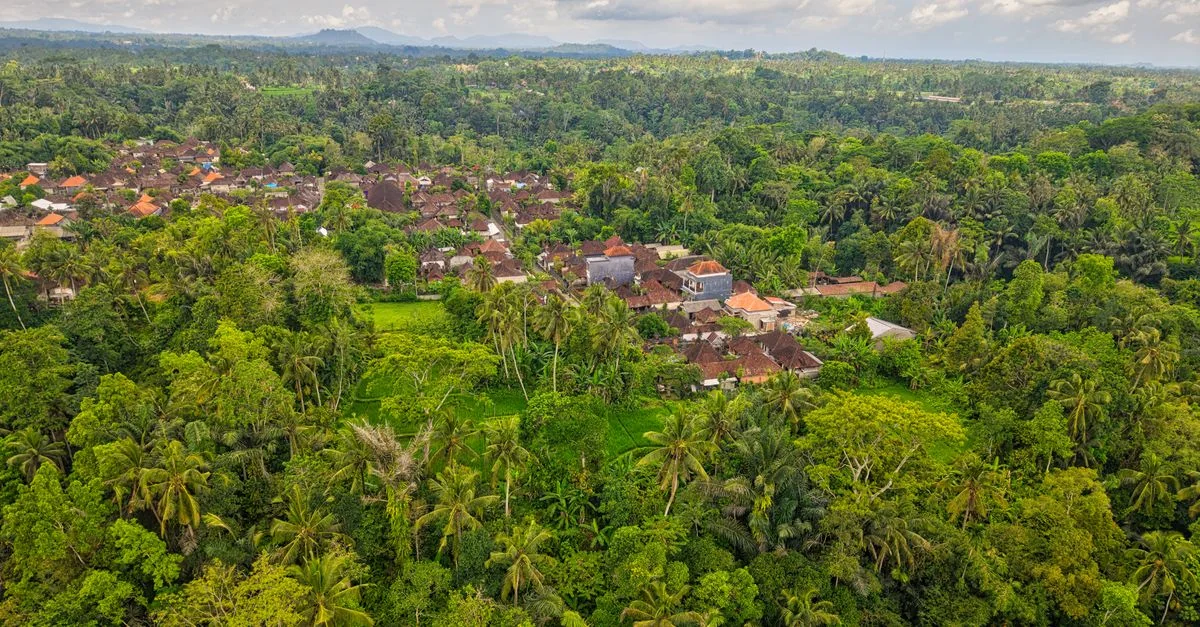
My shoes were completely coated in red clay by noon, sweat dripping off my nose as I navigated another narrow alleyway lined with frangipani trees. Most travelers make the mistake of sitting in traffic-choked taxis along Monkey Forest Road, missing the quiet temple shrines tucked behind family compounds and the sudden openings that lead straight into emerald rice paddies. I prefer to experience a destination at ground level, feeling the humidity shift as you drop from the main street down into the river valleys. Walking lets you smell the burning clove cigarettes, hear the daily offering baskets being swept onto sidewalks, and actually cover ground in a town where four-wheeled transport often crawls at a snail’s pace. Why Ubud is Best Explored on Foot # Vehicles struggle through the central arteries of this Balinese town, where sidewalks vanish without warning and narrow lanes choke with motorbikes. By keeping your pace steady on two feet, you gain access to the real layout of the settlement. You can duck into small stone carver workshops, pause to watch ducks waddle across muddy irrigation channels, and cross suspension bridges over the Campuhan River that cars simply cannot reach. The terrain shifts constantly, climbing uphill past art galleries before dropping sharply into deep, jungle-lined ravines.

My boots have logged thousands of miles across asphalt, cobblestone, and caliche dirt trails worldwide, but few regions surprise me quite like Tarrant County. When most travelers picture North Texas, they envision endless suburban sprawl and gridlock on the interstate. Yet, if you step out of the car and hit the pavement on foot, you uncover a completely different rhythm. Walking allows you to notice the architectural details of old cattle-shipping hubs, the distinct scent of mesquite smoke drifting from local kitchens, and the sudden shifts in neighborhood character that highway driving completely erases. Why Tarrant County is Best Explored on Foot # Speed is the enemy of observation. Driving through Fort Worth or Grapevine delivers you from point A to point B, but walking forces you to engage with the streetscape. I spent three days pacing the sidewalks here, tracking how the morning light hits the historic brick storefronts and how the terrain shifts from urban plazas to lakeside paths. When you walk, you catch the subtle markers of local history—cast-iron horse rings still embedded in curbs, century-old neon signs buzzing to life at dusk, and public art installations tucked into alleyways.