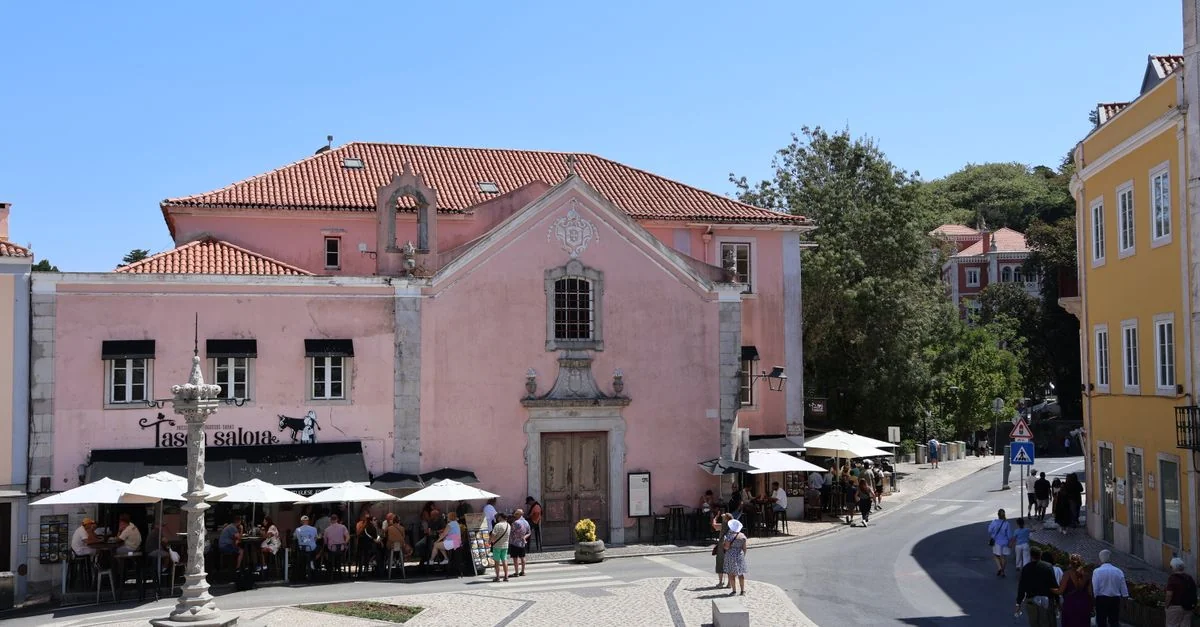
The mist clings to the granite peaks of the Serra de Sintra like a damp wool blanket, obscuring the jagged spires of the palaces until you are standing directly beneath them. I have spent years wandering through European towns, but few places demand your physical presence quite like this. You do not simply view Sintra; you climb it. The verticality of the landscape is deceptive when viewed from a train window, but once you hit the cobblestones, the incline becomes the primary architect of your day. Walking here is a slow, deliberate process of navigation, where every turn reveals a steep stairwell or a winding forest path that reveals the architectural oddities of the region. Why Sintra is Best Explored on Foot # If you rely on buses or shuttles, you miss the transition between the dense, humid forest and the manicured, eccentric gardens that define the area. Walking allows you to control your pace, which is essential when the humidity rises or the fog rolls in. The geography here is punishing on the calves, but the payoff is the ability to duck into side paths that vehicles cannot access. I find that the sound of the wind through the pines and the distant chime of church bells are lost when you are trapped in a crowded transit queue. By walking, you connect the disparate estates through the natural landscape, seeing how the nineteenth-century architects utilized the terrain to frame their homes.
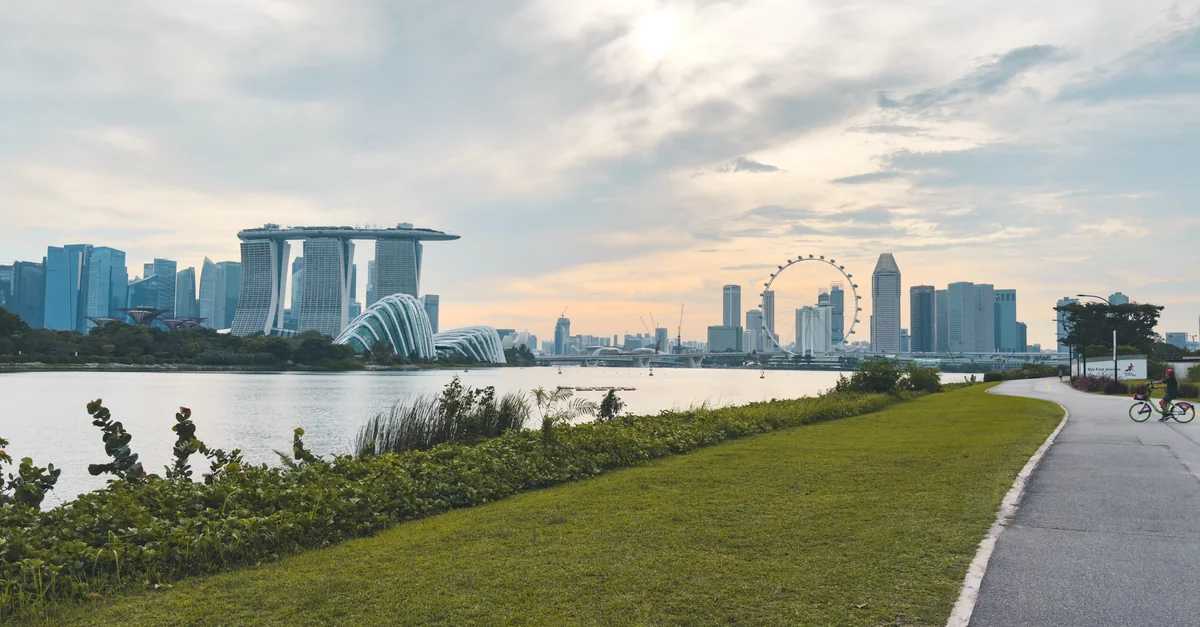
My sneakers hit the asphalt at 6:30 AM near the Bugis district, sweat already beading on my forehead before the equatorial sun fully clears the shophouses. Walking Singapore is an exercise in sensory whiteness and sudden shade. One minute you are dodging construction cranes near modern glass towers, and the next you are smelling roasted spices and jasmine wreaths hanging over a mosque doorway. If you sit in an air-conditioned ride-share or hop on the MRT between stations, you miss the micro-neighborhoods that give this island its real texture. I have pounded pavement across dozens of global capitals, and Singapore rewards the pedestrian who is willing to sweat through a shirt or two for the sake of discovery. Why Singapore is Best Explored On Foot # You cannot understand Singapore’s strict urban zoning or its layered cultural history from the window of a taxi. The island nation is fundamentally built for human-scale movement, despite its futuristic skyline. When you walk, you notice how the colonial-era grid abruptly shifts into the narrow lanes of Kampong Glam, or how the damp scent of traditional Chinese medicine shops gives way instantly to the buttery aroma of Malay bakeries. Sidewalks are wide, shaded by the iconic five-foot ways of historic shophouses, and connected by well-paved pedestrian bridges.
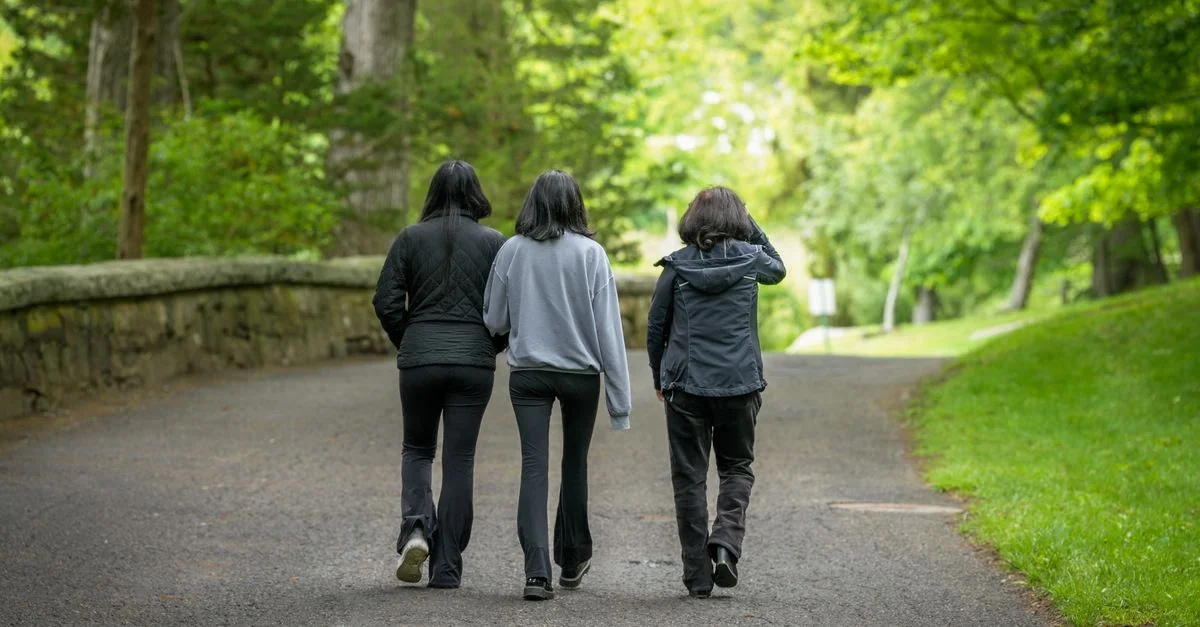
My boots have logged thousands of miles across European pavement, and every time I arrive in a new destination, I reach for my laces before my transit map. Walking forces you to slow down, catch the scent of roasting garlic drifting from a residential alleyway, and notice the uneven cobblestones that tell the real story of a place. SI is no exception. This city demands to be felt through the soles of your shoes, with every turn revealing architectural shifts and neighborhood rhythms that bypass the tour bus windows entirely. Why SI is Best Explored on Foot # Vehicles simply cannot reach the narrow stairwells, arched stone thresholds, and medieval corridors that form the skeleton of SI. When you walk, you control the pace. You can pause to watch an elderly resident sweep their stone doorstep or slip into a tiny bakery because the smell of fresh bread demands your attention. Motorized transport turns a city into a series of disconnected landmarks, but walking stitches them together into a continuous, living narrative.

My sneakers hit the pavement of New Hanover County with gravel grinding against the soles and the salty Atlantic wind stinging my cheeks. I have walked thousands of miles through cities across the globe, and I can tell you straight up that pavement pounding is the only way to genuinely understand a destination’s pulse. Vehicles insulate you from the environment, but walking forces you to smell the coastal pine, hear the creak of historic downtown boardwalks, and feel the exact grade of the terrain beneath your feet. New Hanover County rewards the walker who is willing to log the miles on foot, taking you from urban historic corridors out toward the ocean breeze. Why New Hanover County is Best Explored on Foot # When you rely on cars or buses here, you miss the micro-details. You miss the way the light hits the historic brick facades in the urban core and the sudden shift in humidity as you approach the coastal fringes. Walking allows you to stop on a whim, inspect a plaque, or take a sharp turn down a narrow alleyway that no vehicle can squeeze through. My calves usually burn by the end of a long walking day in this county, but that physical exertion is the exact price of admission for genuine discovery.

My boots hit the asphalt just as the morning fog began to lift off the valley floor, revealing rows of dormant vines stretching toward the Mayacamas Mountains. When people talk about this region, they usually picture luxury coaches and chauffeured sedans crawling down Highway 29. But pounding the pavement yourself changes the entire geometry of the place. You smell the damp earth, hear the gravel crunch beneath your soles, and notice the peeling paint on historic downtown storefronts that passing drivers miss entirely. Walking forces you to slow down and actually read the landscape of Northern California’s most famous agricultural corridor. Why Napa County is Best Explored on Foot # The scale of downtown hubs and historic districts here is entirely pedestrian-friendly. While the valley spans miles, specific pockets are dense with history, architecture, and local character that vanish at forty miles per hour. When you walk, you catch the scent of roasting coffee beans from a corner roastery or stumble upon a quiet alleyway mural.

I spent three days pacing the sidewalks of Morris County, and the pavement here tells a story that you simply miss from behind a steering wheel. Most people treat this part of New Jersey as a blur of highway exits, but when you actually slow your pace to a walking speed, the architecture and local history start to reveal themselves. Walking is the only way to catch the details in the brickwork or the specific character of the town squares. Why Morris County is Best Explored on Foot # When you walk through Morris County, you notice the shifts in topography and the intentional design of the older town centers. Driving through these areas often means circling for parking or getting stuck in traffic, whereas walking allows you to cut through alleys and side streets that define the local layout. I found that by keeping my feet on the ground, I could stop whenever a building caught my eye or a local shop piqued my curiosity. The scale of the towns here is perfect for pedestrians, as the commercial hubs are condensed enough to traverse in a few hours without needing a shuttle or a ride-share.
My shoes always tell the true story of a city long before my camera does. After pounding the pavement across the Mediterranean, I learned that Marmaris is a place where asphalt gives way to pine-dappled coastal paths and dusty inland tracks. When you explore this region on foot, you bypass the glass-shielded windows of tour buses and smell the hot pine resin, the salt air, and the dust kicked up from centuries-old mule tracks. Walking here requires grit and the right gear, but the payoff is a direct connection to the landscape. Why Marmaris is Best Explored on Foot # Most travelers stick to the immediate harborfront, sipping overpriced tea while staring at docked yachts. They miss the texture of the town. Walking lets you slip down narrow residential lanes where laundry hangs between stucco walls and stray cats hold court on stone steps. You hear the clatter of cutlery from neighborhood lokantas and the call to prayer echoing across the bay.
My boots hit the pavement in MS, Germany , and the steady hum of foot traffic immediately set the rhythm for my day. I walk cities for a living, covering miles of asphalt, cobblestone, and concrete to find out how a place actually functions at human speed. MS is no exception. When you keep your pace slow and your eyes forward, the city reveals its distinct layout block by block. Why MS is Best Explored on Foot # Vehicles miss the subtle shifts in architecture and the narrow cut-throughs that define the pedestrian experience here. Walking allows you to stop at a sudden intersection, catch the scent of fresh pretzels from a neighborhood bakery, and notice how the local population moves through public spaces. You cannot feel the grade of a hill or the texture of historic paving stones from the window of a tour bus. MS demands physical engagement.
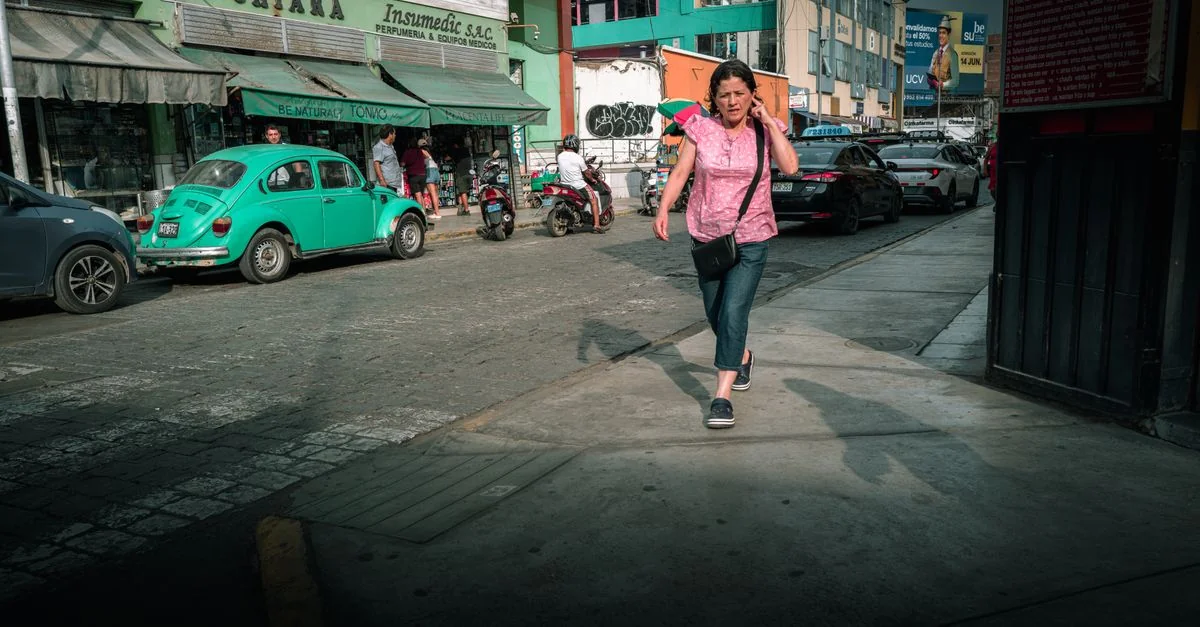
My boots hit the damp pavement of Lima just as the coastal mist, known locally as the garúa, began to lift off the cliffs of Miraflores. Walking a city is the only way to understand its true rhythm, to smell the salt in the air mixed with charcoal from street grills, and to hear the constant hum of traffic competing with the Pacific waves. Lima demands to be explored at street level, where every corner reveals peeling colonial paint, iron balconies, and neighborhoods shifting character block by block. Why Lima is Best Explored on Foot # Vehicular traffic in Lima is notoriously chaotic, and taking a taxi often means losing hours staring at brake lights. Walking allows you to slip down narrow alleyways, pause to watch skateboarders near the Malecón, or stop at a corner cart for freshly squeezed orange juice. When you walk, you notice the architectural transition from the modern high-rises of Miraflores down to the historic heart of the center.

My boots hit the pavement in Knox County before the morning fog fully lifts off the harbor, and that is precisely how I prefer to meet a new place. Walking these coastal Maine roads gives you the real grit of the county—the smell of salt air mixing with pine, the uneven granite curbs, and the quiet rhythm of towns that have lived alongside the Atlantic for centuries. When you travel on foot, you notice the hand-painted signs on old sea captains’ homes and hear the distinct crunch of crushed shell paths under your soles. Why Knox County is Best Explored on Foot # Vehicles rush past the best details here. You miss the narrow alleyways that drop straight down to the rocky shore or the weathered historical plaques mounted on brick facades when you are staring through a windshield. Walking lets you set your own pace, stopping to watch lobster boats unload their catch or stepping aside for a local cat sunning itself on a porch rail. The scale of Camden and Rockport invites pedestrian exploration, with downtown districts compact enough to cover entirely on foot without wearing out your legs too early in the day.