When I first set foot in Canberra, the capital’s wide avenues and carefully placed memorials felt like a story waiting to be read step by step. I wasn’t looking for a quick snapshot; I wanted the kind of experience that lets you pause at a monument, hear the whispers of history, and still have energy left for a coffee at a local café. That’s why I turned to the Canberra Power Peace and History Self‑Guided Walking Tour—an audio guide that lets you control the pace, linger where you wish, and keep your itinerary flexible. Why Australian Capital Territory is Best Explored on Foot # Canberra’s layout is deliberately designed for pedestrians. The city’s “geometric” grid, interspersed with lakes, parks, and museum precincts, creates natural corridors that link cultural sites without the need for a car. Walking lets you notice the subtle shifts in landscape—from the reflective surface of Lake Burley Griffin to the stone facades of the Parliament House—details that a quick drive would blur.
I stepped off the bus onto the sun‑baked streets of Alice Springs and felt the desert’s pulse under my sneakers. Within minutes a lone red‑rock outcrop caught my eye, and I realized the town’s best stories are told one step at a time. If you love the feel of dust on your boots and the echo of distant birdcalls, this guide will help you map out the walking experiences that make Alice Springs standout. Why Alice Springs is Best Explored on Foot # The town sits at the heart of the Australian outback, where distances are short but the scenery is expansive. Walking lets you notice the subtle shifts in colour—from the soft ochre of the early‑morning sky to the deep rust of the late‑afternoon sun on the MacDonnell ranges. Every alleyway holds a piece of Aboriginal history, every roadside billboard hints at the town’s mining past, and the air is so clear you can hear the faint rustle of spinifex.

I found myself standing on the corner of North Terrace just as the morning light hit the sandstone facades, realizing that Adelaide is a city built for the rhythmic pace of a pedestrian. While many travelers rely on cars to zip between the coast and the ranges, I prefer to keep my boots on the pavement. There is a specific clarity you gain when you navigate a city block by block, noticing the architectural shifts and the way the urban grid opens up into green parklands. Adelaide rewards this effort, offering a structured layout that makes it one of the most approachable capitals in Australia. Why Adelaide is Best Explored on Foot # The layout of Adelaide is deliberate. Colonel William Light designed the city with a central square surrounded by a ring of parklands, which means that once you are in the city center, you are never far from a walking path. Exploring on foot allows you to bypass the traffic congestion that often plagues larger cities and instead focus on the details—the limestone carvings on the older buildings, the quiet side streets that lead to local cafes, and the transition from the manicured gardens to the more rugged terrain of the surrounding hills.
My calves still remember the exact pitch of the footpath climbing up from the Goodwill Bridge toward South Bank. I spend my life walking cities, tracking the pulse of urban centers one worn-out sole at a time, and Brisbane rewards the pedestrian who doesn’t mind a bit of subtropical humidity. This capital city of Queensland bends around the brown curves of the Brisbane River, creating natural corridors of concrete, timber boardwalks, and riverside promenades that beg to be explored at street level. If you want to understand how this former penal colony transformed into a modern, sun-drenched metropolis, you have to do it on two feet.
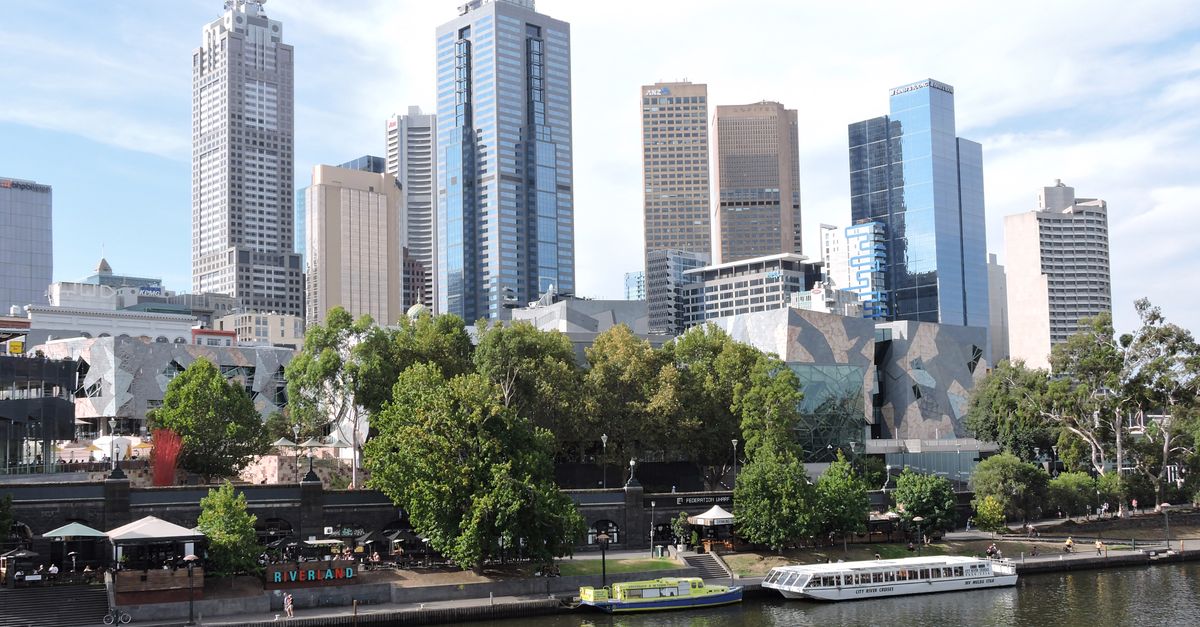
The smell of roasted coffee beans hits you long before you see the first café in Melbourne. I have spent years pacing the grids of this city, and while the trams are iconic, the real stories live in the narrow lanes and the coastal fringes where the pavement meets the salt air. To understand this place, you have to move through it at a human pace.