I stepped out of my guesthouse at the crack of dawn, the cool desert air brushing against my face as the first light painted the limestone walls of Al Warak. The city was just beginning to stir, and with a pair of sturdy sneakers and a curiosity for the everyday, I felt ready to let the streets tell their story. Why Al Warak is Best Explored on Foot # Al Warak may not dominate travel headlines, but its modest size and compact historic core make it a perfect city for strolling. Unlike larger metropolises where traffic can dominate the experience, Al Warak’s main arteries are lined with low‑rise buildings, modest markets, and a series of small squares that reveal layers of Egyptian life from the Ottoman era to the present day. Walking lets you pause at a street‑side tea stall, listen to the call to prayer echo from a nearby mosque, and watch locals negotiate over fresh produce without missing a beat.
Al Azbakeya, a historic neighborhood in Cairo, is a labyrinth of narrow alleys, busy markets, and ancient architecture. The best way to experience its charm is on foot, where you can wander at your own pace and discover hidden corners that guidebooks might miss. Whether you’re a history buff, a foodie, or just someone who loves to explore, Al Azbakeya offers a unique walking experience that you won’t find anywhere else. Why Al Azbakeya is Best Explored on Foot # Al Azbakeya is a neighborhood that thrives on its walkability. The narrow streets and dense population make it impossible to drive through, and the lack of sidewalks means you’re constantly navigating the bustle of the city. Walking is the only way to truly appreciate the neighborhood’s character, from the lively street art to the scent of spices in the air.
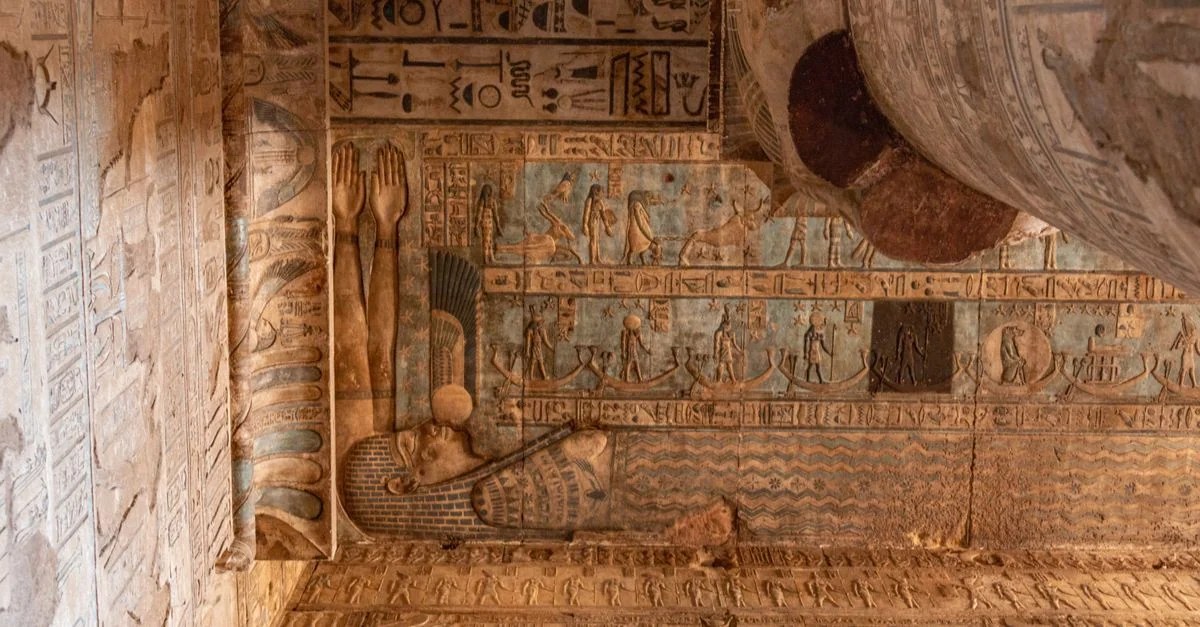
Imagine standing in the shadow of colossal statues, their faces weathered by time yet still commanding your attention. This is the magic of Abu Simbel, a UNESCO World Heritage site that feels like stepping into a scene from an ancient epic. While many visitors arrive by car or bus, there’s a certain charm in exploring this marvel on foot. The winding paths, the intricate carvings, and the sheer scale of the temples invite you to slow down and appreciate the details. Let’s walk through why Abu Simbel is best explored on foot, the top walking tours available, and how to make the most of your visit. Why Abu Simbel is Best Explored on Foot # Abu Simbel’s grandeur is best appreciated from the ground up. The temples are vast, with towering pillars and intricate reliefs that stretch over acres. Walking allows you to truly absorb the scale of the architecture and the craftsmanship that went into every detail. You’ll notice the subtle changes in the stonework, the way the light hits the carvings at different times of day, and the stories etched into the walls. Plus, walking gives you the flexibility to pause and linger over the most fascinating scenes. It’s not just about seeing the temples; it’s about experiencing them.
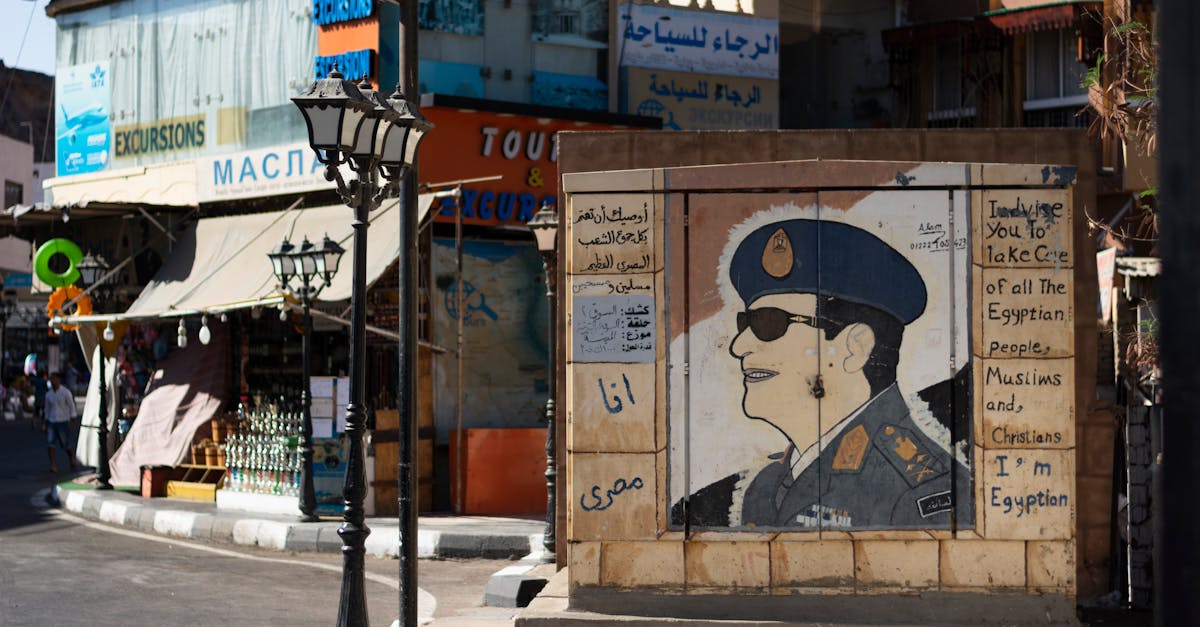
Sharm El Sheikh, a coastal gem on the Sinai Peninsula, is a city that beckons adventurers and culture seekers alike. With its stunning beaches, lively nightlife, and long history, it’s no wonder that walking tours are the best way to experience this city. Let’s lace up those comfortable shoes and hit the streets. Why Sharm El Sheikh is Best Explored on Foot # Sharm El Sheikh is a city that thrives on its unique blend of modern amenities and ancient traditions. The best way to appreciate this harmony is by walking. The city’s layout is pedestrian-friendly, with many attractions within easy walking distance. From the busy SOHO Square to the serene Naama Bay, each step reveals a new facet of Sharm El Sheikh’s character.
My shins still remember the exact concrete rhythm of pounding the pavement across Egypt’s Red Sea coast. When most travelers picture this stretch of coastline, they imagine lounging by resort pools or strapping on a snorkel. But as someone who earns a living walking cities from end to end, I know that hitting the pavement offers a completely different perspective. Exploring on foot reveals the raw texture of daily life away from the hotel strips, even when your route involves connecting to deeper historical excursions starting right from the city limits. Why Hurghada is Best Explored on Foot # Walking allows you to catch the scent of roasting street corn, hear the calls to prayer bouncing between concrete walls, and notice the intricate details of local storefronts that speed by in a taxi. When you traverse the streets at human speed, you engage directly with the terrain.
Photo by Masood Aslami on Pexels
Why Marsa Alam is Best Explored on Foot # Photo by Eslam Mohammed Abdelmaksoud on Pexels
Marsa Alam, with its stunning coastal views and deep history, is a city that invites exploration. Walking through its streets allows you to connect with the local atmosphere, discover unique spots, and appreciate the beauty of the surrounding nature. The pace of walking gives you the time to notice details that might be missed when traveling by car or bus. From the lively markets to the serene beaches, every corner of Marsa Alam has a story to tell.
Photo by Vitali Adutskevich on Pexels
Exploring Abdeen, Egypt, on foot allows you to immerse yourself in the vibrant culture, rich history, and stunning architecture that this city has to offer. With 33 walking tours available, including a variety of audio guides, you can tailor your experience to your interests and budget. Whether you’re a history buff, a foodie, or simply seeking adventure, Abdeen has something for everyone.
Photo by 2H Media on Unsplash
Exploring Qasr El Nil on foot is not just a journey; it’s an experience that immerses you in the rich history and vibrant culture of Egypt. This area, located in the heart of Cairo, offers a unique blend of ancient wonders and modern life, making it an ideal destination for walking tours. From the iconic Giza Pyramids to the enchanting Nile River, there’s so much to see and do. Let’s dive into why Qasr El Nil is best explored on foot and discover the various walking tours that await you.
Photo by 2H Media on Unsplash
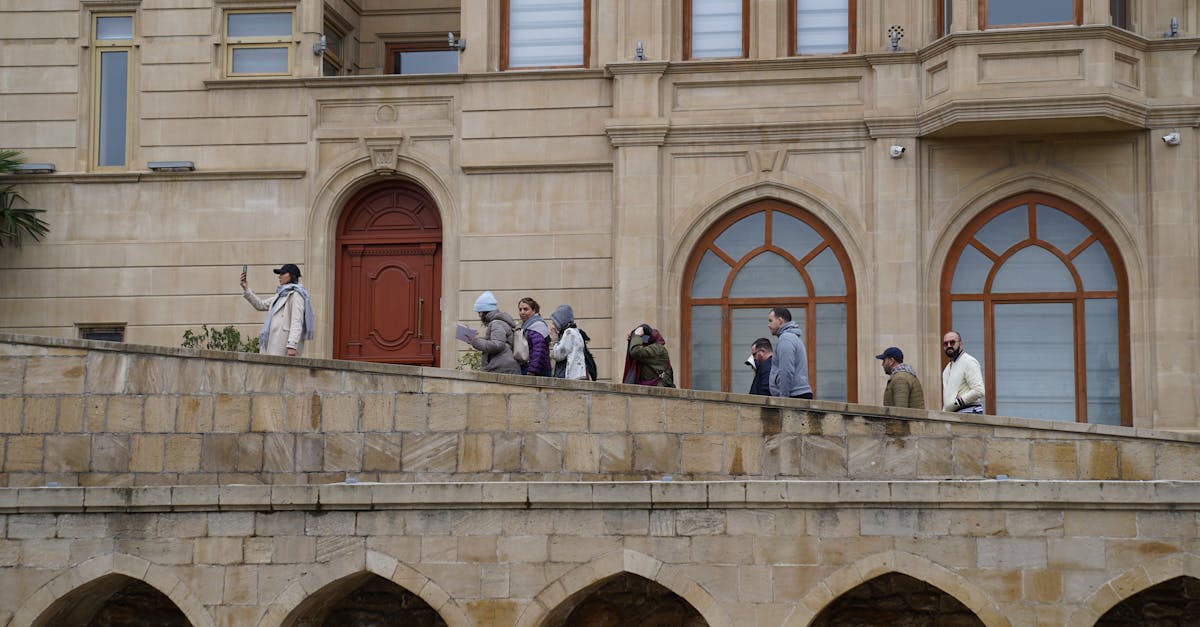
Exploring Bulaq, Egypt, is an experience that transcends mere sightseeing; it’s about immersing yourself in the rich tapestry of history, culture, and vibrant community life. Nestled along the banks of the Nile, Bulaq is a district that offers a unique blend of ancient heritage and modern vibrancy. The best way to truly appreciate this fascinating area is on foot, allowing you to engage with the sights, sounds, and flavors at your own pace.
Photo by Tahir Xəlfə on Pexels
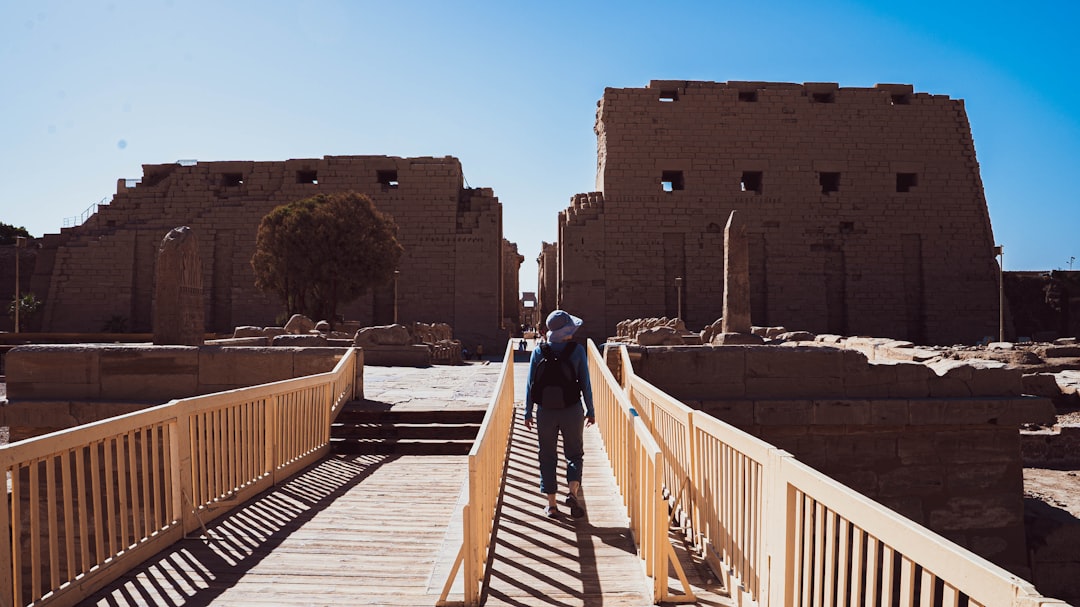
Luxor, often referred to as the world’s greatest open-air museum, is a treasure trove of ancient history and culture waiting to be explored. From the majestic temples to the serene banks of the Nile, there’s no better way to absorb the rich heritage of this city than on foot. Walking tours allow you to immerse yourself in the sights, sounds, and stories of Luxor, making every step a journey through time.