My shoe leather has taken a beating across hundreds of European cities, but few places demand a boots-on-the-ground approach quite like MT. When you step onto the ancient stone of this southern Italian destination, the scale of the landscape hits you instantly. Vehicles can only take you so far before the topography turns into a maze of staircases, ancient cave dwellings, and sheer rock faces. Walking here is the only way to genuinely understand how generations carved a civilization directly out of the limestone cliffs. Why MT is Best Explored on Foot # Vehicular traffic in MT is severely restricted in the historic districts, and for good reason. The ancient neighborhoods consist of steep, winding alleys that twist between rooftops and subterranean thresholds. If you rely on a car, you miss the abrupt transitions from a sun-baked plaza to a cool, dark cave church. Walking lets you pause to examine the intricate drainage systems, the rough texture of tufa stone walls, and the sudden, breathtaking overlooks of the ravine below. You notice the way sound echoes differently in the stone canyons, and you can slip down narrow staircases that modern transport simply cannot reach.

The salt air hits you the moment you step off the ship in Marina di Carrara, a reminder that you are standing at the intersection of rugged marble mountains and the Tyrrhenian Sea. I have spent years wandering through Italian ports, and there is a specific rhythm to the way this region moves. You do not see the true character of this area from the window of a bus or the seat of a taxi; you see it by moving through the narrow streets and coastal paths at your own pace. Walking allows you to notice the way the light hits the white stone of the nearby quarries or how the local cafes shift their focus from morning espresso to afternoon aperitivo. Why MS is Best Explored on Foot # When you arrive in MS, the scale of the landscape can be deceptive. The proximity of the mountains to the sea creates a unique microclimate that is best appreciated when you are physically moving through the terrain. Walking allows you to bypass the traffic that often clogs the main coastal arteries. By keeping your pace steady, you can transition from the industrial history of the port to the quiet, ancient pathways that define this part of Italy .

My shoe soles have ground down on asphalt and cobblestone across the globe, and few cities reward pedestrian pacing quite like TO. When you navigate the grid of grand piazzas and sprawling royal avenues on foot, you notice the architectural rhythms that speeding vehicles and windowless metro cars miss entirely. You hear the chime of historic tram bells bouncing off baroque facades and catch the scent of roasted hazelnuts and bitter espresso drifting from neighborhood cafes. Walking is the only way to genuinely understand the scale of this northern Italian urban center, where every intersection opens up to distant views of alpine peaks framing the streetscapes. Why TO is Best Explored on Foot # The layout of TO was designed for people rather than cars, thanks to its Roman grid system overlaid with sweeping seventeenth-century royal expansions. Long, uniform arcades line the main thoroughfares, offering natural shelter from sudden rainstorms and punishing midday sun while you stroll from one historic square to the next. Because the historic core is remarkably compact, you can transition from royal palaces to local food markets in under twenty minutes of steady walking.

The smell of espresso hits you before you even reach the main squares of PD, a city where the medieval stone walls seem to hold onto the echoes of centuries past. When I arrive in a new city, I rarely reach for a map immediately. Instead, I find a central point, lace up my boots, and start moving. PD is a place that rewards those who take the time to navigate its narrow alleys and wide, open piazzas on their own terms. While the city is compact, the density of history packed into its streets means that every turn offers a new perspective on Italian life. Why PD is Best Explored on Foot # Walking is the only way to truly understand the rhythm of PD. When you are inside a vehicle, you miss the subtle shifts in architecture—the way a Gothic arch gives way to a Renaissance facade—and the quiet interactions between locals at the market stalls. The streets here were designed long before the internal combustion engine, meaning they are often narrow, winding, and perfectly suited for pedestrians.

My boots have logged thousands of miles across European pavement, and every time I arrive in a new destination, I reach for my laces before my transit map. Walking forces you to slow down, catch the scent of roasting garlic drifting from a residential alleyway, and notice the uneven cobblestones that tell the real story of a place. SI is no exception. This city demands to be felt through the soles of your shoes, with every turn revealing architectural shifts and neighborhood rhythms that bypass the tour bus windows entirely. Why SI is Best Explored on Foot # Vehicles simply cannot reach the narrow stairwells, arched stone thresholds, and medieval corridors that form the skeleton of SI. When you walk, you control the pace. You can pause to watch an elderly resident sweep their stone doorstep or slip into a tiny bakery because the smell of fresh bread demands your attention. Motorized transport turns a city into a series of disconnected landmarks, but walking stitches them together into a continuous, living narrative.
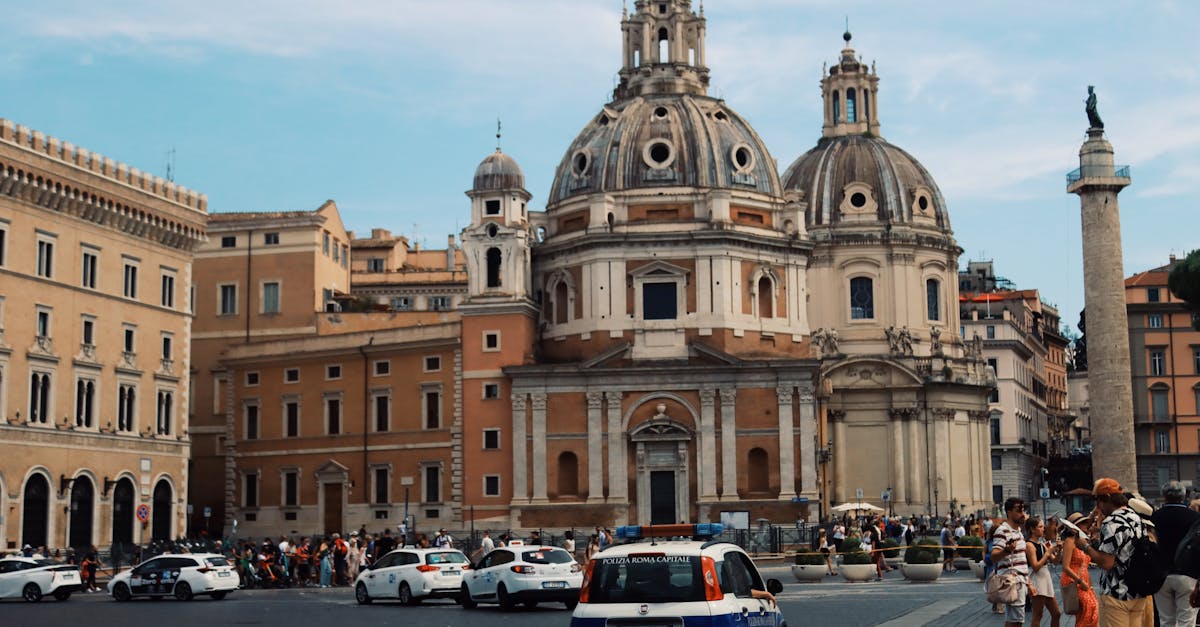
Photo by Efrem Efre on Pexels Exploring Rome on foot is an experience that transcends mere sightseeing. The cobblestone streets, historic architecture, and lively piazzas invite you to wander and discover the essence of the city. With every turn, there’s a story waiting to be told, making walking the best way to truly appreciate the long history of this ancient metropolis.
Why Rome is Best Explored on Foot # Walking through Rome allows you to engage with the city in a way that other modes of transport simply cannot provide. Each neighborhood has its own character, and strolling allows you to soak up the atmosphere, sample local cuisine, and interact with residents. From the iconic Colosseum to the charming Trastevere district, the sights are often best enjoyed at a leisurely pace. Plus, many of the city’s attractions are within walking distance of each other, making it easy to navigate without the hassle of public transport.
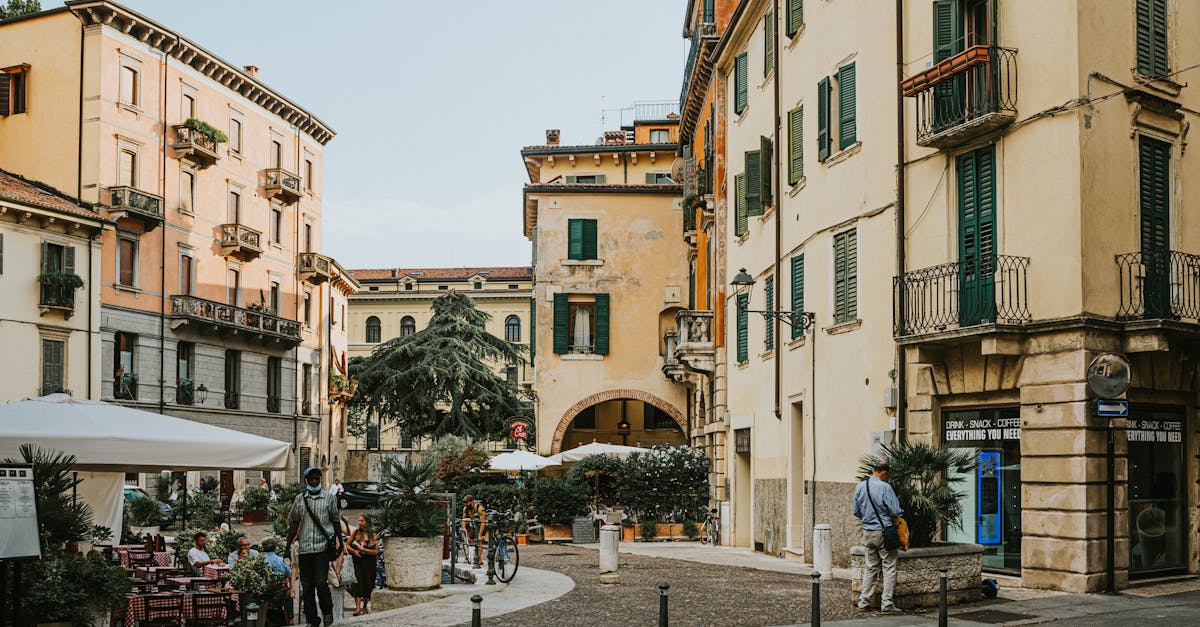
Photo by Helena Jankovičová Kováčová on Pexels Exploring Venice on foot reveals layers of history and culture that are often missed when traveling by other means. The winding canals, narrow alleys, and magnificent architecture create a unique atmosphere that is best appreciated at a leisurely pace. Whether you’re a first-time visitor or returning to soak up the city’s charm, walking tours provide an excellent way to connect with the essence of Venice.
Why Naples is Best Explored on Foot # Naples is a city that tells its story through its streets. The long history, stunning architecture, and lively atmosphere create an experience that is best appreciated at a leisurely pace. Walking through Naples allows you to discover its intricate details, from the ornate facades of historic buildings to the aroma of freshly baked pizza wafting through the air. The city’s compact layout makes it ideal for exploring on foot, providing the opportunity to stumble upon local markets, charming cafes, and picturesque piazzas.
Photo by Newman Photographs on Pexels Rome , or RM as it’s known, is a city that tells its history through the cobblestone streets and ancient ruins. As I strolled through its layers of culture, I realized that the best way to experience RM is on foot. Walking allows you to absorb the ambiance of this historic city, discover its secrets, and connect with its essence in a way that no vehicle could offer.