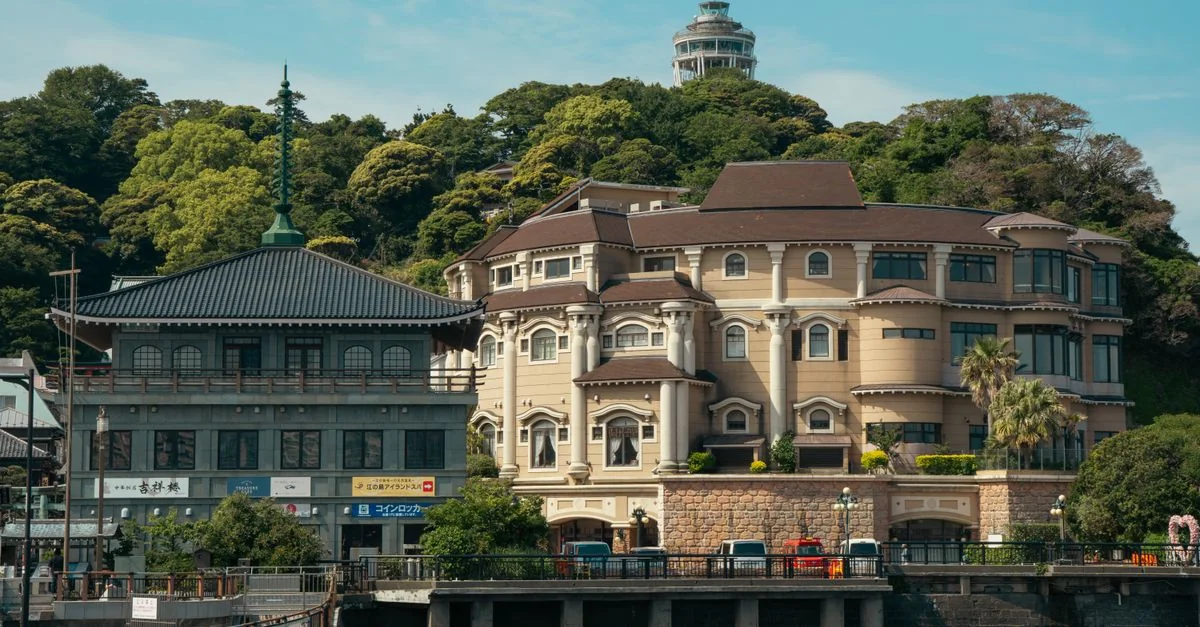
My boots have logged thousands of miles across asphalt, cobblestone, and temple stone paths, and few regions reward a walker quite like Kanagawa . When you travel on foot here, you catch the scent of salt carried off Sagami Bay mingling with the incense drifting from ancient gates. You hear the sharp crunch of gravel under your soles in temple courtyards and feel the steady incline of samurai-built stone walls. Riding the train gets you from station to station, but walking lets you notice the subtle shifts in neighborhood architecture, the small family-run tea shops tucked down residential alleys, and the way the mountain mist rolls down toward the coast. Why Kanagawa is Best Explored on Foot # The prefecture stretches from the sprawling port of Yokohama down to the rugged shores of Kamakura and the strategic passes of Odawara. If you stay inside a vehicle, you miss the cadence of the place. Walking allows you to match your pace to the terrain, whether you are climbing the defensive earthworks of a feudal fortress or navigating the shaded bamboo groves of a coastal valley. My feet have taken me down countless streets across Japan , and Kanagawa stands out because its history is laid out right at street level. You can trace the footsteps of Sengoku-era warlords and medieval shoguns simply by following the footpaths they engineered centuries ago.
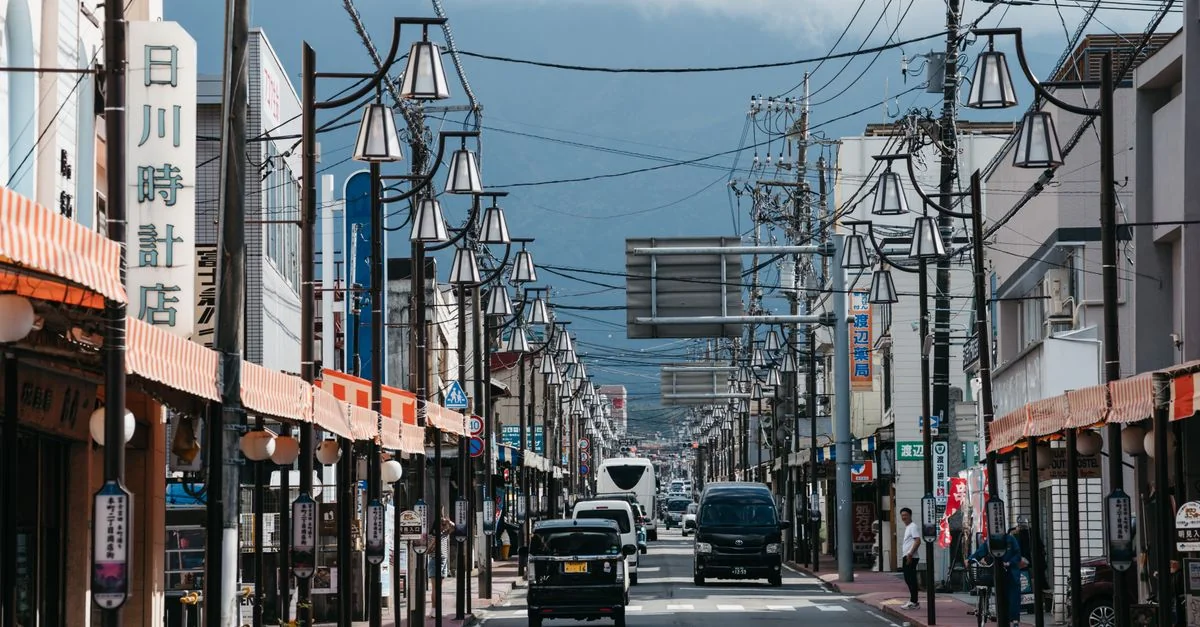
I stood at the edge of the Miyagawa River in Takayama, watching the morning mist cling to the dark wooden eaves of the old merchant houses. Most travelers zip through Gifu Prefecture on the Shinkansen, catching only a blur of mountains and rice paddies. But when you walk these streets, the rhythm of the region changes. You notice the way the light hits the Edo-period latticework and how the scent of cedar and sake barrels defines the narrow alleys. Walking is not just a way to get from one point to another here; it is the only way to peel back the layers of a region that prioritizes craft, tradition, and quiet hospitality. Why Gifu is Best Explored on Foot # Gifu Prefecture is defined by its geography. The Hida Mountains create a natural barrier that has historically kept these towns isolated, allowing unique architectural styles and culinary traditions to survive. When you are behind the wheel of a car, you miss the subtle details: the small stone shrines tucked between modern storefronts, the sound of water flowing through irrigation channels, and the specific texture of the local stone paving.
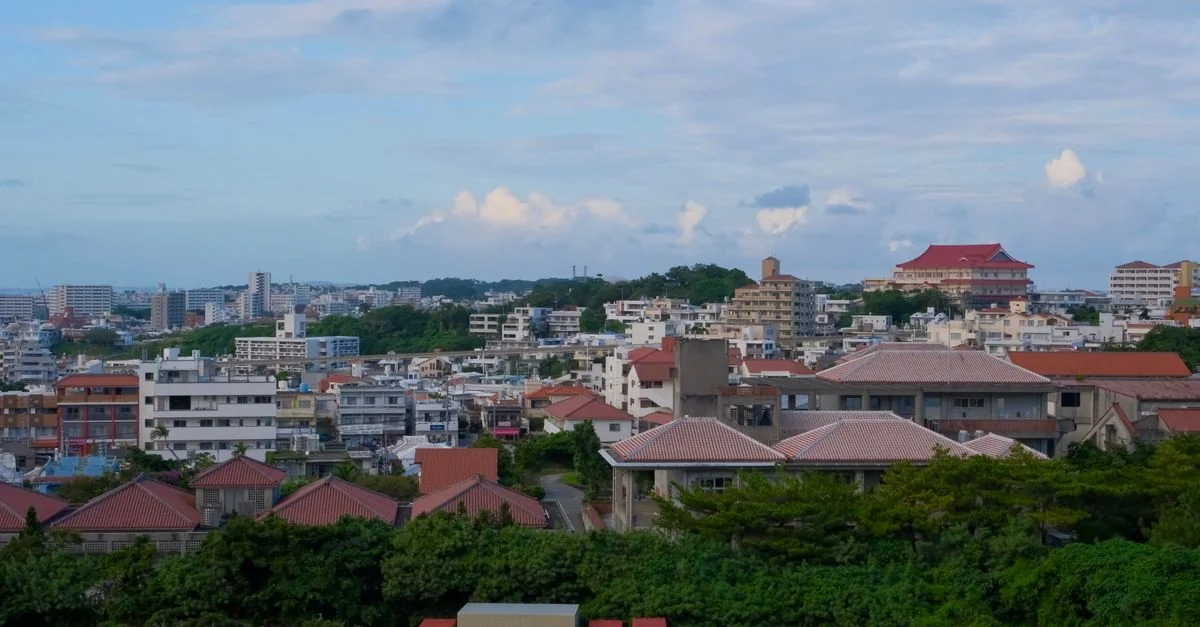
My boots hit the asphalt early, tracking the salt spray drifting off the East China Sea and settling on the low concrete walls of Naha. When I travel, I rarely rely on public transit or taxis to figure out a destination’s rhythm. I walk. On an island shaped by complex history, maritime trade, and distinct local foodways, traversing the streets on foot reveals the layers that drive past in a blur. From airport terminals to neighborhood watering holes, pounding the pavement remains the only way to genuinely understand how this prefecture functions outside the resort compounds. Why Okinawa is Best Explored on Foot # Streets here demand a slow pace. While the main highways carry speeding traffic between tourist hubs, the pedestrian corridors, narrow market alleys, and residential lanes tell the real story. Walking allows you to notice the architectural shifts—from post-war concrete dwellings to traditional tile-roofed homes guarded by shisa lion statues warding off misfortune. You catch the aroma of simmering pork broth long before you spot the open-air kitchen, and you notice the elderly residents chatting on low stools outside local shops.
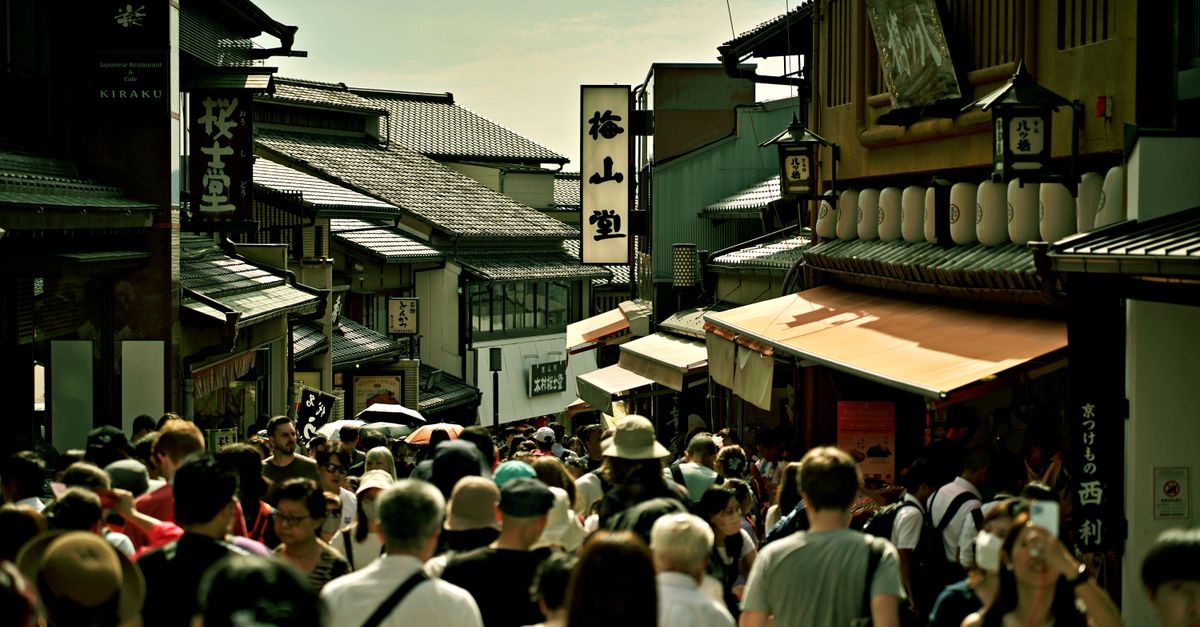
I remember the first time I followed the narrow alleys of Gion at sunrise, the wooden machiya houses casting long shadows on the stone pavement. The city’s quiet rhythm pulled me forward, and every turn revealed a new story waiting to be heard. If you love discovering a place on foot, Kyoto offers just the right mix of history, flavor, and surprise to keep your feet moving and your mind engaged.
Photo by Huu Huynh on Pexels Exploring Aichi on foot offers an unparalleled opportunity to connect with its long history. From ancient castles to the birthplace of Japan ’s renowned shogun, each step reveals a story waiting to be told. Walking through the streets of Aichi, you’ll not only see the sights but also feel the pulse of this fascinating region.
Why Aichi is Best Explored on Foot # Aichi is home to a variety of historical sites and scenic landscapes, making it ideal for walking tours. The architecture, parks, and local marketplaces are best appreciated at a leisurely pace. Walking allows you to interact with locals, taste street food, and discover unique shops that you might miss when traveling by vehicle. Plus, navigating on foot gives you the flexibility to stop and explore at your own pace.
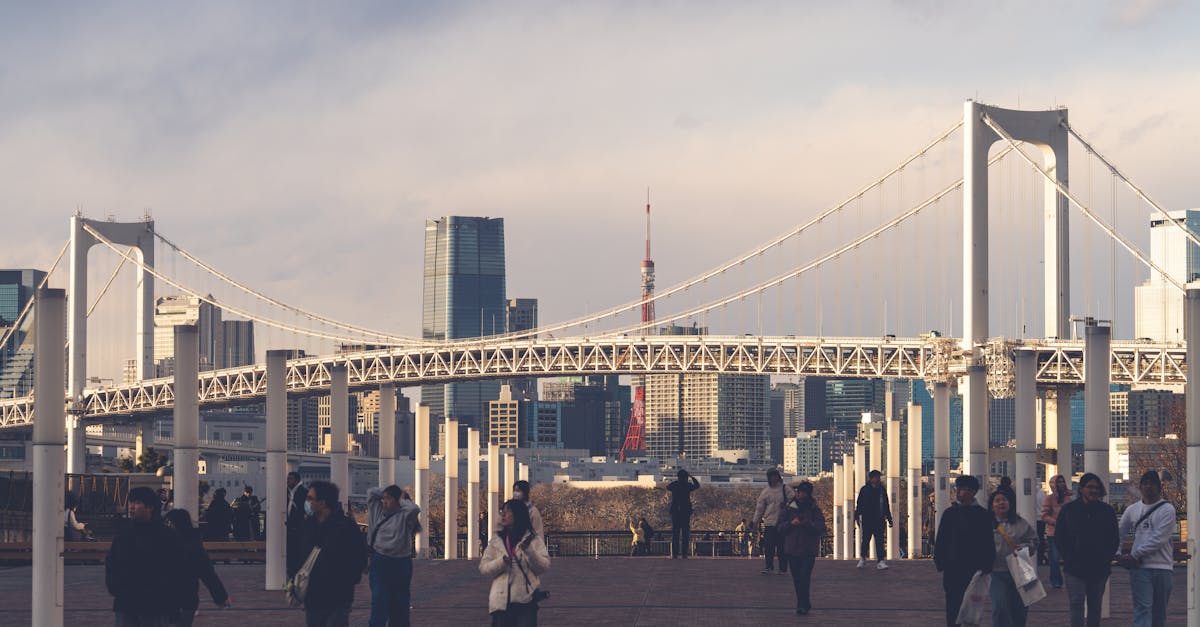
Photo by Saya Azeem on Pexels Tokyo is a city that thrives on the energy of its streets, where ancient traditions meet cutting-edge modernity. Walking through its neighborhoods allows you to absorb the unique atmosphere, encounter unexpected sights, and taste local flavors. Whether you’re a first-time visitor or a seasoned traveler, exploring Tokyo on foot offers an intimate look at its diverse culture and history.
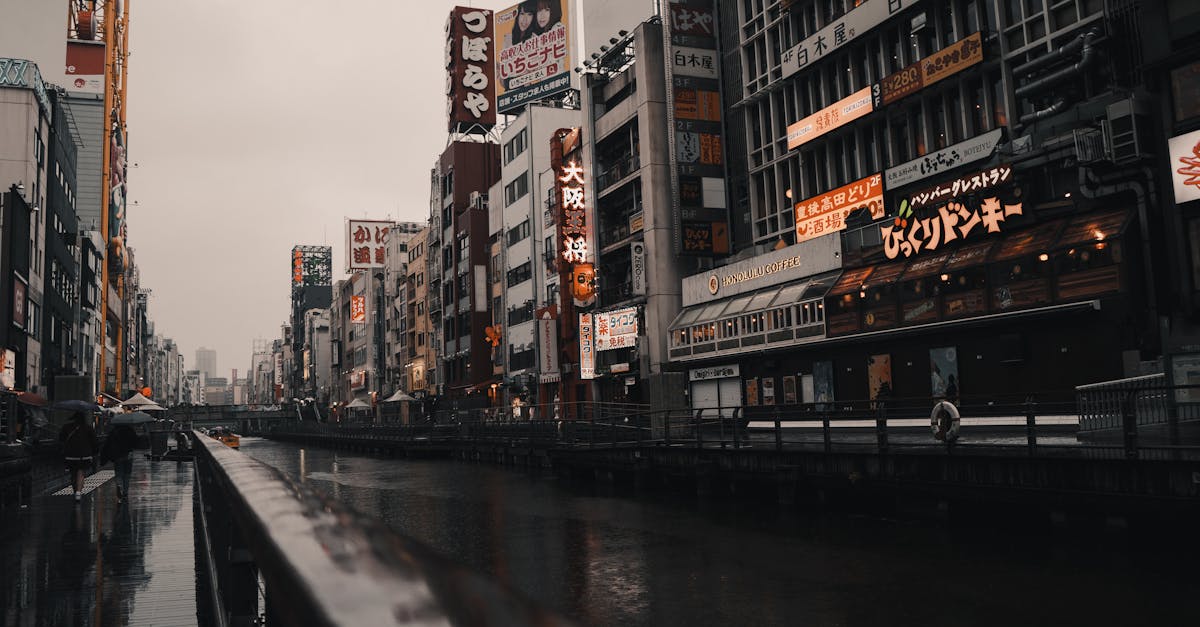
Photo by Mathew Liang on Pexels Why Osaka is Best Explored on Foot # Photo by Thành Văn Đình on Pexels Osaka is a city that thrives on its long history, unique culture, and delectable cuisine. While public transport is efficient, there’s something special about exploring on foot. Walking allows you to experience the city’s nuances, from the intricate architecture of its temples to the lively atmosphere of its streets. You can pause to enjoy street food or take a moment to appreciate a local artist’s work. It’s this intimacy with the surroundings that makes walking the best way to truly understand and appreciate Osaka.