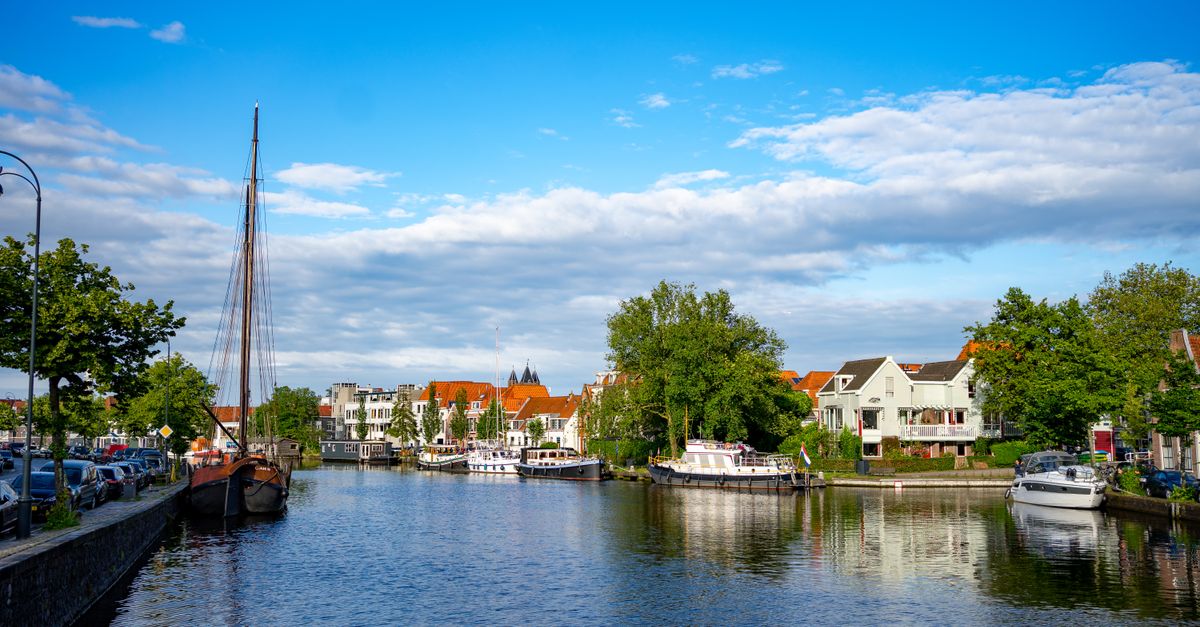
The cobblestone streets of ’s-Hertogenbosch whisper stories of medieval charm and Renaissance elegance. As a travel blogger who walks cities for a living, I’ve discovered that this Dutch gem is best experienced from the ground up. The city’s compact size and long history make it perfect for a walking tour, and the e-Scavenger hunt Den Bosch offers the perfect way to explore at your own pace. Let’s step into the shoes of a local and uncover the city’s secrets. Why ’s-Hertogenbosch is Best Explored on Foot # ’s-Hertogenbosch is a city that breathes history. Its medieval core is a UNESCO World Heritage site, and the city’s layout is designed for walking. The narrow streets, charming squares, and historic buildings create a perfect backdrop for a stroll. The city’s compact size means you can cover a lot of ground in a short time, and the e-Scavenger hunt Den Bosch allows you to explore at your own pace. Whether you’re a history buff, an architecture enthusiast, or just someone who loves a good walk, ’s-Hertogenbosch is a city that rewards those who explore on foot.
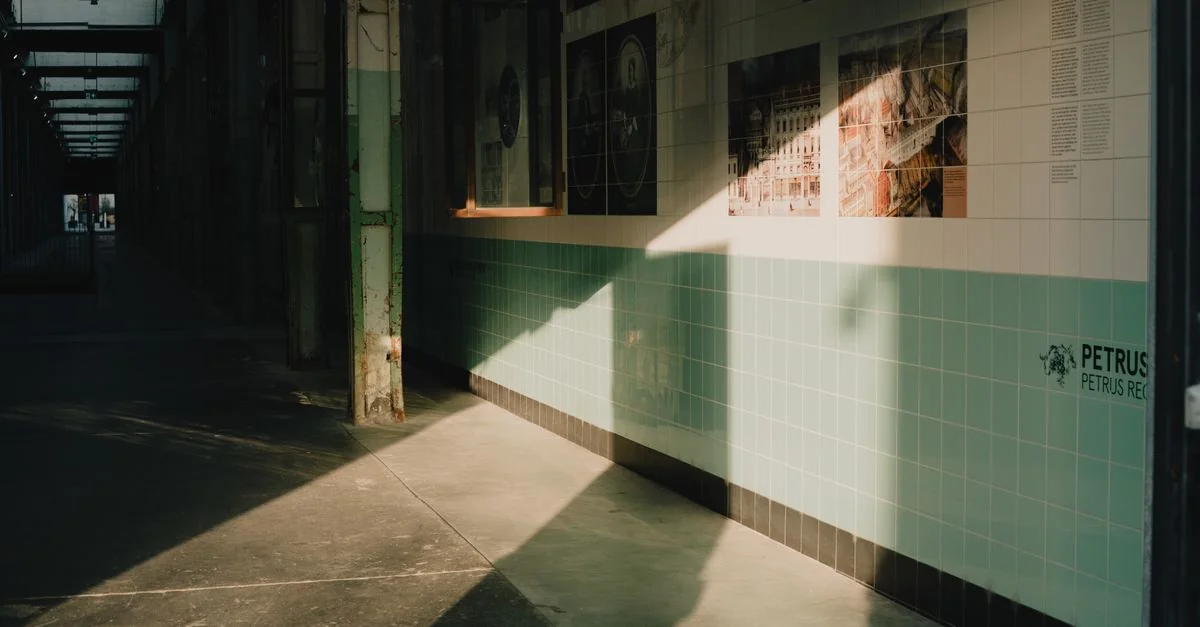
My boots hit the worn cobblestones near the Maas River just as the morning mist began to lift off the water, revealing centuries of red-brick facades and limestone walls. Walking is the only way to truly understand a historic European city like this one. You miss the architectural details, the scent of fresh stroopwafels drifting from corner bakeries, and the sudden quiet of medieval courtyards when you look at a city through a bus window. I spend my life walking urban grids, and this Dutch southern outpost rewards slow, deliberate pacing more than almost anywhere else in the region. Why Maastricht is Best Explored on Foot # Streets here curve organically around Roman foundations and medieval fortifications rather than following a sterile grid. Vehicles cannot fit down many of the narrow alleys connecting the main squares, leaving the pedestrian absolute freedom to wander past Romanesque churches and Gothic townhouses. When you walk, you notice the subtle shifts in neighborhood architecture, moving from the medieval core outward into 19th-century expansion zones.

My sneakers hit the pavement of Lisse just as the morning mist began to lift off the surrounding fields, revealing the flat, orderly geography that defines this corner of the Netherlands . When you travel as much as I do, you quickly learn that some destinations demand a vehicle, while others—like Lisse—reveal their true character only when you commit to pounding the pavement yourself. I spent days mapping out every walkable inch here, logging miles on my pedometer to figure out how to experience the local landscape without missing a beat. Why Lisse is Best Explored on Foot # The scale of Lisse makes it an absolute dream for pedestrians. Unlike sprawling European capitals where you spend half your day underground on a metro, Lisse invites you to slow your pace. Walking allows you to notice the subtle details: the architecture of the local brick houses, the scent of earth and blooms carried on the sea breeze, and the sudden openings in the landscape that reveal endless agricultural rows.

My sneakers hit the red-brick paving stones of the Grote Markt just as the morning delivery vans cleared out, leaving the square quiet enough to hear the bicycle chains clicking in the distance. As someone who logs thousands of miles on foot across Europe ’s urban grids for a living, I can tell you immediately that Groningen is a walker’s absolute dream. The city center is compact, aggressively pedestrian-friendly, and smells faintly of roasted coffee beans drifting from sidewalk windows and wet autumn leaves lining the canals. You do not need a transit pass here; you just need a sturdy pair of shoes and an appetite for wandering. Why Groningen is Best Explored on Foot # When you ride a bicycle in the Netherlands , you have to move with the terrifying efficiency of a commuter. When you take the bus, you miss the architectural details hidden above the storefronts—the crooked gable stones, the 17th-century brickwork settling into the marshy northern soil, and the narrow alleyways that lead to quiet interior courtyards. Walking lets you set your own cadence.
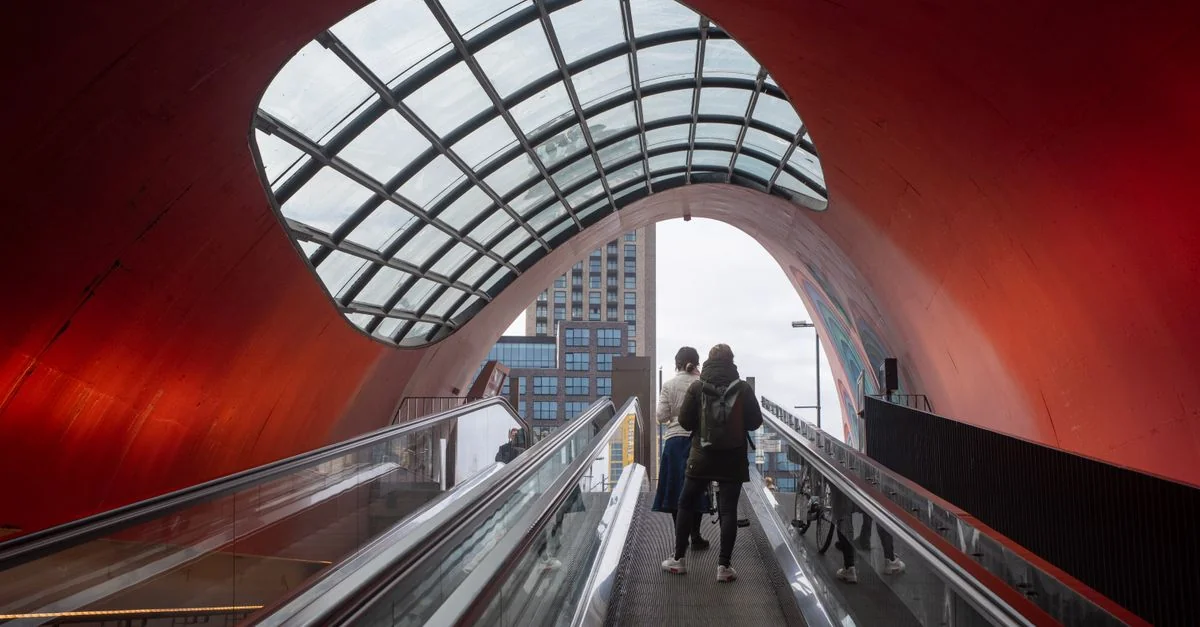
My sneakers hit the pavement of Catharinaplein at six in the morning, long before the industrial design hub wakes up and the coffee shops flip their signs to open. I walked twelve miles across Eindhoven yesterday, tracing the concrete arteries connecting the old brick factories to the cutting-edge tech labs. Cities built on industry—ones that transitioned from Philips light bulb workshops to modern innovation campuses—offer a very specific texture to pedestrians. You notice the shift in architecture, the sudden patches of green between brutalist structures, and the way the city scales down to human proportions the moment you step off the main traffic routes. Why Eindhoven is Best Explored on Foot # When you rely on cars or buses here, you miss the micro-details: the street art tucked down narrow alleys, the distinct hum of transformer boxes painted by local designers, and the subtle scent of roasted coffee beans drifting from converted warehouses. Walking allows you to engage with the city’s rhythm. You can stop dead in your tracks when a strange metal sculpture catches your eye, or alter your trajectory to follow a quiet canal lined with weeping willows.

My boots hit the cobblestones near the Grote Kerk, and the sound echoed against the brick facades that define the historic center of Breda . I have spent years walking through European cities, and there is a specific rhythm to this Dutch town that only reveals itself when you move at a pedestrian pace. Unlike the frantic energy of larger transit hubs, Breda invites you to slow down, look up at the intricate gables, and follow the narrow alleys that connect the main squares. Walking here isn’t just a way to get from one point to another; it is the only way to understand the scale of the city’s history. Why Breda is Best Explored on Foot # Breda is built on a human scale. When you rely on a bicycle or a bus, you miss the subtle shifts in architecture and the small, quiet courtyards that define the city’s character. I find that when I walk, I notice the way the light hits the brickwork in the late afternoon or the specific scent of the water near the harbor. The city center is compact, meaning you can traverse the core in a single morning without feeling rushed.

I found myself standing before the Koppelpoort, the medieval gatehouse that marks the entrance to the old center of Amersfoort, watching the water ripple against the ancient brickwork. There is a specific rhythm to this city that you simply miss if you are behind the wheel of a car or sitting on a bus. Amersfoort, located in the heart of the Netherlands , is defined by its preserved medieval layout, its canals, and the way the modern city seems to wrap itself around a core that has remained largely unchanged for centuries. When you walk these streets, you aren’t just moving from point A to point B; you are navigating a timeline of Dutch history. Why Amersfoort is Best Explored on Foot # The primary reason to traverse Amersfoort by foot is the scale of its historic center. The city was designed long before the internal combustion engine, meaning the streets are narrow, winding, and frequently pedestrian-only. If you try to navigate the center by vehicle, you will spend your time searching for parking rather than looking at the architecture.
I stepped off the train at Haarlem station and immediately felt the shift in pace from nearby Amsterdam . The architecture here tells a quieter story, one of medieval gables, narrow alleys, and the kind of cobblestone streets that beg for a slow, intentional walk. When you choose to traverse a city on foot, you notice the way the light hits the brickwork of the Grote Markt or the specific sound of bicycle bells echoing against the canal walls. Haarlem is compact enough that you do not need a map to find the center, but you do need a bit of curiosity to find the details that make the city stand out.