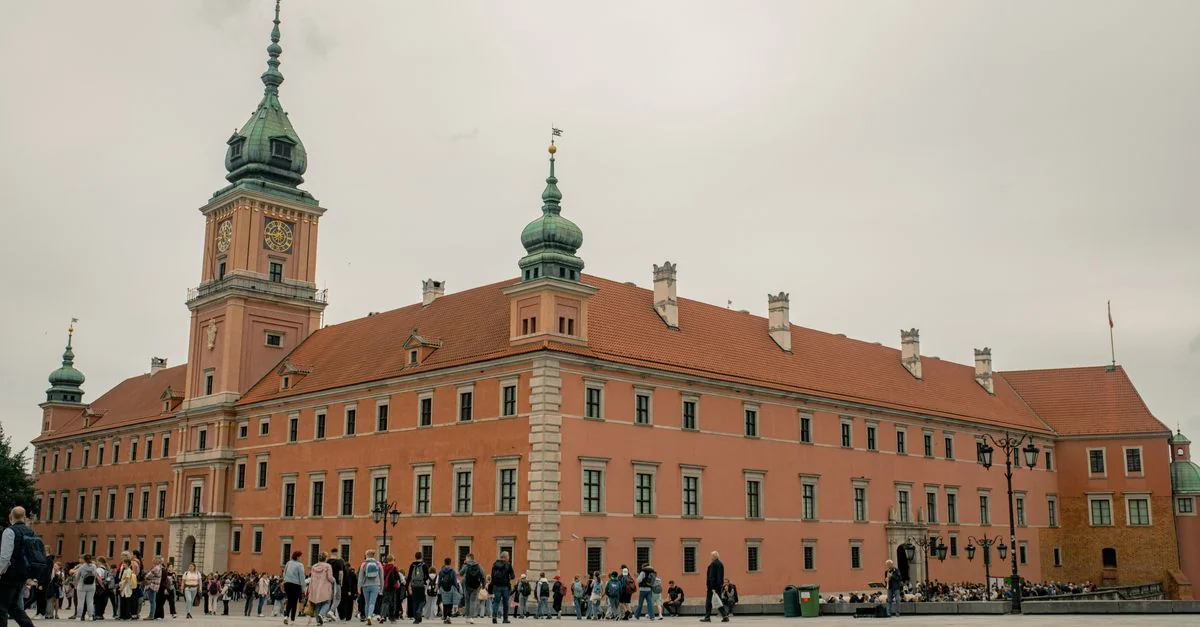
The smell of damp concrete and pine needles hangs heavy in the air near the Gierłoż forest, a stark contrast to the modern, glass-fronted skyline of Poland ’s capital. I have spent years pacing the pavement of European cities, but few places demand a steady stride and a reflective mind quite like Warsaw . When you walk here, you are not just moving from point A to point B; you are navigating layers of reconstruction, resilience, and memory. There is a specific rhythm to the city—the sound of tram bells, the quiet reverence in the parks, and the deliberate pace of locals who know that Warsaw’s story is best understood by keeping your boots on the ground. Why Warsaw is Best Explored on Foot # Warsaw is a city that rewards the slow traveler. While the public transit system is efficient, it often bypasses the subtle architectural shifts that define the city’s character. When you walk, you notice the bullet holes still visible on the facades of pre-war buildings in Praga, or the way the light hits the reconstructed gables of the Old Town. Walking allows you to bridge the gap between the polished, restored monuments and the raw, historical reality that lies just beyond the main squares.
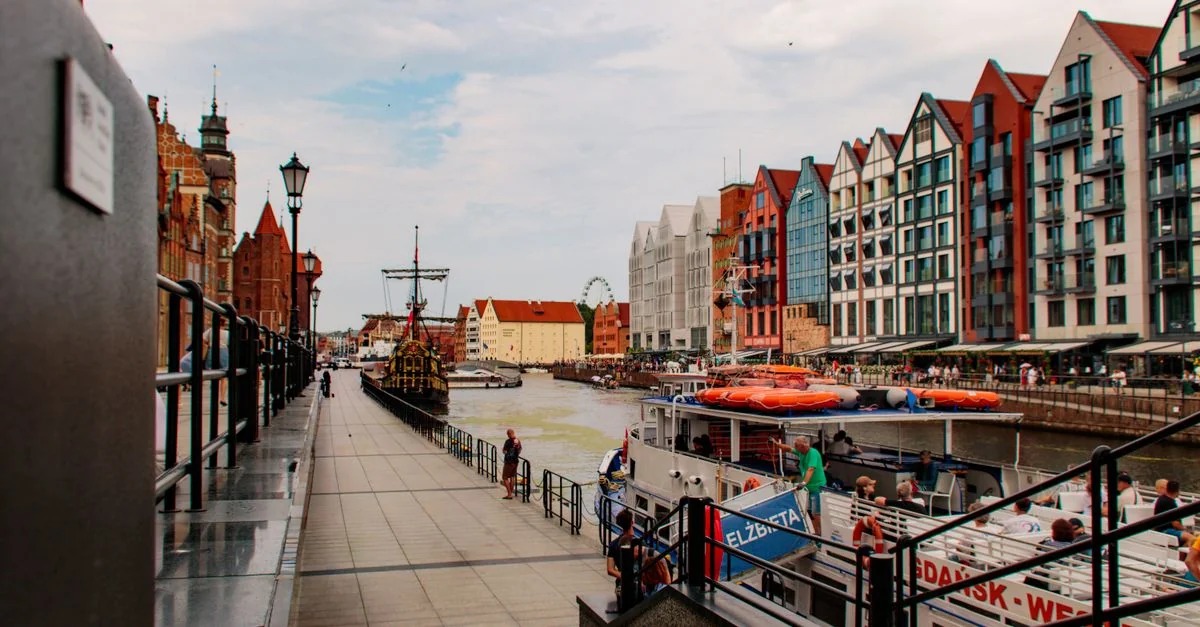
I spent the better part of a week navigating the streets of Powiat Gdańsk , moving from the historical corridors to the open-air squares. There is a specific rhythm to this region that you only catch when your boots are hitting the pavement. While many visitors rely on public transit or private cars, I found that the most meaningful interactions with the architecture and the local atmosphere happened when I slowed my pace to a walking speed. Why Powiat Gdańsk is Best Explored on Foot # The layout of Powiat Gdańsk rewards the observant traveler. Because the area is dense with history and narrow passages, driving often means missing the small details—the ironwork on a doorway, the specific texture of the brickwork, or the quiet side streets where the local life actually happens. When you walk, you have the freedom to stop whenever a building catches your eye or a local cafe smells particularly good.
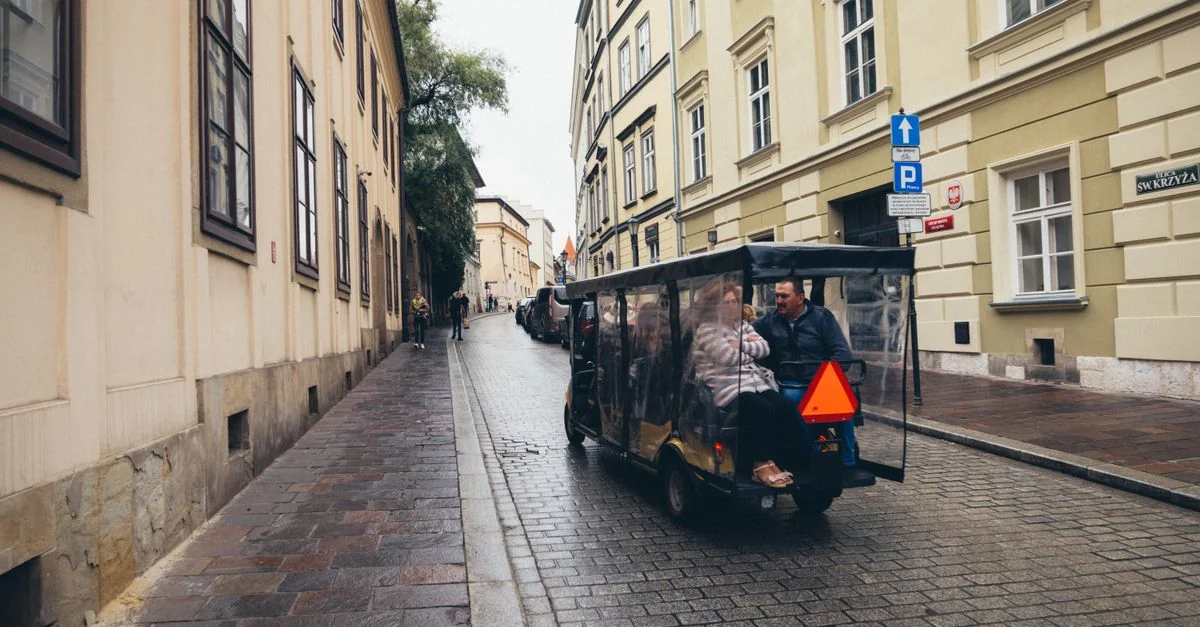
My boots hit the cobblestones of the Main Market Square just as the morning mist started lifting off the Renaissance cloth hall, and I knew instantly that this was a city meant for pavement pounders. When you travel for a living like I do, you quickly learn which cities demand cars and which cities reward the ache in your calves. Krakow falls squarely into the latter category. Every alleyway in the historic core whispers centuries of trade, royalty, and resilience. Why Krakow is Best Explored on Foot # Vehicular traffic in the historical center is heavily restricted, which means your own two feet remain your greatest asset. Walking allows you to slip down narrow medieval lanes that buses simply cannot reach. You notice the intricate stonework on tenement facades, the scent of fresh obwarzanek rolling off street carts, and the sudden opens spaces of massive gothic courtyards.