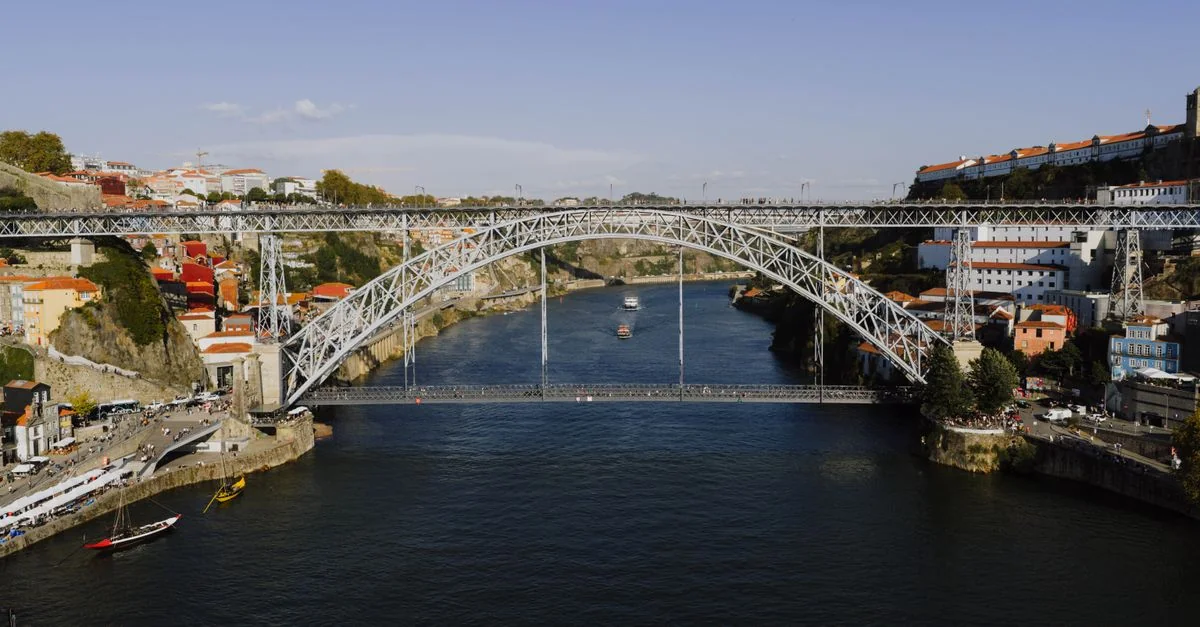
The gravel path crunches under my boots as the morning mist lifts off the River Tua. In Alijó, the air smells of wet stone, wild herbs, and the faint, sweet promise of fermentation. Most visitors to this corner of Portugal treat it as a pit stop on the way to Porto, a quick fueling station before continuing north. But I am here to tell you that Alijó is not a transit point. It is a destination that demands you slow down, put on comfortable footwear, and let the landscape dictate your pace. The town sits at the confluence of the Tua and Douro rivers, a geographic fork that has shaped its history, its wine, and its quiet, rugged beauty. If you are looking for a city that can be conquered in a single, well-paced day on foot, you have found it. Why Alijó is Best Explored on Foot # Alijó is compact, but its character is not found in its main square alone. It is scattered across the hillsides, tucked into the folds of the riverbanks, and hidden in the vineyards that climb the steep slopes. A car limits your experience to the paved roads, forcing you to miss the narrow alleyways where the local life actually happens. Walking allows you to notice the texture of the schist walls, the specific shade of green in the vineyards, and the way the light hits the river at different times of day.

I stopped counting the number of steps I take in a day when I moved to Portugal. In Albufeira, the pavement stretches out like a promise, inviting you to trade the sweltering heat of the midday sun for the cool breeze of the Atlantic. Most visitors arrive here looking for a party, or perhaps a quiet beach day, but they miss the rhythm of the city. The real Albufeira isn’t found in the crowded squares or the high-rise hotels; it is found in the winding lanes of the old town, the salt-air drift of the cliffs, and the slow, deliberate pace of a rider on an electric bike. I have walked these streets for years, and I can tell you that the best way to understand this coastal gem is not by rushing from one landmark to another, but by letting the terrain guide you. The data for guided group tours in this specific area is surprisingly minimal, which is actually a relief for those who prefer autonomy. There is exactly one primary option available in our current dataset, and it stands out for its practicality. It is an E-Bike Rental for a full day on the Beach Coastline, priced at $46.55 USD. This single offering defines the current landscape of structured activities in this dataset, making it the focal point for anyone looking to explore the coastline with a bit of mechanical assistance.
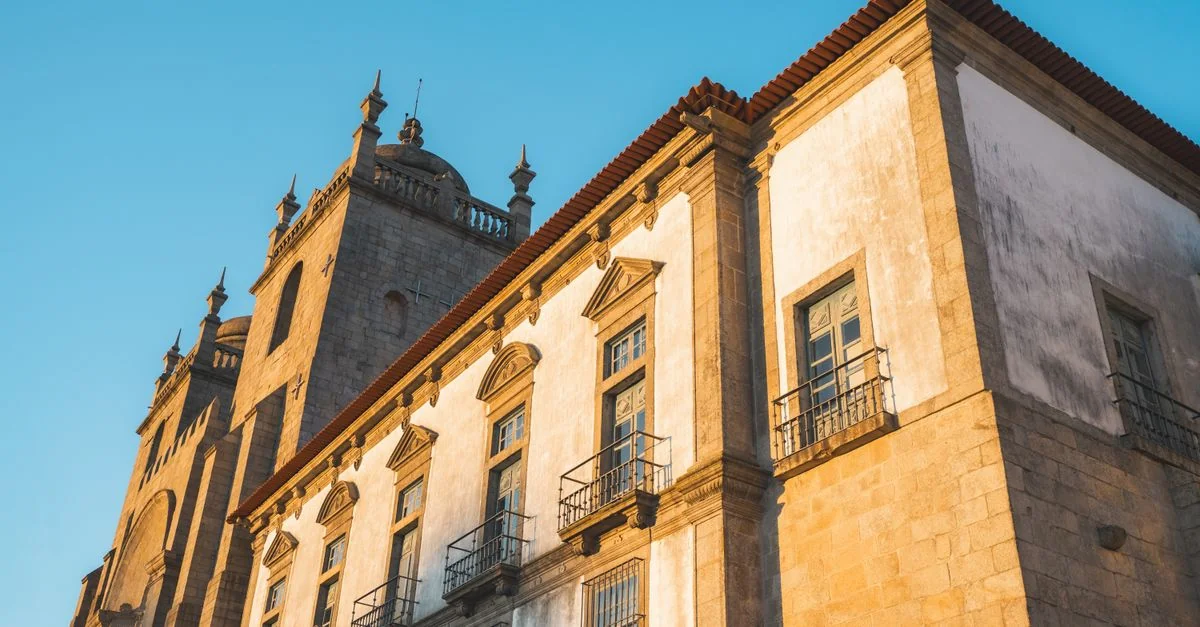
Évora’s narrow, winding streets and ancient architecture make it a city best explored on foot. The moment you step off the train at Évora station, you’re greeted by the towering silhouette of the Sé de Évora, a UNESCO World Heritage Site that dominates the skyline. The city’s historic center is a UNESCO World Heritage Site, and its labyrinthine streets are a great destination of medieval charm. From the grand Sé de Évora to the mysterious Roman Temple of Diana, every corner of Évora tells a story. Let’s walk through the best ways to experience this enchanting city. Why Évora is Best Explored on Foot # Évora’s historic center is a UNESCO World Heritage Site, and its labyrinthine streets are a great destination of medieval charm. The city’s narrow, winding alleys and ancient architecture make it a city best explored on foot. Walking through Évora is like stepping back in time, with every cobblestone street and every doorway telling a story. The city’s historic center is a UNESCO World Heritage Site, and its labyrinthine streets are a great destination of medieval charm. From the grand Sé de Évora to the mysterious Roman Temple of Diana, every corner of Évora tells a story. The best way to experience this enchanting city is on foot, allowing you to take in the atmosphere and discover lesser-known spots at your own pace.
Vila Nova de Gaia, the second city of Porto, is a great destination of history, culture, and natural beauty. With its cobblestone streets, historic buildings, and lush parks, it’s no wonder that walking is the best way to explore this charming city. Whether you’re a history buff, a foodie, or a wine enthusiast, there’s something for everyone in Vila Nova de Gaia. Let’s take a stroll through the city’s best walking tours. Why Vila Nova de Gaia is Best Explored on Foot # Vila Nova de Gaia is a city that loves to walk. Its historic center is a UNESCO World Heritage Site, and it’s a place where the past and present blend seamlessly. The city’s layout is perfect for walking, with narrow streets, charming squares, and historic buildings that tell stories of the past. From the iconic Ribeira to the lively Lapa district, there’s always something to see and do on foot.
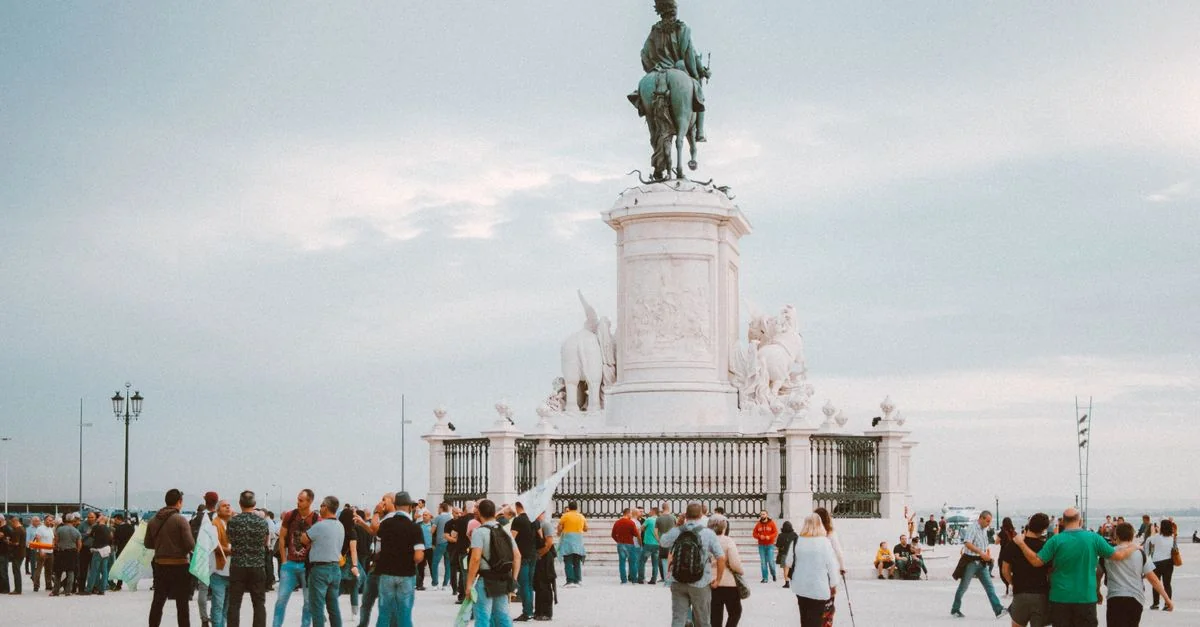
My calves still remember the relentless limestone slopes of the Portuguese capital, a city built on seven steep hills that demand respect from every traveler. When I walk Lisbon’s labyrinthine neighborhoods, I notice the intricate calçada portuguesa sidewalks that gleam under the Atlantic sun, polished smooth by centuries of footsteps. Traversing these ancient lanes reveals architectural layers that flat cities simply cannot offer, from Moorish remnants in Alfama to the grand plazas of the downtown grid. Why Lisbon is Best Explored on Foot # Stepping onto the pavement is the only way to catch the scent of grilled sardines drifting from tiny doorways and hear the distant, melancholic notes of fado echoing down a residential alley. Vehicles miss the tactile details: the chipped blue-and-white azulejo tiles on crumbling facades, the sudden grand river views that open up at the end of a narrow staircase, and the sheer verticality of a metropolis designed for pedestrians long before engines existed. Walking forces you to slow down and sync your pace with the city’s daily rhythm.
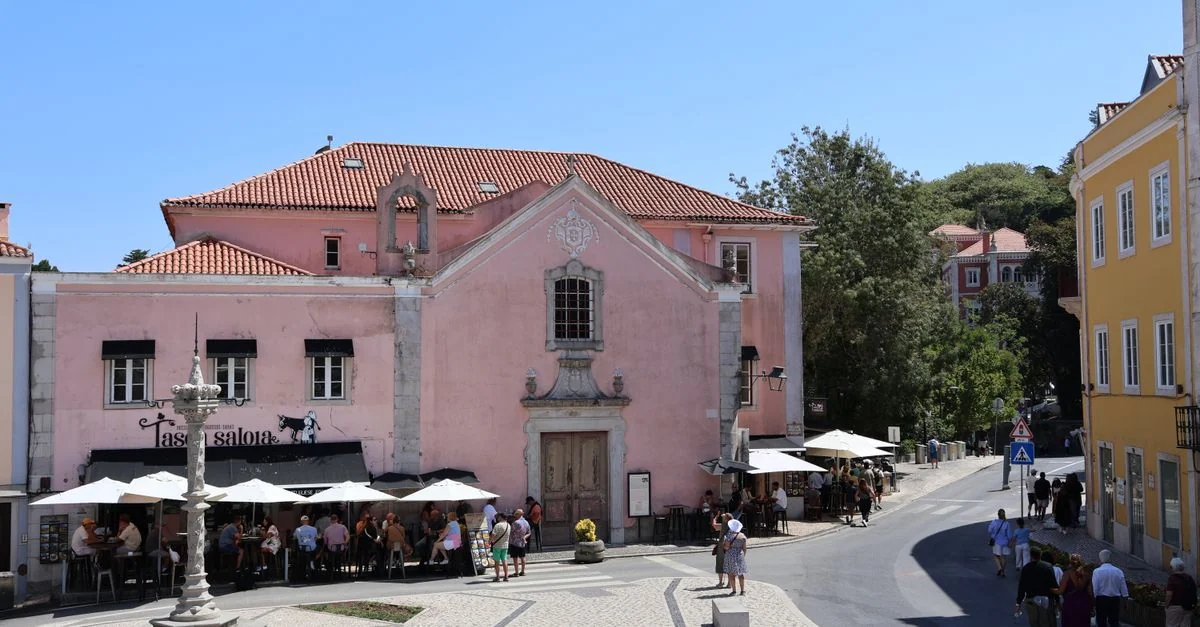
The mist clings to the granite peaks of the Serra de Sintra like a damp wool blanket, obscuring the jagged spires of the palaces until you are standing directly beneath them. I have spent years wandering through European towns, but few places demand your physical presence quite like this. You do not simply view Sintra; you climb it. The verticality of the landscape is deceptive when viewed from a train window, but once you hit the cobblestones, the incline becomes the primary architect of your day. Walking here is a slow, deliberate process of navigation, where every turn reveals a steep stairwell or a winding forest path that reveals the architectural oddities of the region. Why Sintra is Best Explored on Foot # If you rely on buses or shuttles, you miss the transition between the dense, humid forest and the manicured, eccentric gardens that define the area. Walking allows you to control your pace, which is essential when the humidity rises or the fog rolls in. The geography here is punishing on the calves, but the payoff is the ability to duck into side paths that vehicles cannot access. I find that the sound of the wind through the pines and the distant chime of church bells are lost when you are trapped in a crowded transit queue. By walking, you connect the disparate estates through the natural landscape, seeing how the nineteenth-century architects utilized the terrain to frame their homes.