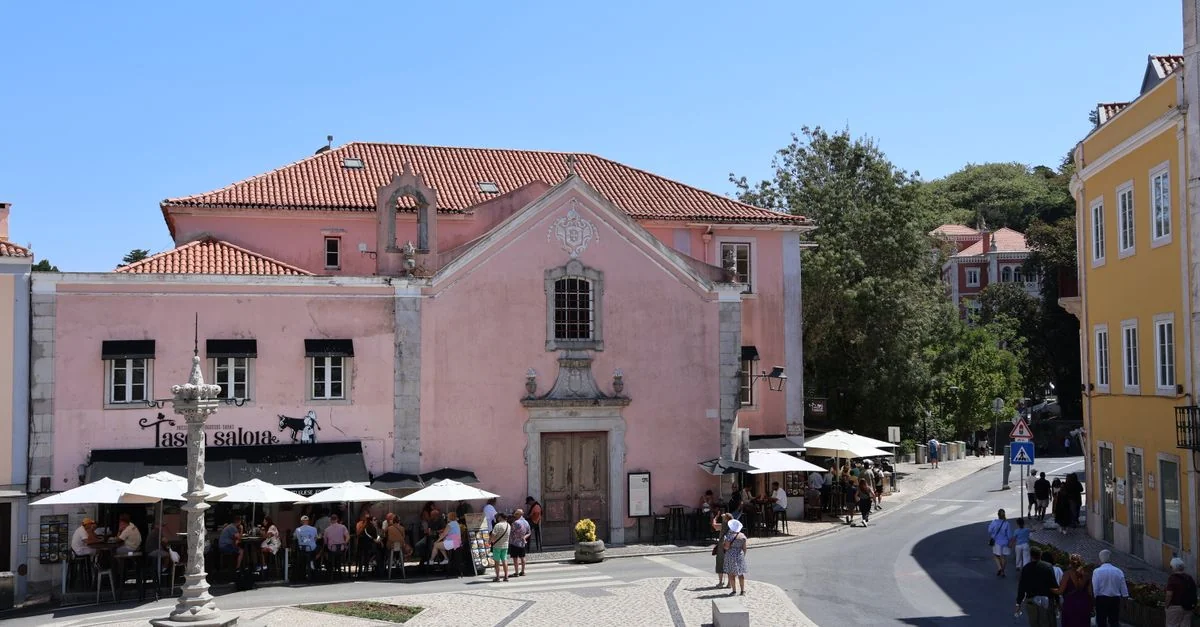
A Practical Guide to Walking Sintra: Navigating the Hills on Foot
The mist clings to the granite peaks of the Serra de Sintra like a damp wool blanket, obscuring the jagged spires of the palaces until you are standing directly beneath them. I have spent years wandering through European towns, but few places demand your physical presence quite like this. You do not simply view Sintra; you climb it. The verticality of the landscape is deceptive when viewed from a train window, but once you hit the cobblestones, the incline becomes the primary architect of your day. Walking here is a slow, deliberate process of navigation, where every turn reveals a steep stairwell or a winding forest path that reveals the architectural oddities of the region. Why Sintra is Best Explored on Foot # If you rely on buses or shuttles, you miss the transition between the dense, humid forest and the manicured, eccentric gardens that define the area. Walking allows you to control your pace, which is essential when the humidity rises or the fog rolls in. The geography here is punishing on the calves, but the payoff is the ability to duck into side paths that vehicles cannot access. I find that the sound of the wind through the pines and the distant chime of church bells are lost when you are trapped in a crowded transit queue. By walking, you connect the disparate estates through the natural landscape, seeing how the nineteenth-century architects utilized the terrain to frame their homes.