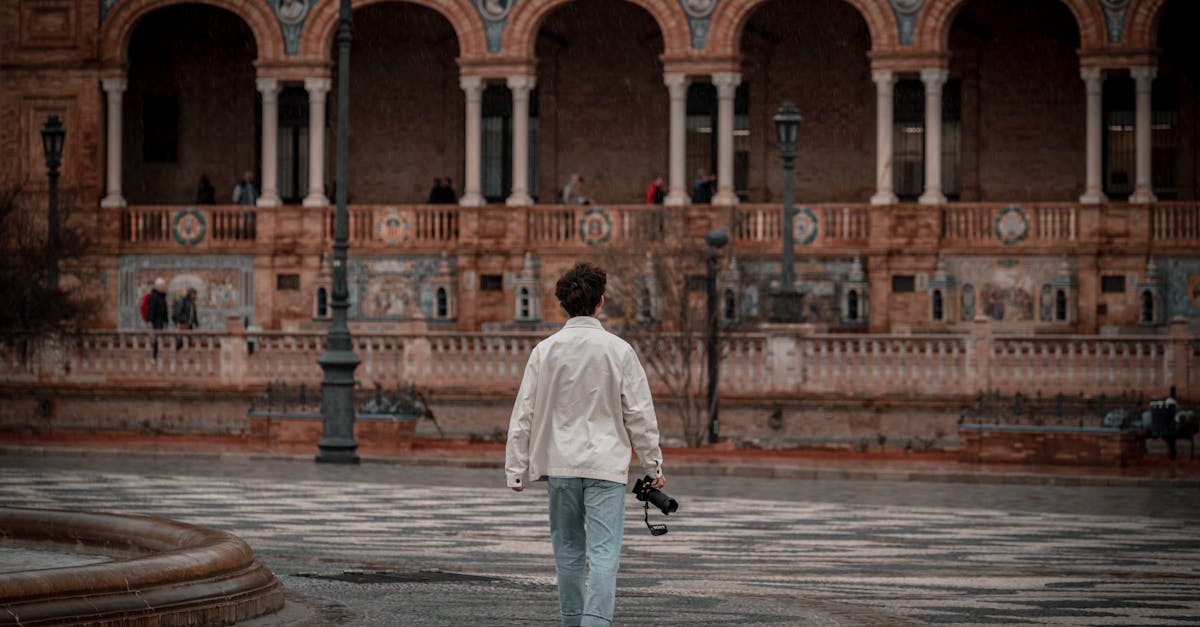
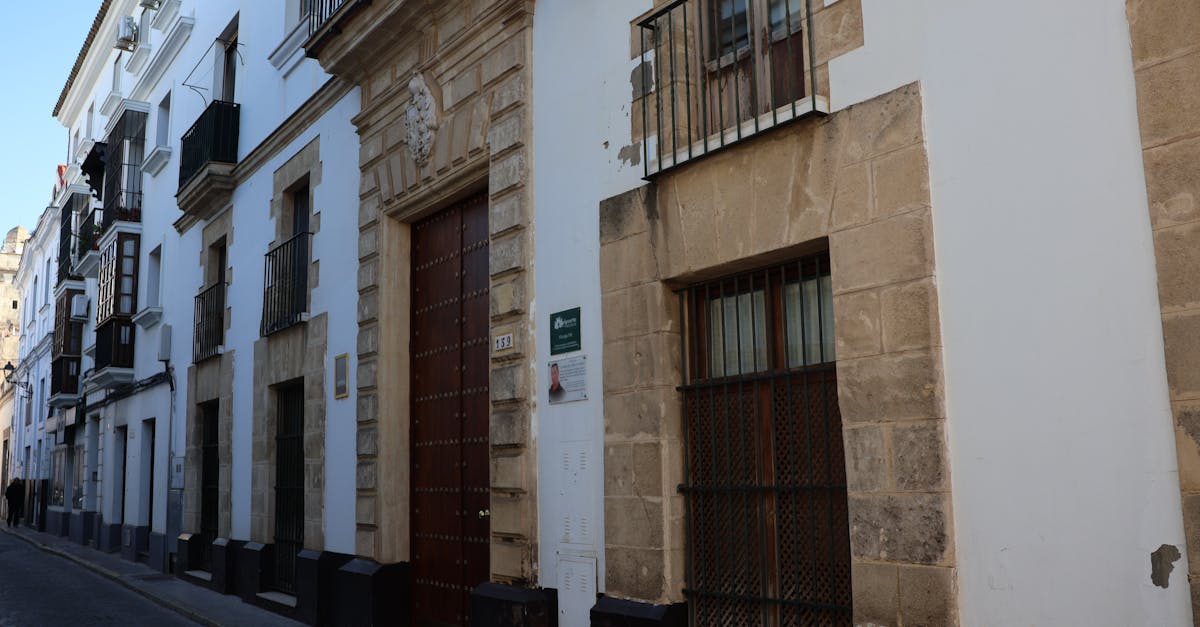
T is a city that breathes history and culture. Its narrow, winding streets and ancient architecture invite you to wander, to pause, to absorb. But to truly experience T, you need to walk it. The city’s rich heritage unfolds best when you’re on foot, your steps echoing through the centuries. Let’s explore why T is best explored on foot and the walking tours that can guide you through its treasures. Why T is Best Explored on Foot # T is a city that has stood the test of time. Its origins trace back to the 2nd century BC, and its history is etched into every cobblestone and every crumbling wall. Walking through T is like stepping into a living museum. You can feel the weight of centuries beneath your feet, hear the whispers of the past in the air.
Walking through the cobblestone streets of SA, Spain , feels like stepping into a living postcard. The city’s narrow alleys, historic plazas, and lively architecture create a perfect backdrop for a walking tour. Whether you’re a history buff, a foodie, or simply love exploring new places, SA offers a wealth of experiences on foot. to why SA is best explored on foot, the top walking tours available, and some practical tips to make the most of your adventure. Why SA is Best Explored on Foot # SA is a city that breathes history. From the ancient Roman walls to the stunning Gothic cathedral, every corner tells a story. Walking allows you to absorb the atmosphere, feel the weight of centuries, and discover details that might be missed in a rushed visit. The city’s compact size means you can cover a lot of ground without tiring, and the pedestrian-friendly layout makes it easy to navigate.
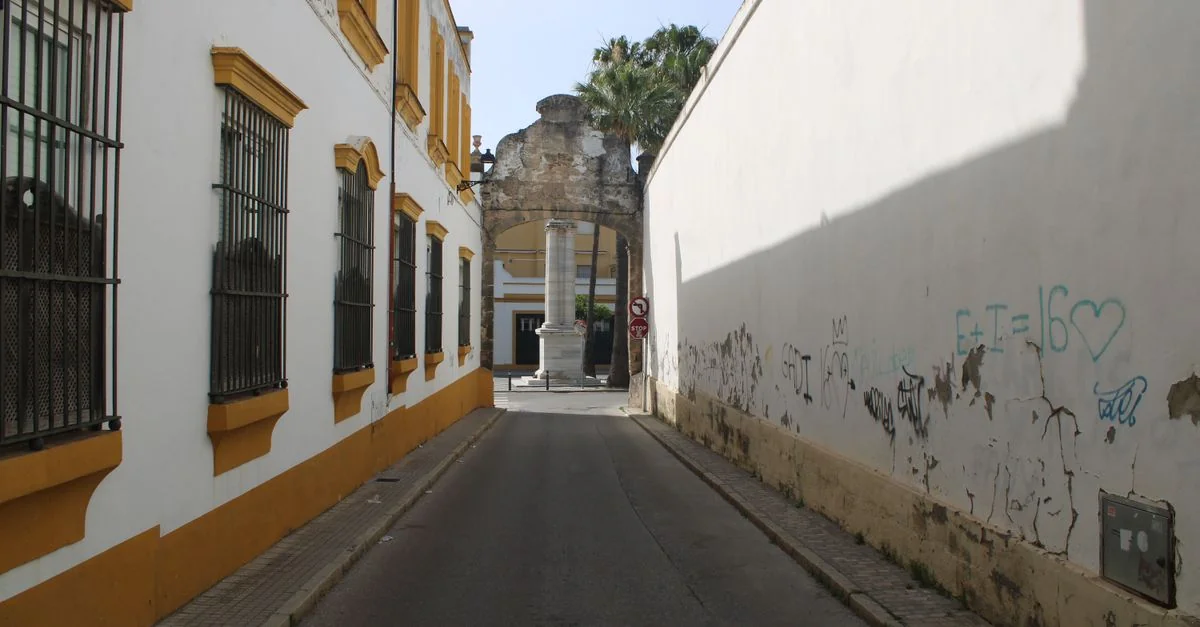
My shins usually tell me the truth about a city long before my camera does. After logging thousands of miles pounding pavement across Europe , I have learned that V demands a slow, deliberate pace to truly understand its rhythm. You miss the subtle shifts in architecture, the scent of fresh Mediterranean air mixed with street-level roasting coffee, and the quiet neighborhood courtyards if you rush past in a taxi. Walking forces you to engage with the street grid, the changing texture of the paving stones, and the neighborhood elders chatting outside corner bodegas. Why V is Best Explored on Foot # Streets here are scaled for human movement rather than cars. When you walk, you catch the architectural transitions from heavy medieval stone to sleek modern lines organically. You can pause to watch a street musician, duck into a shady plaza when the afternoon sun gets heavy, or alter your path entirely because a narrow alleyway looks interesting. A vehicle glides past the details, but your own two feet put you right inside the daily theater of local life.
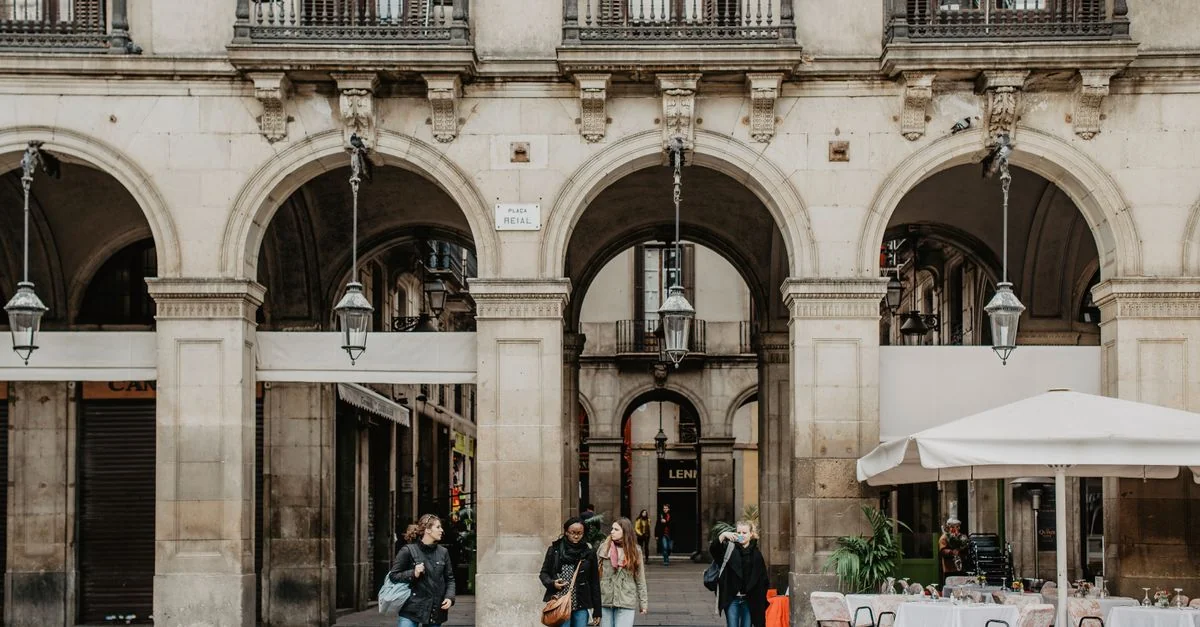
My calves still remember the ancient, uneven paving stones of PM, Spain , the kind of limestone pavement that polishes down to a mirror finish after centuries of foot traffic. When I travel, I rarely bother with taxis or public transit unless my knees are entirely shot. Cities like PM demand your physical presence; they require you to smell the roasting coffee beans rolling out of a neighborhood bodega, hear the distinct echo of boot heels bouncing off sandstone facades, and feel the sudden shift in temperature when you step out of a sun-baked plaza into a narrow, shaded alley. Why PM is Best Explored on Foot # Vehicular traffic in PM’s historic core belongs to another era entirely, designed for carts, horses, and pedestrians rather than modern delivery trucks and compact cars. When you walk, you catch the micro-details that drivers miss entirely: the wrought-iron balconies dripping with geraniums, the cool limestone archways leading to quiet interior courtyards, and the tiny neighborhood bakeries that don’t bother with street advertising because the aroma of ensaimadas does the work for them.
Photo by Zekai Zhu on Pexels Exploring a city on foot unveils its character in a way that no other mode of transport can. A, with its unique charm and rich culture, is best experienced at a leisurely pace, allowing you to take in the sights, sounds, and flavors of the local environment. Whether you’re wandering through historic streets or taking in the coastal views, walking gives you the freedom to discover the nuances that make A special.
Photo by Fotografías de El Puerto de Santa María on Pexels Exploring the streets of MA, Spain , is an experience that unveils the city’s long history, stunning architecture, and local culture. Each step reveals something new, and walking is undoubtedly the best way to absorb the essence of this charming city.
Why MA is Best Explored on Foot # MA’s streets are best navigated on foot, allowing you to connect with the environment in a way that other modes of transport simply can’t match. The city’s layout is designed for strolling, with narrow lanes and pedestrian-friendly areas that lead you to picturesque plazas and historic landmarks. Walking also gives you the flexibility to stop whenever something catches your eye, whether it’s a street performer, a quaint café, or an intriguing shop.