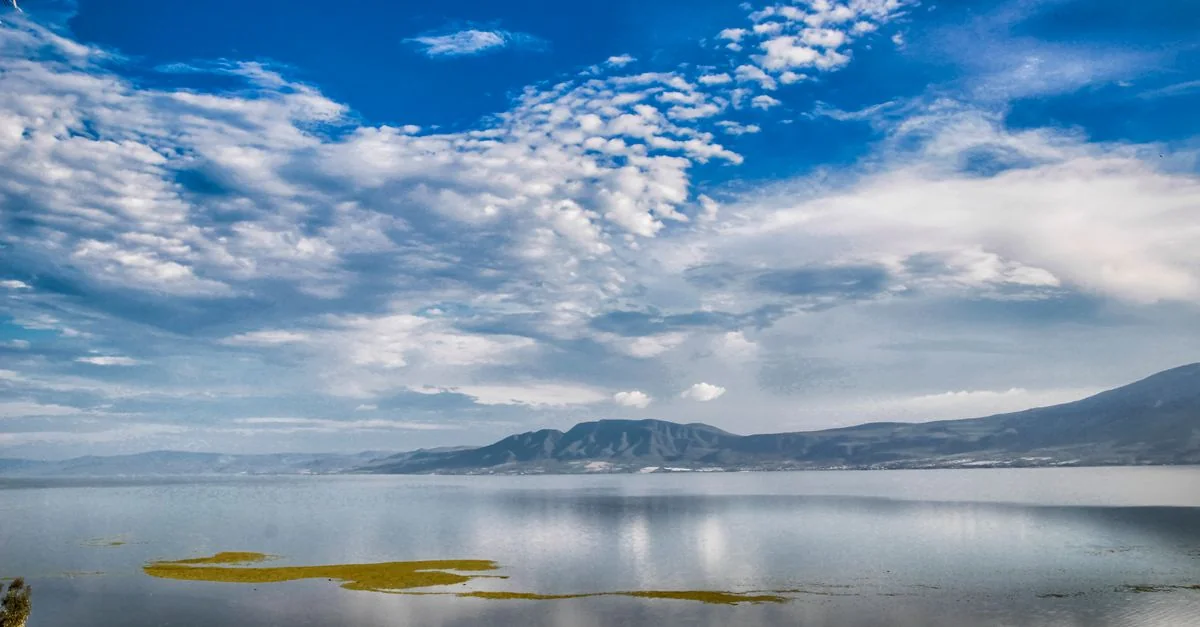
My shoes have worn through three pairs of soles across the plazas of Jalisco , and every single block has taught me that concrete perspective cannot be found from the window of a taxi. When you walk this state, you notice the salt breeze shifting off the Pacific, the specific pitch of church bells marking the afternoon, and the way colonial architecture frames the street life. I spend my life walking cities to understand their skeleton, and Jalisco demands your feet on the pavement. Why Jalisco is Best Explored on Foot # Vehicles shield you from the texture of the street. In Jalisco, the sidewalk level is where the actual journey happens—the smell of roasting corn on cob stalls, the sudden expanse of coastal boardwalks, and the intricate ironwork on balconies that you miss while scanning for parking. Walking allows you to slip down narrow alleys that cars cannot fit through, lingering wherever a patch of shade or an interesting doorway catches your eye.
My shins still remember the exact concrete rhythm of pounding the pavement across Egypt ’s Red Sea coast. When most travelers picture this stretch of coastline, they imagine lounging by resort pools or strapping on a snorkel. But as someone who earns a living walking cities from end to end, I know that hitting the pavement offers a completely different perspective. Exploring on foot reveals the raw texture of daily life away from the hotel strips, even when your route involves connecting to deeper historical excursions starting right from the city limits. Why Hurghada is Best Explored on Foot # Walking allows you to catch the scent of roasting street corn, hear the calls to prayer bouncing between concrete walls, and notice the intricate details of local storefronts that speed by in a taxi. When you traverse the streets at human speed, you engage directly with the terrain.
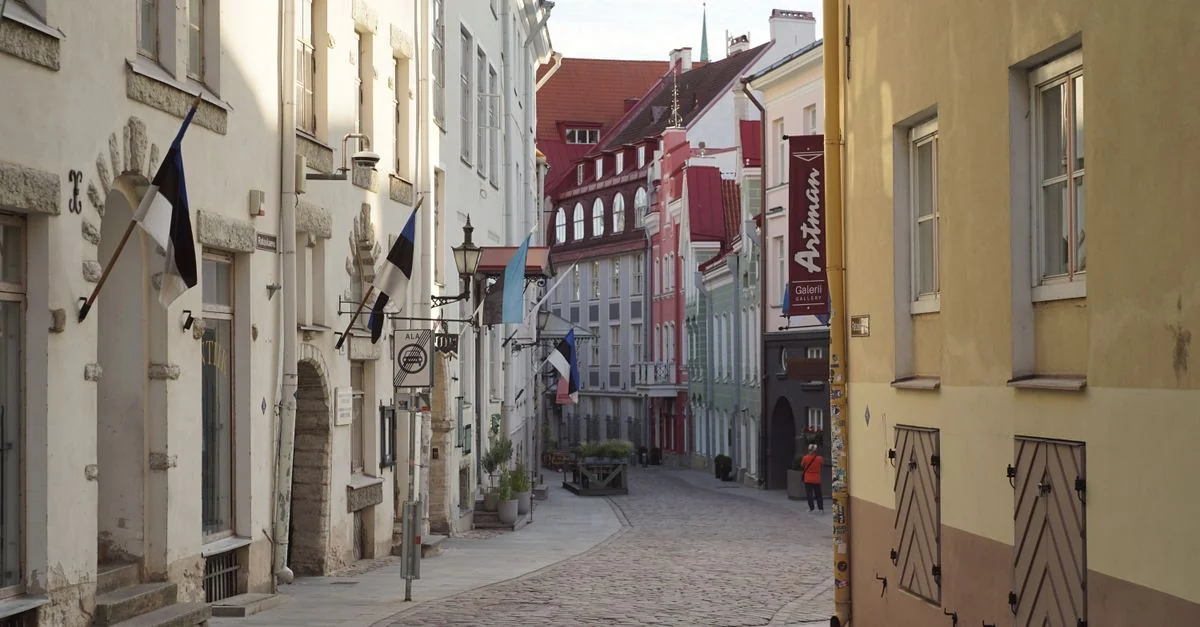
The cobblestones of Harju maakond tell stories that you simply miss when you are sitting behind the glass of a tour bus. I spent the last week navigating the streets of this Estonian region, and I found that the only way to truly understand the layers of time here is to feel the uneven ground beneath your own boots. The architecture shifts from medieval stone to modern glass in a matter of blocks, and the best way to bridge that gap is by walking. Why Harju maakond is Best Explored on Foot # When you walk through Harju maakond, you notice the details that define the local character. You see the way the light hits the limestone walls of the Old Town and how the scent of pine and sea salt drifts through the narrow alleyways. Driving or taking public transit through these areas often means missing the intricate door carvings or the quiet courtyards that reveal the true personality of the region.
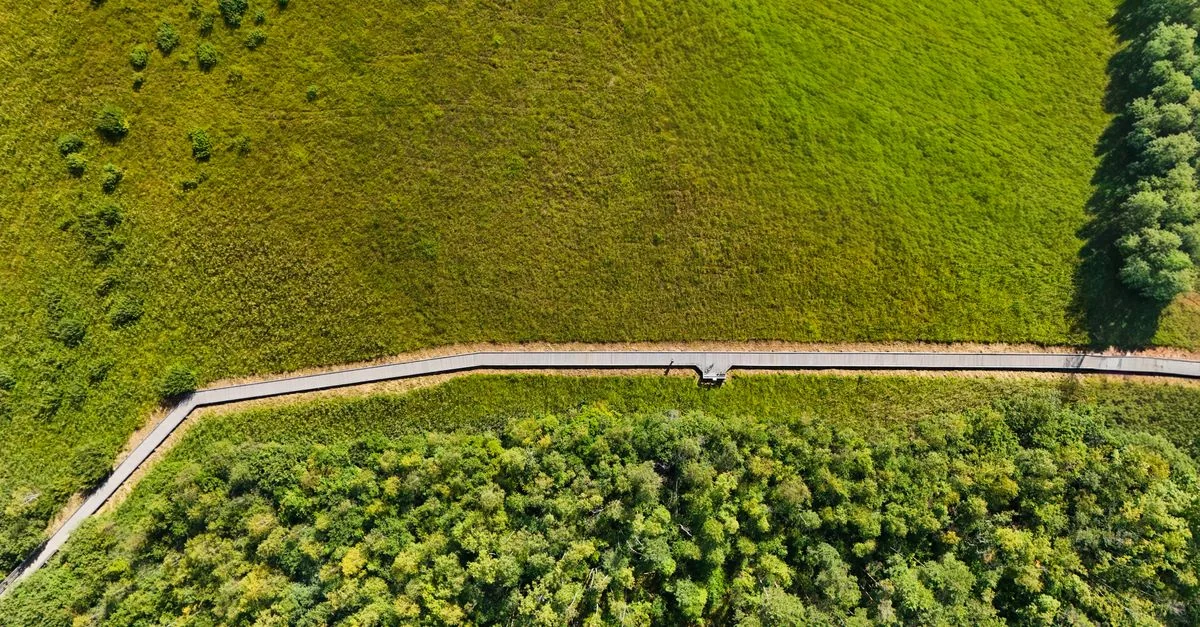
The salt air hits you the moment you step out of the car in Hancock County, carrying the scent of pine needles and cold Atlantic water. Most visitors here spend their time behind the wheel, navigating the winding roads of Mount Desert Island, but those of us who prefer to feel the pavement beneath our boots know that the true character of this region is found at a walking pace. When you slow down, the architecture of the coastal villages and the intricate history of the Gilded Age estates become more than just scenery; they become the narrative of the landscape. Why Hancock County is Best Explored on Foot # Walking allows you to notice the subtle details that define Hancock County. You see the way the light catches the shingles on historic cottages or the specific maritime history etched into the local street signs. When you are on foot, you are not just passing through a destination; you are interacting with the rhythm of the town. The geography here, particularly in the coastal hubs, is designed for human movement. Narrow lanes that were established long before the automobile remain the most efficient way to navigate the dense, historic cores.
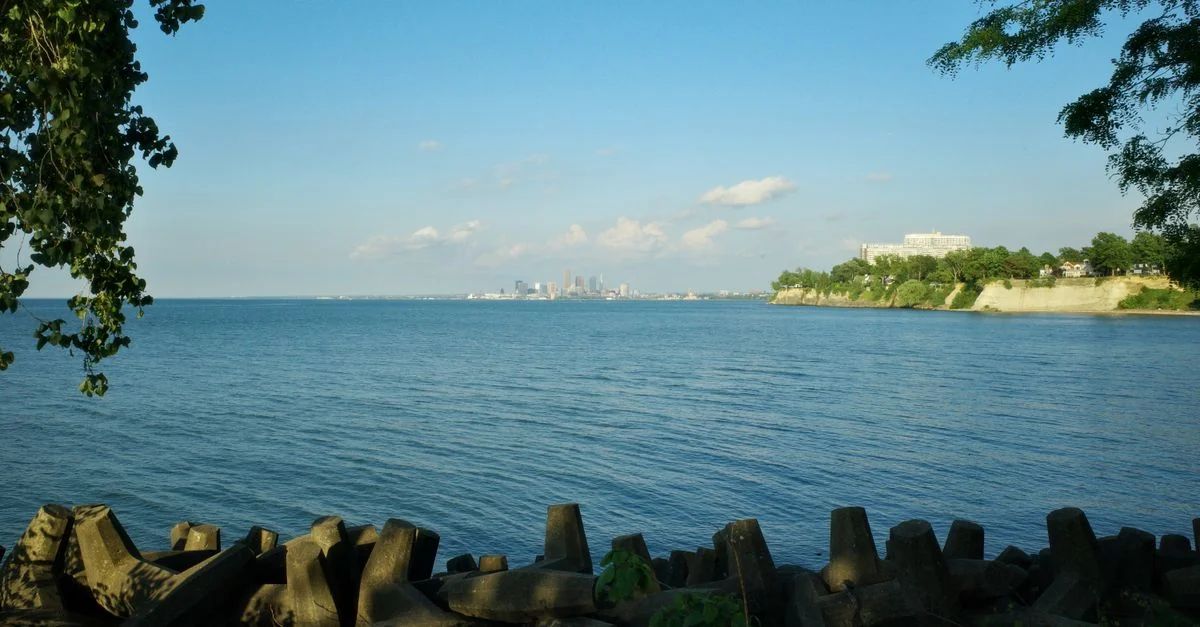
I stepped off the curb in Hamilton County and realized immediately that the pavement here tells a much deeper story than a car window ever could. When you walk these streets, you aren’t just moving from point A to point B; you are reading the architecture, feeling the shifts in neighborhood energy, and finding the specific rhythm of the local sidewalks. Walking is how I strip away the tourist veneer of a place to see what is actually happening on the ground. Why Hamilton County is Best Explored on Foot # There is a specific clarity that comes from walking. When you drive, you miss the small, idiosyncratic details—the way a historic facade meets a modern storefront or the specific scent of a local bakery tucked into a side street. In Hamilton County, the scale of the streets encourages a slower pace. I find that when I walk, I am more likely to notice the way the light hits a brick wall or the specific layout of a public square.

My sneakers hit the red-brick paving stones of the Grote Markt just as the morning delivery vans cleared out, leaving the square quiet enough to hear the bicycle chains clicking in the distance. As someone who logs thousands of miles on foot across Europe ’s urban grids for a living, I can tell you immediately that Groningen is a walker’s absolute dream. The city center is compact, aggressively pedestrian-friendly, and smells faintly of roasted coffee beans drifting from sidewalk windows and wet autumn leaves lining the canals. You do not need a transit pass here; you just need a sturdy pair of shoes and an appetite for wandering. Why Groningen is Best Explored on Foot # When you ride a bicycle in the Netherlands , you have to move with the terrifying efficiency of a commuter. When you take the bus, you miss the architectural details hidden above the storefronts—the crooked gable stones, the 17th-century brickwork settling into the marshy northern soil, and the narrow alleyways that lead to quiet interior courtyards. Walking lets you set your own cadence.

My calves still remember the exact pitch of the limestone paving inside Diocletian’s Palace, worn smooth by seventeen centuries of footsteps. When I travel, I rarely bother with public transit unless my knees give out entirely. Walking lets you smell the espresso drifting from tucked-away stone courtyards, hear the echo of street musicians beneath ancient arches, and notice the way the Adriatic light hits the crumbling Roman brickwork just before dusk. Grad Split is a living, breathing Roman ruin where people still hang their laundry across alleyways barely wide enough for two people to pass. Why Grad Split is Best Explored on Foot # You cannot understand Split from the window of a car or a tour bus. The historic core is a dense labyrinth designed to confuse invaders, which means it works equally well at confusing modern vehicles. Walking allows you to slip through the Iron Gate, stumble upon hidden basements, and wander down alleys that lead straight to the shimmering harbor without worrying about traffic. The scale of the old town is entirely pedestrian-friendly, making your own two feet the ultimate vehicle for discovery.
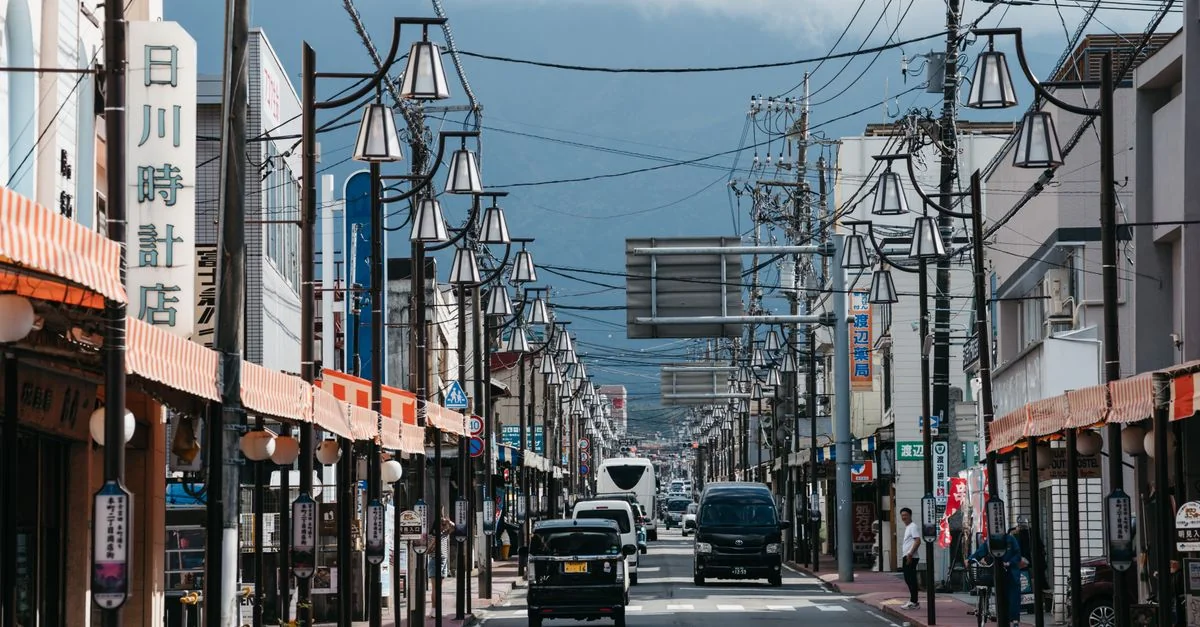
I stood at the edge of the Miyagawa River in Takayama, watching the morning mist cling to the dark wooden eaves of the old merchant houses. Most travelers zip through Gifu Prefecture on the Shinkansen, catching only a blur of mountains and rice paddies. But when you walk these streets, the rhythm of the region changes. You notice the way the light hits the Edo-period latticework and how the scent of cedar and sake barrels defines the narrow alleys. Walking is not just a way to get from one point to another here; it is the only way to peel back the layers of a region that prioritizes craft, tradition, and quiet hospitality. Why Gifu is Best Explored on Foot # Gifu Prefecture is defined by its geography. The Hida Mountains create a natural barrier that has historically kept these towns isolated, allowing unique architectural styles and culinary traditions to survive. When you are behind the wheel of a car, you miss the subtle details: the small stone shrines tucked between modern storefronts, the sound of water flowing through irrigation channels, and the specific texture of the local stone paving.
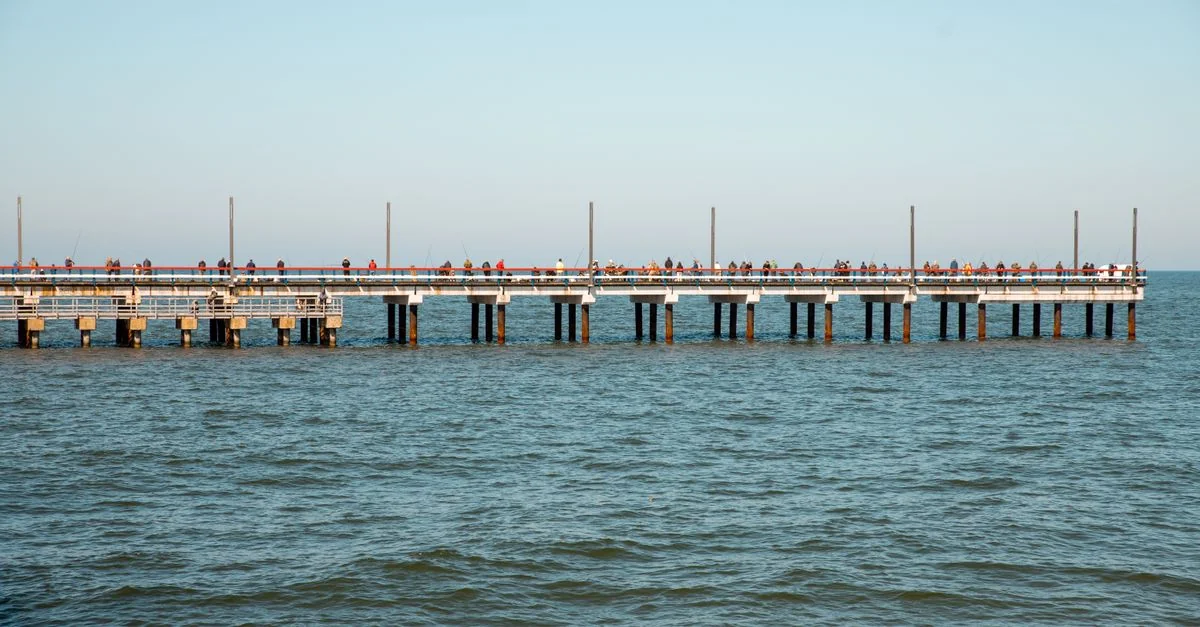
I spent the better part of a week pacing the sidewalks of Georgetown County, letting the rhythm of my own stride dictate the pace of my discovery. There is something about the way the light hits the historic architecture here that you simply miss when you are behind the wheel of a car. When you walk, you notice the texture of the brickwork, the specific scent of the salt air shifting as you move between blocks, and the quiet details that define the local character. Walking is not just a way to get from point A to point B; it is the only way to truly understand the scale and history of this place. Why Georgetown County is Best Explored on Foot # Georgetown County rewards the observant traveler. Because the area is defined by its coastal geography and historic town centers, moving on foot allows you to navigate the narrow lanes and waterfront paths that cars often bypass. When I walk a city, I am looking for the transition points—the moment a busy thoroughfare gives way to a quiet residential street lined with century-old oaks. In Georgetown, these transitions happen every few blocks.
My sneakers have logged thousands of miles across American asphalt, and few regions reward a pedestrian pace quite like Erie County. When you walk these streets, you skip the blur of windshield views and notice the architectural details, the local cadence, and the layout of the neighborhoods. Erie County is flat enough to keep your calves from burning out by noon, yet geographically diverse enough to offer distinct walking experiences across different towns. If you want to understand the character of this region, you have to do it on foot. Why Erie County is Best Explored on Foot # Driving through Erie County misses the point. You miss the smaller storefronts, the historic markers on street corners, and the spontaneous conversations with residents waiting for the crosswalk signal. Walking allows you to cover ground efficiently while keeping your eyes open to the changing streetscapes.