My boots hit the asphalt of the Tony Knowles Coastal Trail just as a cold breeze rolled in off Cook Inlet, reminding me that street-level exploration is the only way to truly understand the northern edge of civilization here. When you walk a city, you notice the way the light hits the Chugach Mountains, the sudden scent of pine and salt air, and the exact distance between downtown street corners. I spend my life walking cities, and Anchorage Municipality demands that same pavement-pounding approach. Why Anchorage Municipality is Best Explored on Foot # Vehicles shield you from the character of a place. In Anchorage Municipality, sticking to four wheels means missing the subtle details—the public art installations tucked into small plazas, the sudden elevation shifts that offer sweeping views of the harbor, and the local street life. Walking lets you set your own pace, duck into local coffee shops when the wind picks up, and cover ground that buses simply cannot reach.

I found myself standing before the Koppelpoort, the medieval gatehouse that marks the entrance to the old center of Amersfoort, watching the water ripple against the ancient brickwork. There is a specific rhythm to this city that you simply miss if you are behind the wheel of a car or sitting on a bus. Amersfoort, located in the heart of the Netherlands , is defined by its preserved medieval layout, its canals, and the way the modern city seems to wrap itself around a core that has remained largely unchanged for centuries. When you walk these streets, you aren’t just moving from point A to point B; you are navigating a timeline of Dutch history. Why Amersfoort is Best Explored on Foot # The primary reason to traverse Amersfoort by foot is the scale of its historic center. The city was designed long before the internal combustion engine, meaning the streets are narrow, winding, and frequently pedestrian-only. If you try to navigate the center by vehicle, you will spend your time searching for parking rather than looking at the architecture.
My soles were caked in dust by noon, my water bottle was completely empty, and I had already logged 15,000 steps before crossing the threshold of the local market. Walking Alanya on foot is the only way to genuinely grasp its layout, from the sun-bleached coastal stretches to the steep limestone crags rising directly out of the Mediterranean. Why Alanya is Best Explored on Foot # Vehicles shield you from the daily rhythm of this coastal Turkish city. When you walk, you notice the smell of grilling meat drifting from neighborhood alleyways, the sudden shifts in elevation as you navigate the old quarters, and the precise angle where ancient stone walls meet modern pavement. I spent three solid days pounding the asphalt and stone paths here, and every single block revealed something missed by tour bus windows. You catch the sound of waves hitting the rocky base of the peninsula, and you can pause whenever a stray cat or an old wooden doorway demands a second look.
My shoes have worn through dozens of city pavements, and the concrete grids of the East Bay offer some of the most rewarding miles for a dedicated walker. When you step out onto the sidewalks here, you trade the sterile view from a car window for the scent of salt air drifting off the bay, the crunch of gravel underfoot in urban parks, and the raw texture of local architecture. Walking lets you notice the small details—hand-painted corner murals, the cast-iron grates of old storefronts, and the shifting microclimates that drop a cool fog over one block while the next sits in warm sunshine. Why Alameda County is Best Explored on Foot # Covering miles on foot changes how you experience geography. You realize how the flat grid near the water gradually tilts upward into the Oakland hills, or how industrial waterfront edges give way to leafy residential avenues lined with Victorian homes. When I stride through these neighborhoods, I am not rushing to a destination; the movement itself is the point. You catch the rhythmic clang of rail lines, smell fresh espresso pouring from corner windows, and navigate unexpected staircases tucked between residential properties.
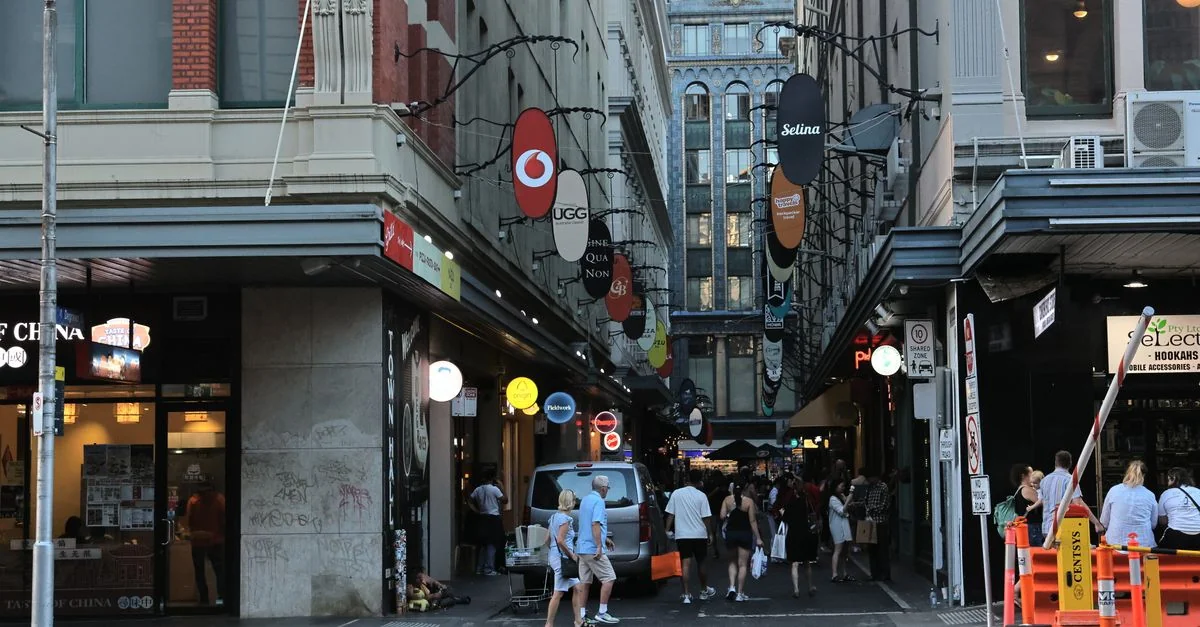
I found myself standing on the corner of North Terrace just as the morning light hit the sandstone facades, realizing that Adelaide is a city built for the rhythmic pace of a pedestrian. While many travelers rely on cars to zip between the coast and the ranges, I prefer to keep my boots on the pavement. There is a specific clarity you gain when you navigate a city block by block, noticing the architectural shifts and the way the urban grid opens up into green parklands. Adelaide rewards this effort, offering a structured layout that makes it one of the most approachable capitals in Australia . Why Adelaide is Best Explored on Foot # The layout of Adelaide is deliberate. Colonel William Light designed the city with a central square surrounded by a ring of parklands, which means that once you are in the city center, you are never far from a walking path. Exploring on foot allows you to bypass the traffic congestion that often plagues larger cities and instead focus on the details—the limestone carvings on the older buildings, the quiet side streets that lead to local cafes, and the transition from the manicured gardens to the more rugged terrain of the surrounding hills.
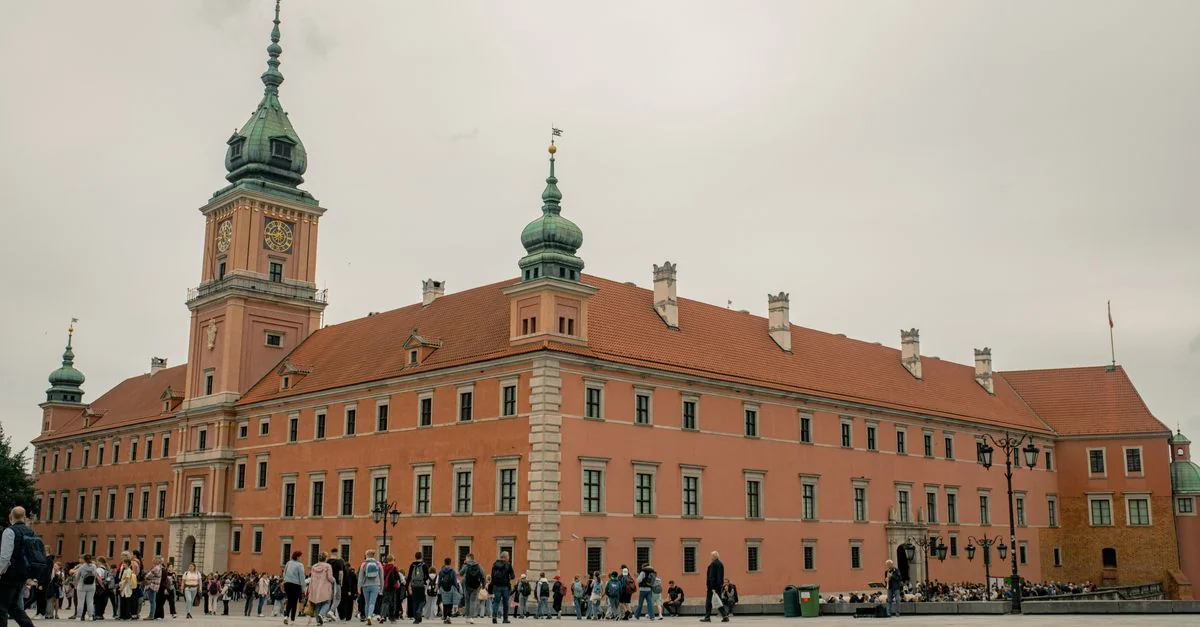
The smell of damp concrete and pine needles hangs heavy in the air near the Gierłoż forest, a stark contrast to the modern, glass-fronted skyline of Poland ’s capital. I have spent years pacing the pavement of European cities, but few places demand a steady stride and a reflective mind quite like Warsaw . When you walk here, you are not just moving from point A to point B; you are navigating layers of reconstruction, resilience, and memory. There is a specific rhythm to the city—the sound of tram bells, the quiet reverence in the parks, and the deliberate pace of locals who know that Warsaw’s story is best understood by keeping your boots on the ground. Why Warsaw is Best Explored on Foot # Warsaw is a city that rewards the slow traveler. While the public transit system is efficient, it often bypasses the subtle architectural shifts that define the city’s character. When you walk, you notice the bullet holes still visible on the facades of pre-war buildings in Praga, or the way the light hits the reconstructed gables of the Old Town. Walking allows you to bridge the gap between the polished, restored monuments and the raw, historical reality that lies just beyond the main squares.
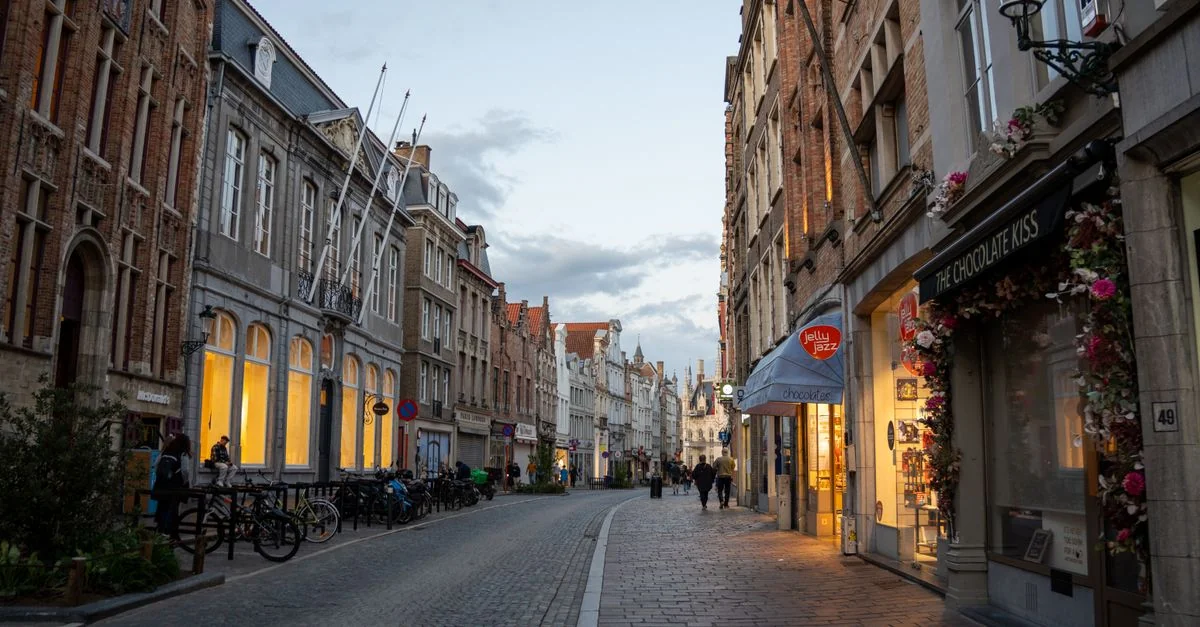
My boots have logged thousands of miles across European pavement, and every time I arrive in a new destination, my first instinct is to lace up and start pacing the streets. When I rolled into WV, Belgium , I bypassed the transit map entirely and headed straight for the cobblestones. Walking is the only way to catch the rhythm of the city, to smell the freshly baked waffles drifting from corner shops, and to notice the intricate brickwork on centuries-old gables that you simply blur past from the window of a tram or a tour bus. Why WV is Best Explored on Foot # WV rewards the slow traveler. The scale of the city center is entirely pedestrian-friendly, featuring narrow medieval lanes, arched stone bridges spanning quiet canals, and tiny alleyways that large vehicles simply cannot reach. When you walk, you control the pace. You can stop to watch a local artisan mend lace or duck into a quiet courtyard to rest your legs against a stone bench.
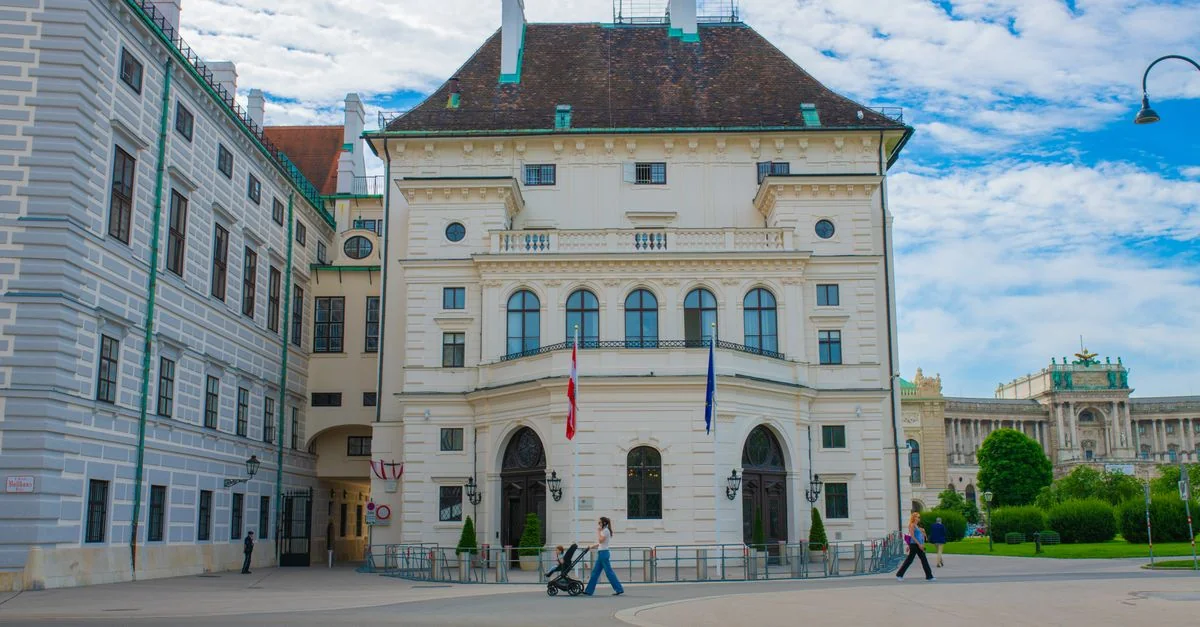
My boots have logged thousands of miles across European capitals, and few urban cores reward legwork quite like this one. When you pound the pavement here, you transition from a passive passenger to an active participant in an imperial empire’s daily rhythm. The architecture shifts from medieval lanes to baroque palaces in a matter of blocks, and the best way to experience it is step by step, coffee house to cobblestone. Why Vienna is Best Explored on Foot # Vehicles miss the details tucked into the archways and courtyards of the historic center. When you walk, you notice the smell of roasting espresso beans spilling out of corner spots and the intricate wrought-iron signage hanging above centuries-old storefronts. The Ringstrasse creates a natural boundary that keeps the core walkable, allowing you to cover significant historical ground without ever stepping onto public transit.
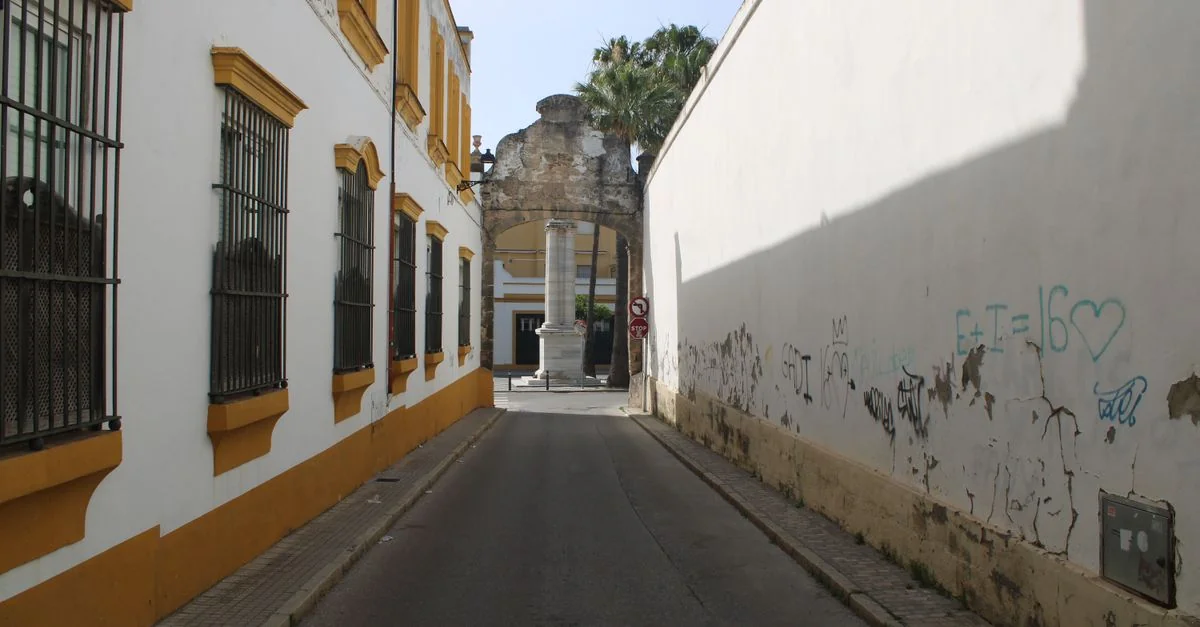
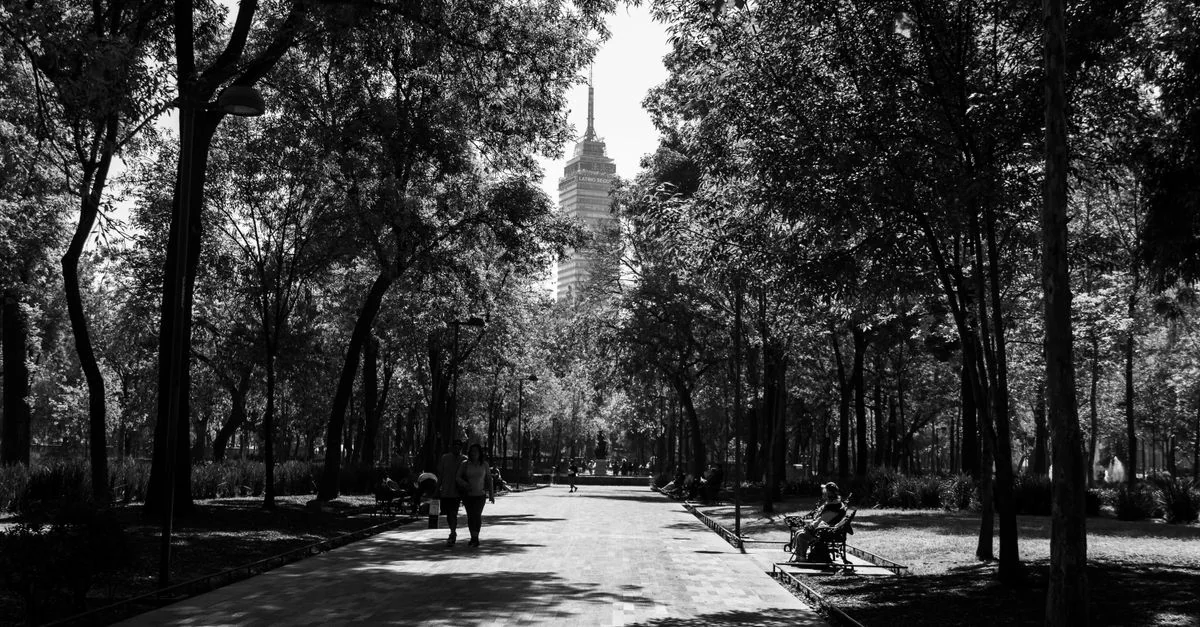
My shins usually tell me the truth about a city long before my camera does. After logging thousands of miles pounding pavement across Europe , I have learned that V demands a slow, deliberate pace to truly understand its rhythm. You miss the subtle shifts in architecture, the scent of fresh Mediterranean air mixed with street-level roasting coffee, and the quiet neighborhood courtyards if you rush past in a taxi. Walking forces you to engage with the street grid, the changing texture of the paving stones, and the neighborhood elders chatting outside corner bodegas. Why V is Best Explored on Foot # Streets here are scaled for human movement rather than cars. When you walk, you catch the architectural transitions from heavy medieval stone to sleek modern lines organically. You can pause to watch a street musician, duck into a shady plaza when the afternoon sun gets heavy, or alter your path entirely because a narrow alleyway looks interesting. A vehicle glides past the details, but your own two feet put you right inside the daily theater of local life.
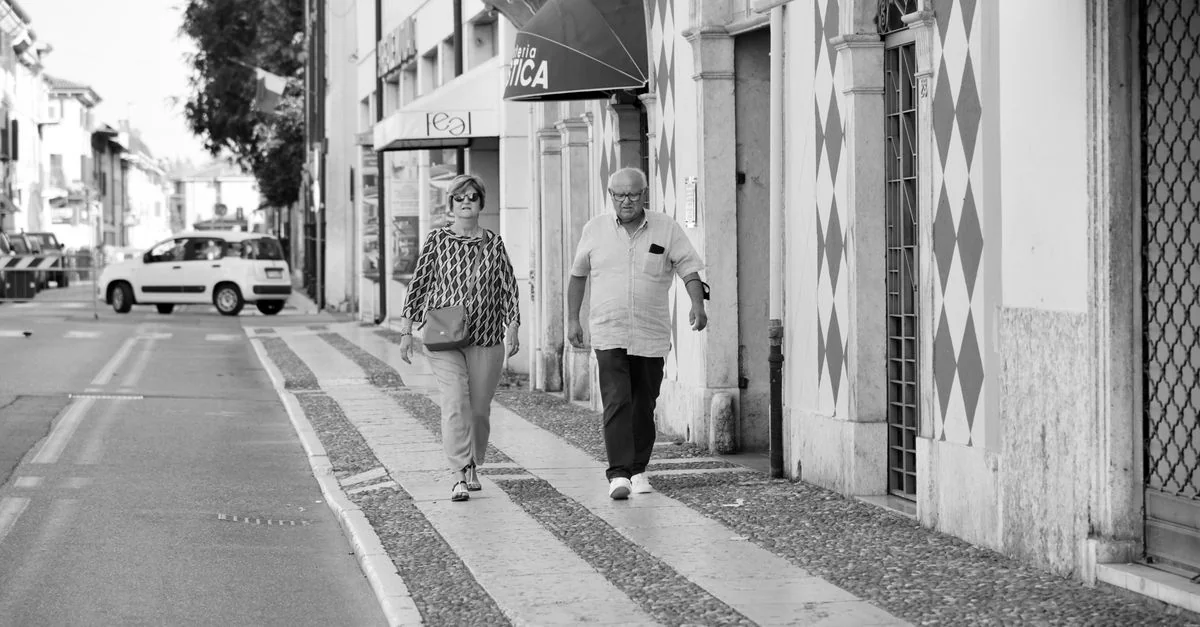
My shoe soles have ground down on asphalt and cobblestone across the globe, and few cities reward pedestrian pacing quite like TO. When you navigate the grid of grand piazzas and sprawling royal avenues on foot, you notice the architectural rhythms that speeding vehicles and windowless metro cars miss entirely. You hear the chime of historic tram bells bouncing off baroque facades and catch the scent of roasted hazelnuts and bitter espresso drifting from neighborhood cafes. Walking is the only way to genuinely understand the scale of this northern Italian urban center, where every intersection opens up to distant views of alpine peaks framing the streetscapes. Why TO is Best Explored on Foot # The layout of TO was designed for people rather than cars, thanks to its Roman grid system overlaid with sweeping seventeenth-century royal expansions. Long, uniform arcades line the main thoroughfares, offering natural shelter from sudden rainstorms and punishing midday sun while you stroll from one historic square to the next. Because the historic core is remarkably compact, you can transition from royal palaces to local food markets in under twenty minutes of steady walking.