My feet hit the Mediterranean pavement before the sun clears the Taurus Mountains, the scent of pine needles mixing with salt air. Walking is the only way to genuinely understand a destination, feeling the shifts in terrain, temperature, and local rhythm that you inevitably miss from the air-conditioned window of a tour bus. Kemer demands this grounded approach. When you pound the pavement and boardwalks here, the coastal geography opens up entirely. Why Kemer is Best Explored on Foot # Most travelers make the mistake of relying strictly on motorized transport around the Turkish Mediterranean, missing the narrow pathways winding between citrus groves and the rocky inlets hugging the shoreline. I spend my life walking cities, and Kemer rewards the pedestrian willing to log miles under their own power. The town’s layout transitions quickly from modern resort strips to rugged coastal paths where the mountains drop directly into the sea.
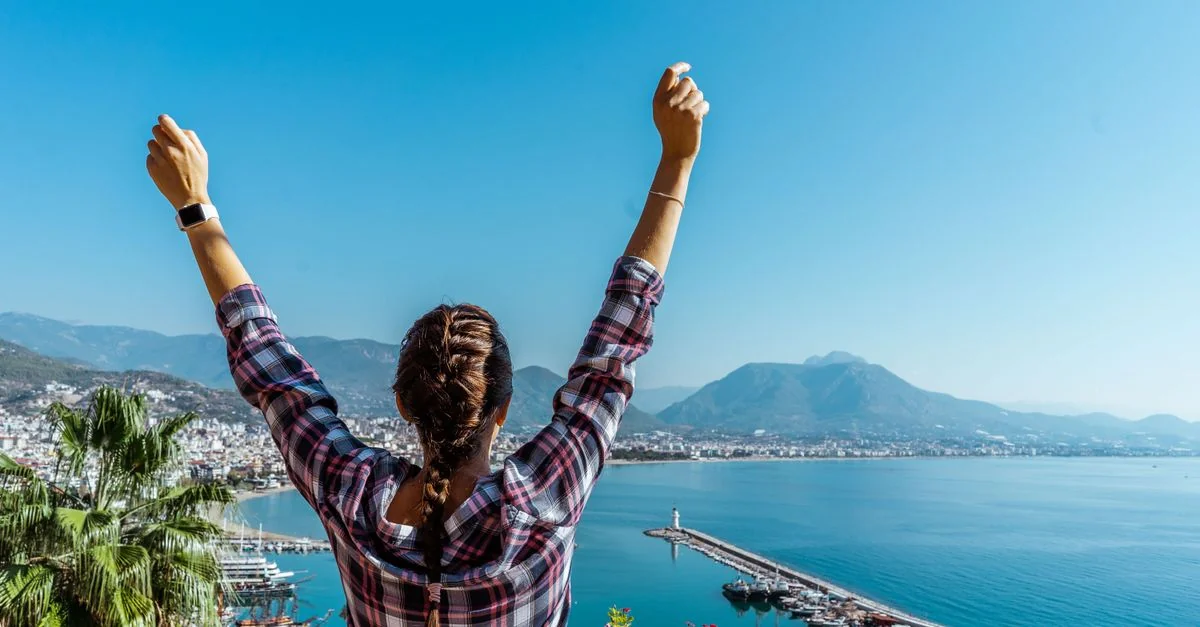
My soles were caked in dust by noon, my water bottle was completely empty, and I had already logged 15,000 steps before crossing the threshold of the local market. Walking Alanya on foot is the only way to genuinely grasp its layout, from the sun-bleached coastal stretches to the steep limestone crags rising directly out of the Mediterranean. Why Alanya is Best Explored on Foot # Vehicles shield you from the daily rhythm of this coastal Turkish city. When you walk, you notice the smell of grilling meat drifting from neighborhood alleyways, the sudden shifts in elevation as you navigate the old quarters, and the precise angle where ancient stone walls meet modern pavement. I spent three solid days pounding the asphalt and stone paths here, and every single block revealed something missed by tour bus windows. You catch the sound of waves hitting the rocky base of the peninsula, and you can pause whenever a stray cat or an old wooden doorway demands a second look.
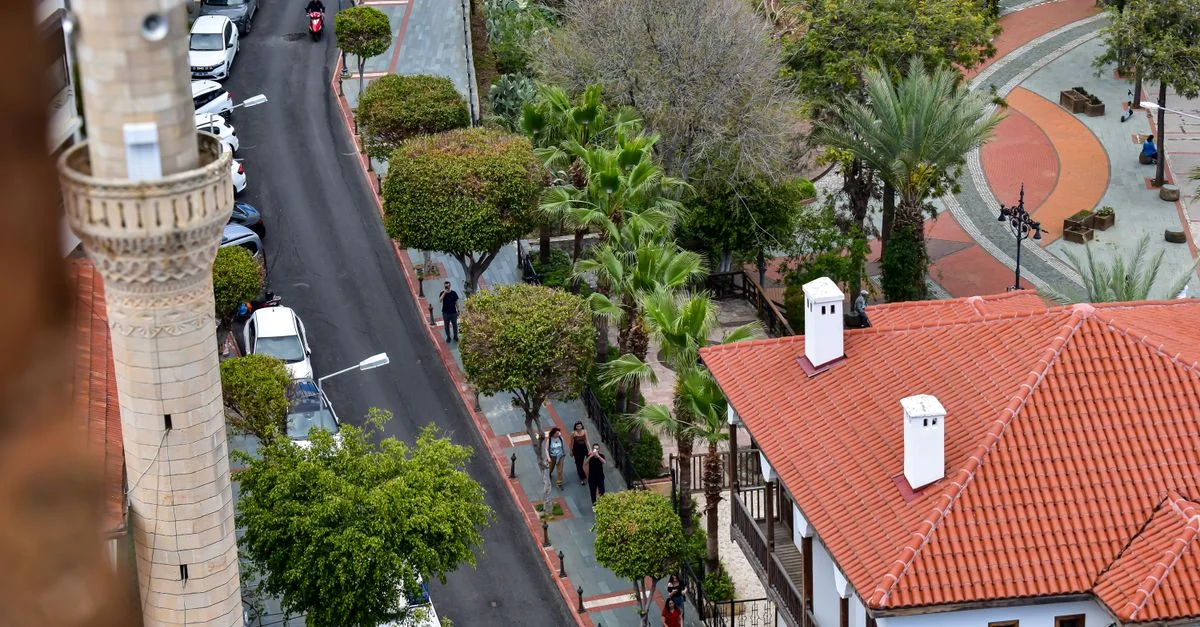
My shoes hit the ancient stone streets of Side just as the morning sun began to warm the Roman ruins scattered across the peninsula. As a travel blogger who logs thousands of miles on foot across the globe, I measure a destination by how easily its stories unfold step by step. Side, a stunning resort town on the southern Mediterranean coast of Turkey , demands to be walked. Ancient columns frame modern storefronts, and the scent of salt air mingles with the dust of centuries. When you walk this city, you skip the distance and feel the exact layout of a historic harbor that has welcomed travelers for millennia. Why Side is Best Explored on Foot # Vehicular traffic is mercifully restricted in the historic heart of Side, making your own two feet the only practical way to navigate the narrow alleys, crumbling theater walls, and seaside promenades. While resort buses and taxis drop visitors off at the outer perimeter, the real character of the town sits behind the monumental gates where asphalt gives way to centuries-old paving stones. Walking allows you to detour down side lanes that lead to unexpected fragments of marble temples, or pause to watch local fishermen cast lines near the Temple of Apollo ruins without checking a schedule. You notice the carved lintels above doorways and the way the old houses lean toward one another over the pedestrian-only paths.
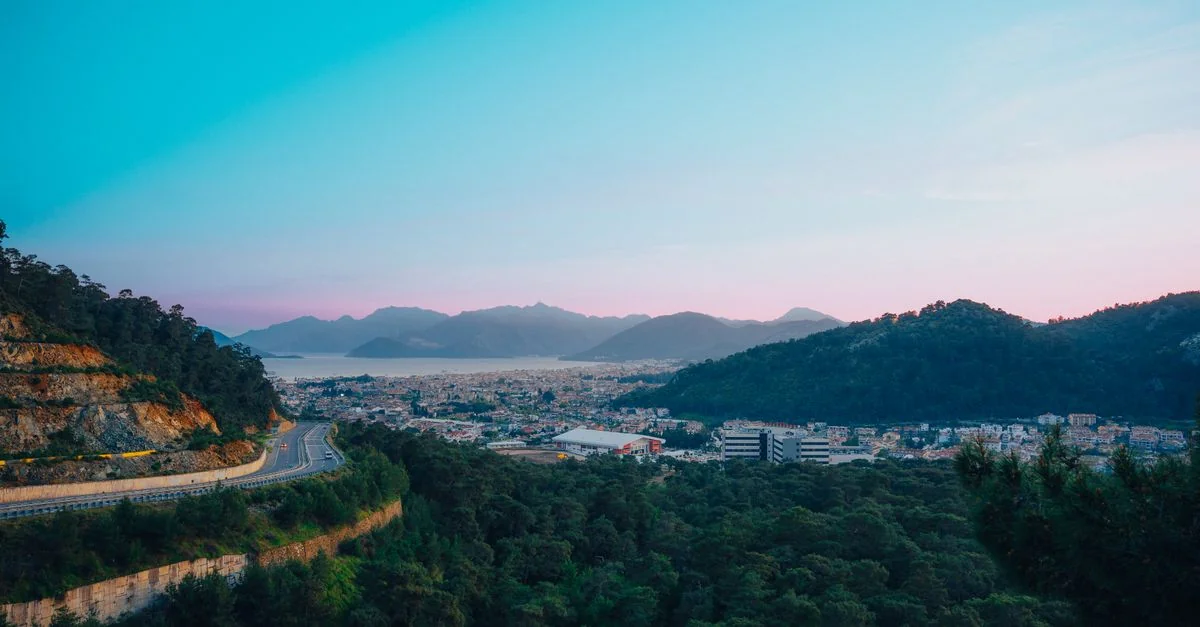
My shoes always tell the true story of a city long before my camera does. After pounding the pavement across the Mediterranean, I learned that Marmaris is a place where asphalt gives way to pine-dappled coastal paths and dusty inland tracks. When you explore this region on foot, you bypass the glass-shielded windows of tour buses and smell the hot pine resin, the salt air, and the dust kicked up from centuries-old mule tracks. Walking here requires grit and the right gear, but the payoff is a direct connection to the landscape. Why Marmaris is Best Explored on Foot # Most travelers stick to the immediate harborfront, sipping overpriced tea while staring at docked yachts. They miss the texture of the town. Walking lets you slip down narrow residential lanes where laundry hangs between stucco walls and stray cats hold court on stone steps. You hear the clatter of cutlery from neighborhood lokantas and the call to prayer echoing across the bay.