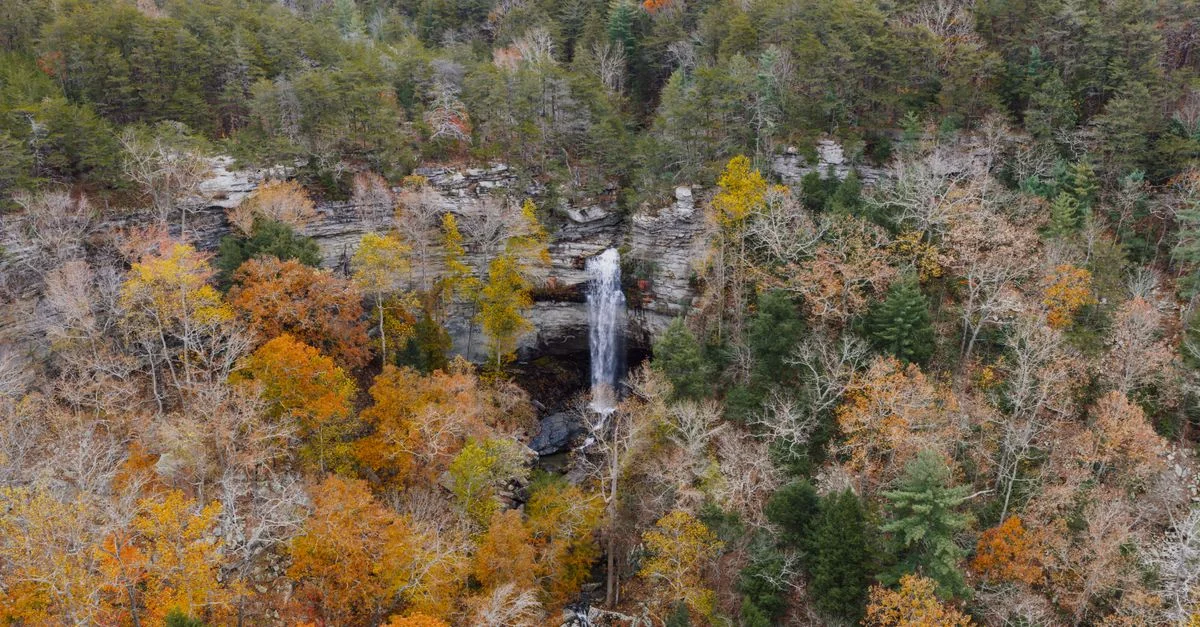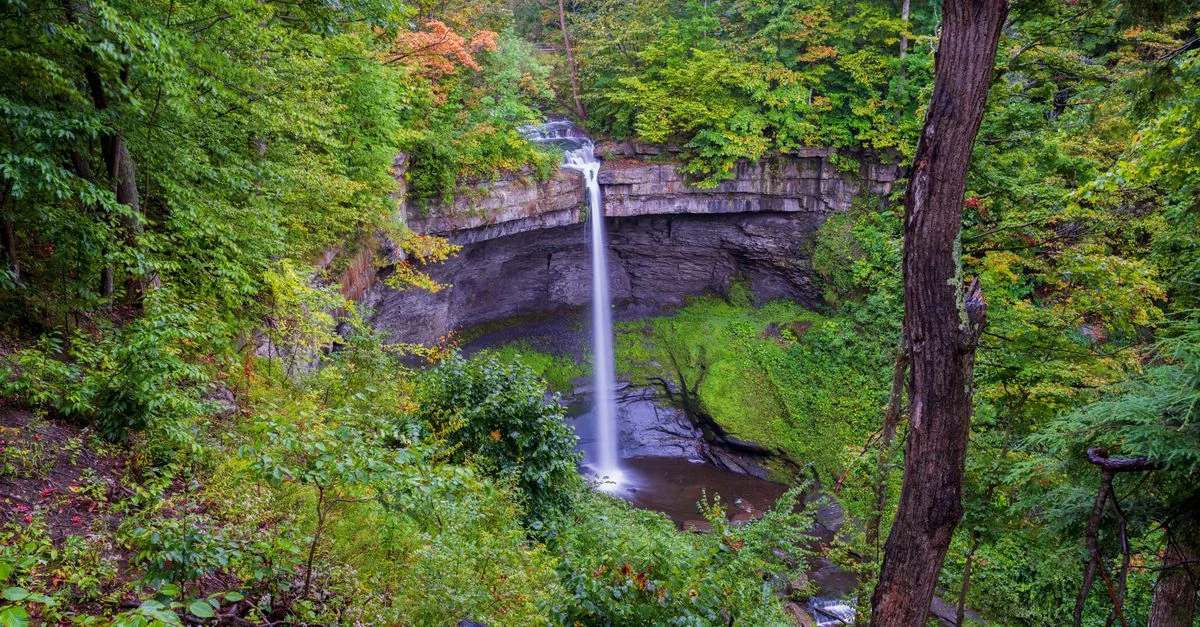
My boots have logged thousands of miles across urban grids, historic districts, and coastal lanes, and I can tell you straight away that Monroe County demands to be explored at street level. When you walk, you catch the sudden shift in humidity as you turn a corner, hear the crunch of gravel beneath your heels, and notice the architectural quirks that zoom right past you through a car window. Monroe County splits its character between tropical island streets and upstate New York corridors, making pedestrian navigation the absolute best way to absorb its contrasting landscapes. Why Monroe County is Best Explored on Foot # Vehicles insulate you from the rhythm of a place. In Monroe County, the real texture exists in the details—the weathered wood of historic markers, the narrow pathways between old stone walls, and the street-corner layouts designed centuries ago long before cars took over. Walking lets you pause indefinitely at a plaque or duck into a shaded lane without worrying about parking fines or traffic.

My sneaker soles hit the cracked asphalt of Government Street just as the morning humidity started baking the oak leaves. Walking Mobile County means tasting the salt air rolling off the bay, smelling crushed pine needles on coastal paths, and feeling the shift in pavement from downtown grid iron to island sand. When I travel for a living, I skip the tour buses because vehicular windows create distance. Walking puts you directly into the rhythm of a place. You notice the wrought-iron balconies, the weathered signs of local storefronts, and the exact angle of the southern sun hitting a historic brick facade. Why Mobile County is Best Explored on Foot # Mobile County rewards slow movement. The geography shifts dramatically from the historic downtown core packed with centuries-old squares out toward the barrier island environments of Dauphin Island. You miss the spatial geometry of the historic squares if you drive past them at thirty miles per hour. On foot, you control the pause. You can stop to read a historical marker, duck under a live oak canopy, or check your phone map without holding up traffic. The scale of the streets is entirely pedestrian-friendly, with low-slung architecture and walkable quarters that open up unexpectedly to the water.

I spent the morning dodging the shadow of the Gateway Arch, feeling the pavement heat up under my boots as I mapped out the most efficient routes through Saint Louis. There is a specific rhythm to this city that you simply miss when you are behind the wheel of a car. When you walk, you notice the architectural details on the older brick facades and the way the city’s history is etched into the very sidewalks you traverse. Missouri is a state that rewards the curious traveler who chooses to slow down, put one foot in front of the other, and engage with the street-level reality of its urban centers. Why Missouri is Best Explored on Foot # Walking allows you to control the tempo of your discovery. In Saint Louis, the geography is layered with stories that are best absorbed at a human pace. When you walk, you are not just checking off landmarks; you are interacting with the city’s layout, finding the shortcuts through historic districts, and stopping whenever a particular building or park catches your eye.
My sneakers hit the pavement of Lumpkin County long before the morning traffic wakes up the historic square. Walking this northern Georgia terrain on foot reveals the actual grain of the place—the steep inclines, the historic brick facades, and the subtle shifts in elevation that car windows completely blur out. When you travel at three miles per hour, every architectural detail and historic marker tells the real story of the region. Why Lumpkin County is Best Explored on Foot # The layout of Dahlonega and the surrounding stretches of Lumpkin County demand a pedestrian approach. Driving misses the tactile details of the gold rush history embedded in the sidewalks and storefronts. Pushing past the county’s topography requires physical effort, but your soles will thank you when you stumble upon quiet side streets and historic corners inaccessible by standard transit.
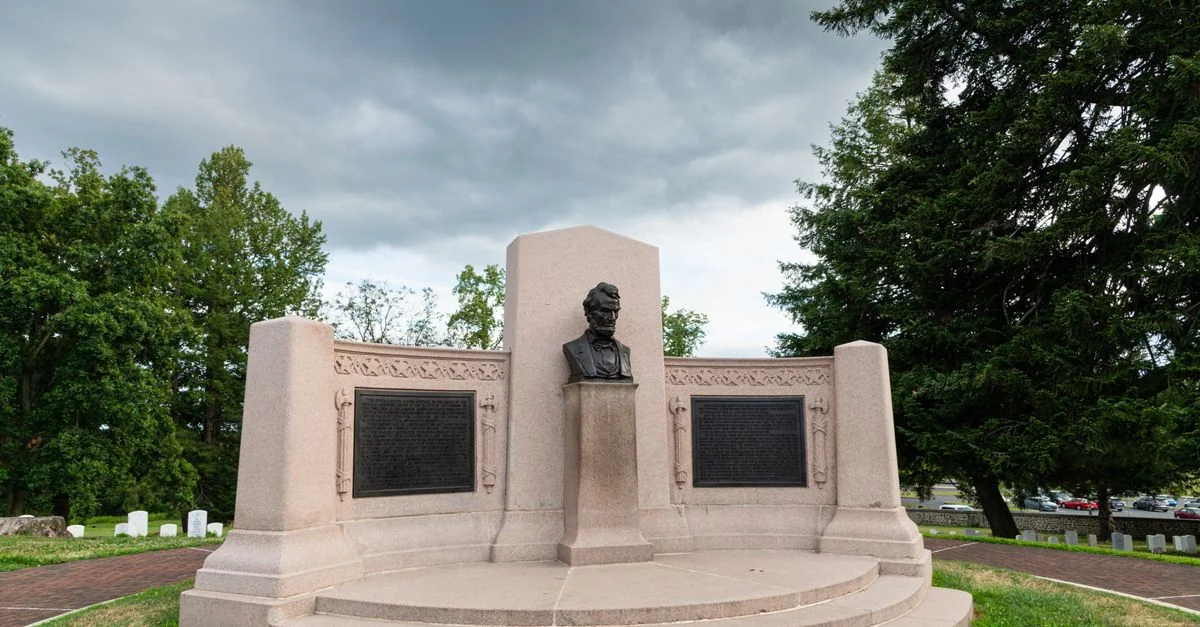
My boots have logged thousands of miles across pavement, dirt tracks, and coastal paths, and few regions reward a walker quite like the landscapes associated with Lincoln County. When you rely entirely on your own two feet, the subtle geographic shifts, local pacing, and regional architecture open up in a way that speeds past you through a car window. I spent days pounding the pavement and navigating the local routes to figure out the absolute best way to experience these areas on foot, leaning heavily on self-paced options and digital guides that keep your eyes up and moving. Why Lincoln County is Best Explored on Foot # There is an intentional friction to walking. You miss the quick blur of roadside scenery, but you gain the ability to stop at a moment’s notice, inspect a roadside marker, or alter your trajectory down an intriguing side path. In Lincoln County, shifting coastal environments and sweeping expanses demand a slower cadence. Whether you are navigating the windy spits or tracking down quirky desert highways, your stride dictates the narrative.

My boots hit the pavement early, long before the crowds gather or the midday heat settles over the sidewalk. There is a specific rhythm to Lancaster County that you only catch when you are moving at three miles per hour. When you drive, you see the broad strokes of the landscape, but when you walk, you notice the architectural details of the storefronts and the way the light hits the local landmarks. I have spent years navigating cities on foot, and I have learned that the best way to understand a place is to let your feet lead the way through its streets. Why Lancaster County is Best Explored on Foot # When you walk through Lancaster County, you are not just passing through; you are interacting with the environment. Driving often forces you to focus on traffic patterns and parking garages, which disconnects you from the actual character of the streets. On foot, I find that I can stop whenever a specific building or alleyway catches my eye. This pace allows for a deeper observation of the local layout. Whether you are navigating the historic corridors or the more modern sections, walking provides a perspective that a car window simply cannot offer. It is about the sensory experience—the sound of the city, the smell of the local bakeries, and the ability to pivot your route at a moment’s notice.

The salt air hits you the moment you step out of the car in Hancock County, carrying the scent of pine needles and cold Atlantic water. Most visitors here spend their time behind the wheel, navigating the winding roads of Mount Desert Island, but those of us who prefer to feel the pavement beneath our boots know that the true character of this region is found at a walking pace. When you slow down, the architecture of the coastal villages and the intricate history of the Gilded Age estates become more than just scenery; they become the narrative of the landscape. Why Hancock County is Best Explored on Foot # Walking allows you to notice the subtle details that define Hancock County. You see the way the light catches the shingles on historic cottages or the specific maritime history etched into the local street signs. When you are on foot, you are not just passing through a destination; you are interacting with the rhythm of the town. The geography here, particularly in the coastal hubs, is designed for human movement. Narrow lanes that were established long before the automobile remain the most efficient way to navigate the dense, historic cores.
I stepped off the curb in Hamilton County and realized immediately that the pavement here tells a much deeper story than a car window ever could. When you walk these streets, you aren’t just moving from point A to point B; you are reading the architecture, feeling the shifts in neighborhood energy, and finding the specific rhythm of the local sidewalks. Walking is how I strip away the tourist veneer of a place to see what is actually happening on the ground. Why Hamilton County is Best Explored on Foot # There is a specific clarity that comes from walking. When you drive, you miss the small, idiosyncratic details—the way a historic facade meets a modern storefront or the specific scent of a local bakery tucked into a side street. In Hamilton County, the scale of the streets encourages a slower pace. I find that when I walk, I am more likely to notice the way the light hits a brick wall or the specific layout of a public square.
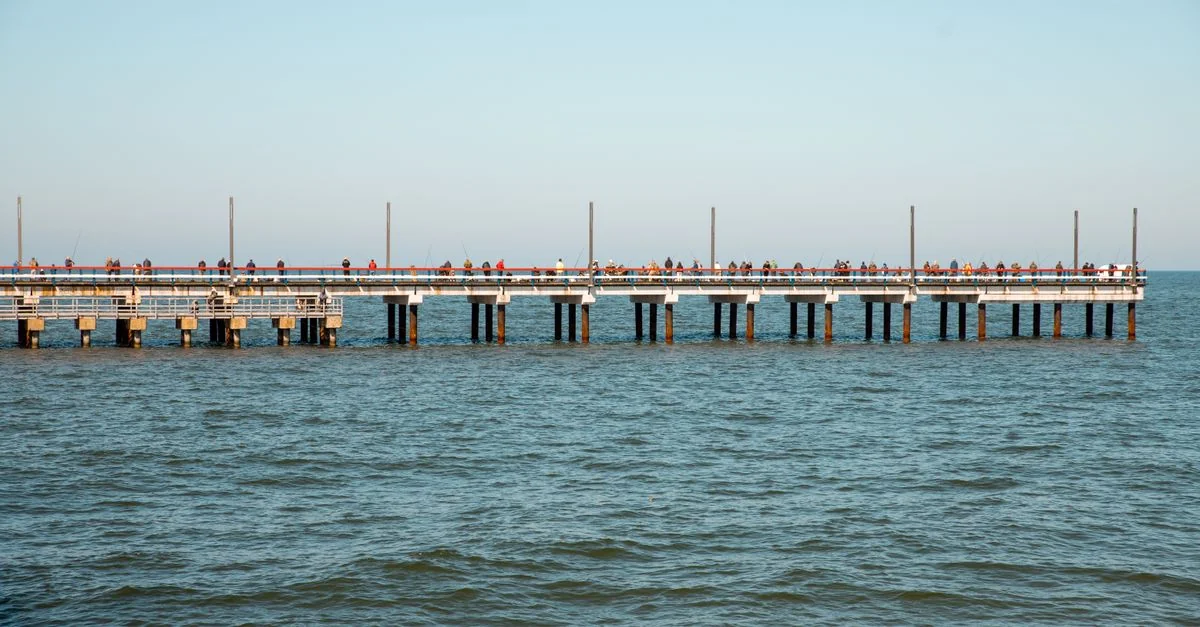
I spent the better part of a week pacing the sidewalks of Georgetown County, letting the rhythm of my own stride dictate the pace of my discovery. There is something about the way the light hits the historic architecture here that you simply miss when you are behind the wheel of a car. When you walk, you notice the texture of the brickwork, the specific scent of the salt air shifting as you move between blocks, and the quiet details that define the local character. Walking is not just a way to get from point A to point B; it is the only way to truly understand the scale and history of this place. Why Georgetown County is Best Explored on Foot # Georgetown County rewards the observant traveler. Because the area is defined by its coastal geography and historic town centers, moving on foot allows you to navigate the narrow lanes and waterfront paths that cars often bypass. When I walk a city, I am looking for the transition points—the moment a busy thoroughfare gives way to a quiet residential street lined with century-old oaks. In Georgetown, these transitions happen every few blocks.
My sneakers have logged thousands of miles across American asphalt, and few regions reward a pedestrian pace quite like Erie County. When you walk these streets, you skip the blur of windshield views and notice the architectural details, the local cadence, and the layout of the neighborhoods. Erie County is flat enough to keep your calves from burning out by noon, yet geographically diverse enough to offer distinct walking experiences across different towns. If you want to understand the character of this region, you have to do it on foot. Why Erie County is Best Explored on Foot # Driving through Erie County misses the point. You miss the smaller storefronts, the historic markers on street corners, and the spontaneous conversations with residents waiting for the crosswalk signal. Walking allows you to cover ground efficiently while keeping your eyes open to the changing streetscapes.