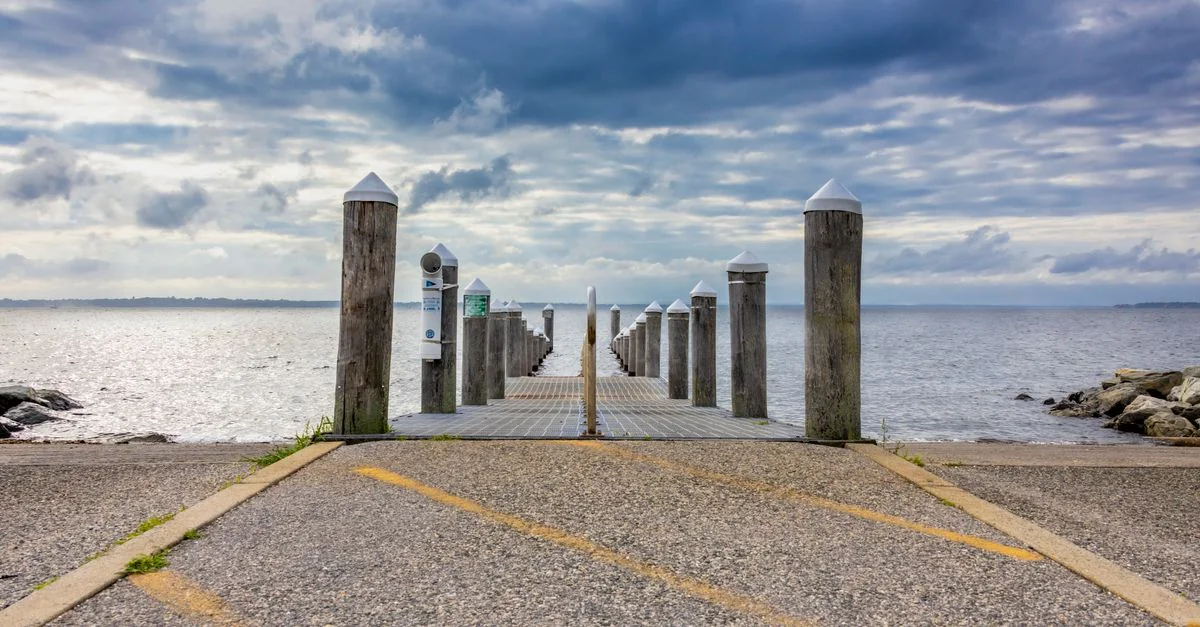
My sneakers hit the pavement of Beaufort County with a distinct crunch of crushed shells and coastal grit, the kind of texture that tells you right away this place demands to be experienced at three miles per hour. When you travel on foot here, you bypass the glass-shielded blur of car windows and actually catch the scent of marsh mud mixed with ancient live oaks. I have logged countless miles across this county, trading taxi rides for legwork, and I can tell you that the flat terrain makes it a walker’s domain—provided you know how to navigate the heat and the mileage. Why Beaufort County is Best Explored on Foot # Streets here were laid down long before exhaust pipes and traffic lights dictated civil engineering. You miss the intricate ironwork on historic porches, the sudden rustle of an egret taking flight from a tidal creek, and the exact slope of centuries-old brick walkways if you ride past them. Walking forces you to slow your pace to match the tides. On foot, you notice the maritime canopy filtering the afternoon sun and the subtle shifts in neighborhood architecture from coastal Victorian to Lowcountry vernacular.
My boots hit the pavement of Anne Arundel County before the morning delivery trucks even finish their routes, logging miles across historic brick streets and waterfront paths. When you travel on foot here, the air changes from salty Chesapeake breeze to the scent of old timber and colonial brick. You notice the narrow alleyways and the slight slope of the terrain down toward the water. Walking is the only way to genuinely understand the scale of this place. Why Anne Arundel County is Best Explored on Foot # Vehicles miss the subtle details: the brass knockers on 18th-century doors, the uneven cobblestones, and the sudden sea views that open up at the end of a residential lane. Sidewalks connect the oldest corners of the county, making it simple to transition from commercial streets to quiet residential blocks lined with historic homes.
My boots hit the asphalt of the Tony Knowles Coastal Trail just as a cold breeze rolled in off Cook Inlet, reminding me that street-level exploration is the only way to truly understand the northern edge of civilization here. When you walk a city, you notice the way the light hits the Chugach Mountains, the sudden scent of pine and salt air, and the exact distance between downtown street corners. I spend my life walking cities, and Anchorage Municipality demands that same pavement-pounding approach. Why Anchorage Municipality is Best Explored on Foot # Vehicles shield you from the character of a place. In Anchorage Municipality, sticking to four wheels means missing the subtle details—the public art installations tucked into small plazas, the sudden elevation shifts that offer sweeping views of the harbor, and the local street life. Walking lets you set your own pace, duck into local coffee shops when the wind picks up, and cover ground that buses simply cannot reach.

My shoes have worn through dozens of city pavements, and the concrete grids of the East Bay offer some of the most rewarding miles for a dedicated walker. When you step out onto the sidewalks here, you trade the sterile view from a car window for the scent of salt air drifting off the bay, the crunch of gravel underfoot in urban parks, and the raw texture of local architecture. Walking lets you notice the small details—hand-painted corner murals, the cast-iron grates of old storefronts, and the shifting microclimates that drop a cool fog over one block while the next sits in warm sunshine. Why Alameda County is Best Explored on Foot # Covering miles on foot changes how you experience geography. You realize how the flat grid near the water gradually tilts upward into the Oakland hills, or how industrial waterfront edges give way to leafy residential avenues lined with Victorian homes. When I stride through these neighborhoods, I am not rushing to a destination; the movement itself is the point. You catch the rhythmic clang of rail lines, smell fresh espresso pouring from corner windows, and navigate unexpected staircases tucked between residential properties.

The red rock formations of Yavapai County rise from the desert floor with such intensity that seeing them from behind a windshield feels like a disservice to the landscape. I have spent years walking the streets and trails of this region, and I have learned that the only way to truly understand the scale of these canyons is to cover the ground yourself. Whether you are navigating the quiet energy of a peace park or listening to the history of the high desert, your own two feet provide the best perspective. Why Yavapai County is Best Explored on Foot # When you drive through Yavapai County, you catch glimpses of the terrain, but you miss the nuances. Walking allows you to notice the subtle changes in the desert flora, the way the light shifts against the sandstone, and the specific silence that settles over the area during the early hours. I prefer walking because it forces a slower pace, which is essential in a climate that demands respect. You can stop to examine a rock formation or adjust your route based on the wind, something a car simply does not allow.

My sneakers have scraped against concrete across five continents, but there is a raw, industrial poetry to walking the asphalt here that keeps me coming back. When you travel by car, you miss the subtle shifts in neighborhood architecture, the scent of fresh-roasted coffee spilling from a converted warehouse, and the sudden appearance of towering public art murals that appear around a blind corner. Wayne County demands to be explored on foot, block by block, at a pace that lets you absorb the grit and grandeur of the Midwest. Why Wayne County is Best Explored on Foot # I spent my first three days here driving between sights, and I felt completely disconnected from the actual pulse of the place. Parking lots and expressways create barriers that a vehicle simply cannot cross. The moment I parked the car, laced up my boots, and hit the pavement, everything changed. You notice the intricate terra cotta details on turn-of-the-century bank facades, the clatter of the Q-Line overhead, and the way locals greet each other at neighborhood crossings.

My boots have logged thousands of miles across asphalt, cobblestone, and caliche dirt trails worldwide, but few regions surprise me quite like Tarrant County. When most travelers picture North Texas, they envision endless suburban sprawl and gridlock on the interstate. Yet, if you step out of the car and hit the pavement on foot, you uncover a completely different rhythm. Walking allows you to notice the architectural details of old cattle-shipping hubs, the distinct scent of mesquite smoke drifting from local kitchens, and the sudden shifts in neighborhood character that highway driving completely erases. Why Tarrant County is Best Explored on Foot # Speed is the enemy of observation. Driving through Fort Worth or Grapevine delivers you from point A to point B, but walking forces you to engage with the streetscape. I spent three days pacing the sidewalks here, tracking how the morning light hits the historic brick storefronts and how the terrain shifts from urban plazas to lakeside paths. When you walk, you catch the subtle markers of local history—cast-iron horse rings still embedded in curbs, century-old neon signs buzzing to life at dusk, and public art installations tucked into alleyways.

My sneakers hit the pavement of New Hanover County with gravel grinding against the soles and the salty Atlantic wind stinging my cheeks. I have walked thousands of miles through cities across the globe, and I can tell you straight up that pavement pounding is the only way to genuinely understand a destination’s pulse. Vehicles insulate you from the environment, but walking forces you to smell the coastal pine, hear the creak of historic downtown boardwalks, and feel the exact grade of the terrain beneath your feet. New Hanover County rewards the walker who is willing to log the miles on foot, taking you from urban historic corridors out toward the ocean breeze. Why New Hanover County is Best Explored on Foot # When you rely on cars or buses here, you miss the micro-details. You miss the way the light hits the historic brick facades in the urban core and the sudden shift in humidity as you approach the coastal fringes. Walking allows you to stop on a whim, inspect a plaque, or take a sharp turn down a narrow alleyway that no vehicle can squeeze through. My calves usually burn by the end of a long walking day in this county, but that physical exertion is the exact price of admission for genuine discovery.
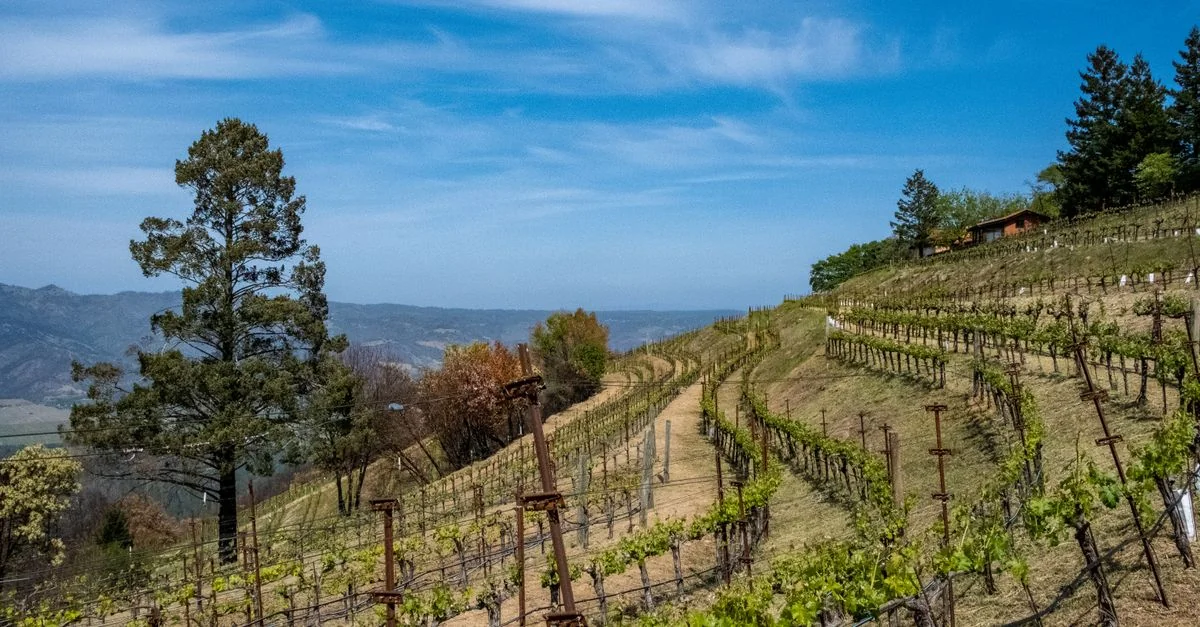
My boots hit the asphalt just as the morning fog began to lift off the valley floor, revealing rows of dormant vines stretching toward the Mayacamas Mountains. When people talk about this region, they usually picture luxury coaches and chauffeured sedans crawling down Highway 29. But pounding the pavement yourself changes the entire geometry of the place. You smell the damp earth, hear the gravel crunch beneath your soles, and notice the peeling paint on historic downtown storefronts that passing drivers miss entirely. Walking forces you to slow down and actually read the landscape of Northern California’s most famous agricultural corridor. Why Napa County is Best Explored on Foot # The scale of downtown hubs and historic districts here is entirely pedestrian-friendly. While the valley spans miles, specific pockets are dense with history, architecture, and local character that vanish at forty miles per hour. When you walk, you catch the scent of roasting coffee beans from a corner roastery or stumble upon a quiet alleyway mural.

I spent three days pacing the sidewalks of Morris County, and the pavement here tells a story that you simply miss from behind a steering wheel. Most people treat this part of New Jersey as a blur of highway exits, but when you actually slow your pace to a walking speed, the architecture and local history start to reveal themselves. Walking is the only way to catch the details in the brickwork or the specific character of the town squares. Why Morris County is Best Explored on Foot # When you walk through Morris County, you notice the shifts in topography and the intentional design of the older town centers. Driving through these areas often means circling for parking or getting stuck in traffic, whereas walking allows you to cut through alleys and side streets that define the local layout. I found that by keeping my feet on the ground, I could stop whenever a building caught my eye or a local shop piqued my curiosity. The scale of the towns here is perfect for pedestrians, as the commercial hubs are condensed enough to traverse in a few hours without needing a shuttle or a ride-share.