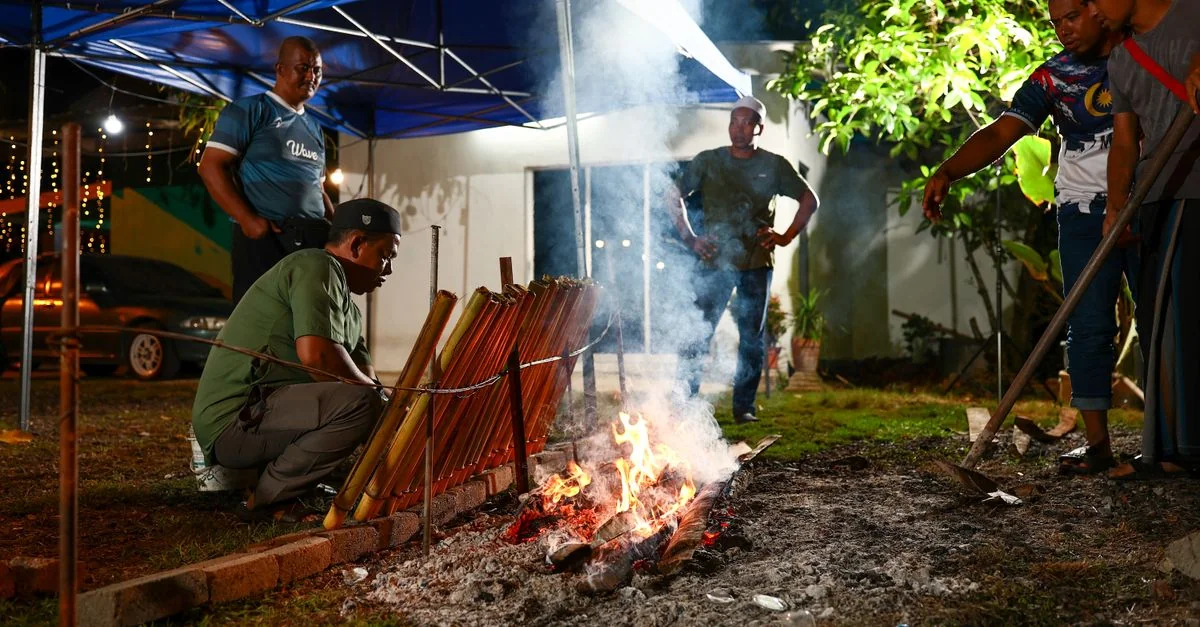
The humidity hits you the moment you step off the plane, a thick blanket of salt air and tropical heat that tells you exactly where you are. I have spent my career pacing the streets and trails of global cities, and Kedah offers a specific kind of rhythm. While much of the region relies on vehicles, the true character of the landscape reveals itself when you slow down. In Langkawi , the transition from limestone cliffs to sandy shores is best felt through the soles of your shoes. Why Kedah is Best Explored on Foot # Walking transforms a trip from a series of checkpoints into a narrative. When you rely on a car, you see the destination, but you miss the transition. In Kedah, the magic lies in the margins—the way a narrow alley opens into a view of the Andaman Sea or the sound of wind through the rainforest canopy.
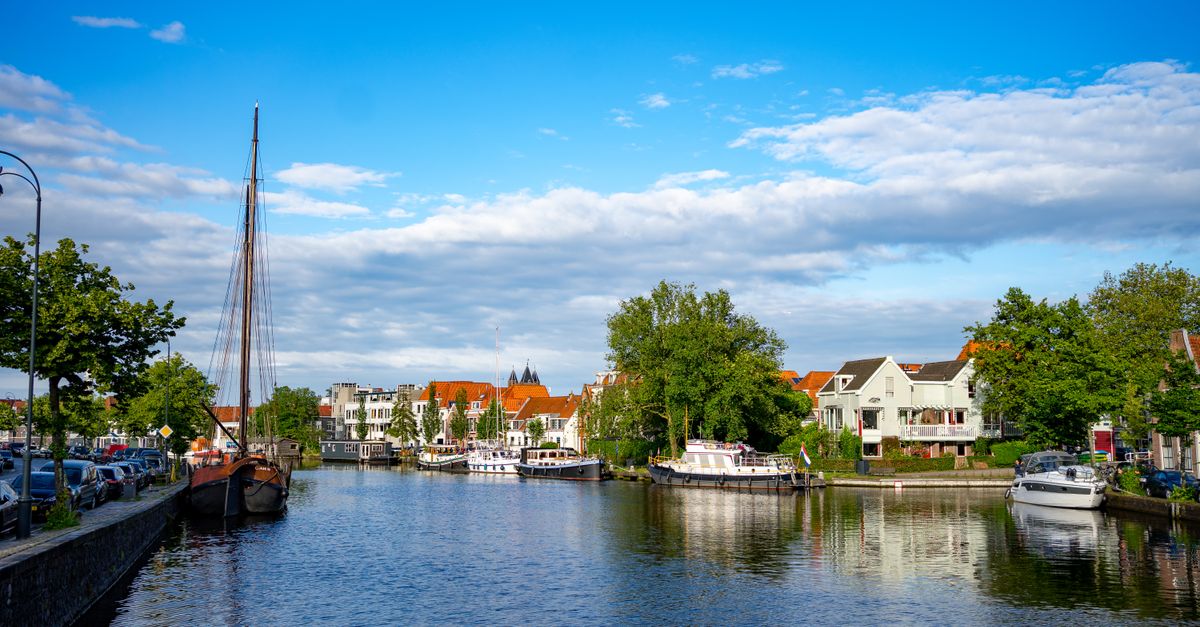
I stepped off the train at Haarlem station and immediately felt the shift in pace from nearby Amsterdam . The architecture here tells a quieter story, one of medieval gables, narrow alleys, and the kind of cobblestone streets that beg for a slow, intentional walk. When you choose to traverse a city on foot, you notice the way the light hits the brickwork of the Grote Markt or the specific sound of bicycle bells echoing against the canal walls. Haarlem is compact enough that you do not need a map to find the center, but you do need a bit of curiosity to find the details that make the city stand out.
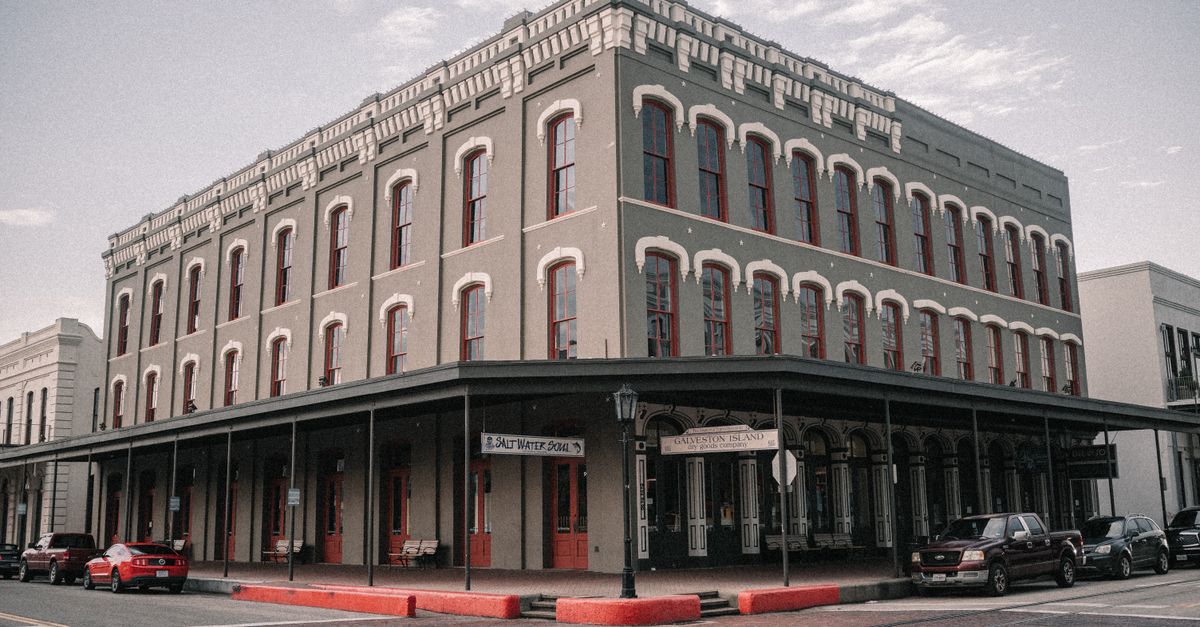
I first set foot on the Gulf Coast with a pair of well‑broken sneakers, a notebook, and a curiosity for the stories that linger in the salty air. Galveston County turned out to be a place where every sidewalk, pier, and historic lane invites you to pause, look closer, and let the past whisper its secrets. Below you’ll find everything I need to know to make the most of a walking adventure here—from why the county shines when you’re on foot to the exact tours that fit any budget, plus the practical know‑how that keeps the day smooth.
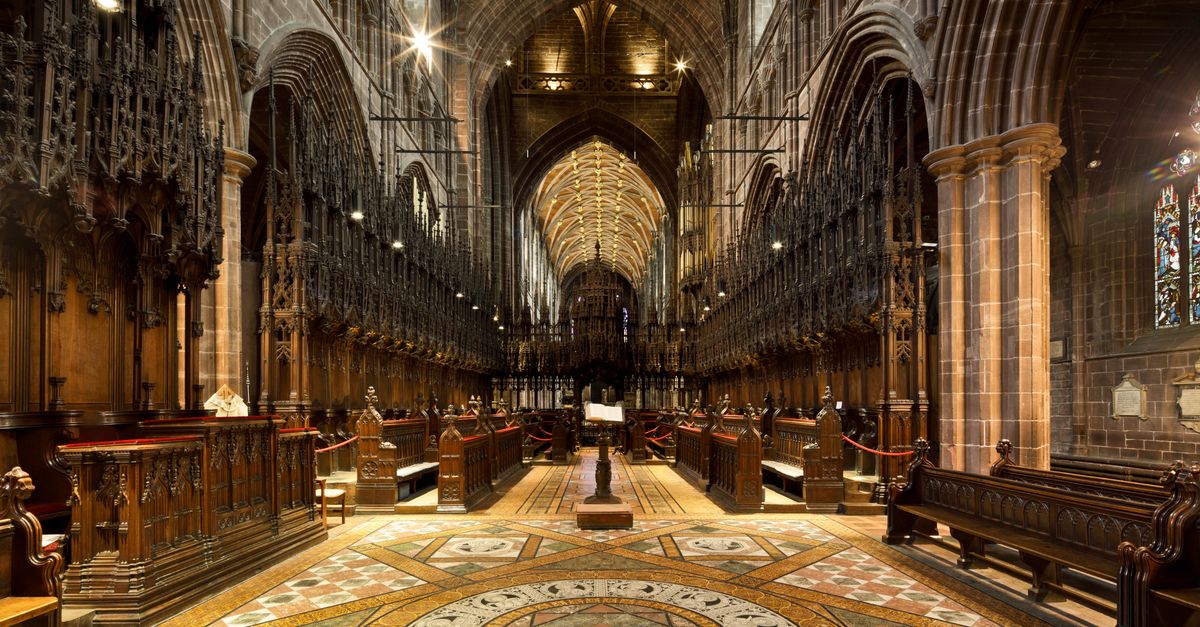
As I stepped into the charming city of Cheshire West and Chester, I was immediately drawn to its long history and picturesque landscapes. With a strong desire to explore every nook and cranny, I laced up my comfortable shoes and set out to discover the best walking tours the city has to offer. My first stop was the historic pub scene, where I stumbled upon The Chester Hangman Historic Pub Tour, priced at $14.75. This audio guide tour sparked my interest, and I began to wonder what other walking tours Cheshire West and Chester had in store.
My calves still remember the exact pitch of the footpath climbing up from the Goodwill Bridge toward South Bank. I spend my life walking cities, tracking the pulse of urban centers one worn-out sole at a time, and Brisbane rewards the pedestrian who doesn’t mind a bit of subtropical humidity. This capital city of Queensland bends around the brown curves of the Brisbane River, creating natural corridors of concrete, timber boardwalks, and riverside promenades that beg to be explored at street level. If you want to understand how this former penal colony transformed into a modern, sun-drenched metropolis, you have to do it on two feet.
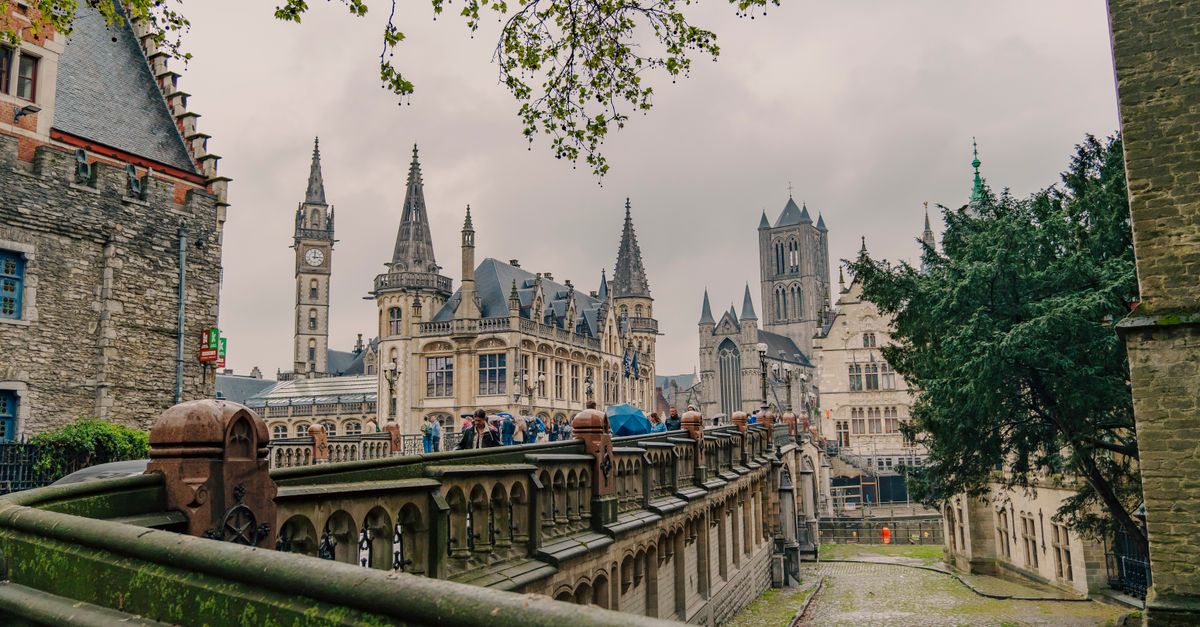
The sound of heels on cobblestones is the true soundtrack of this region. I have spent years pacing through European streets, and there is something about the layout of these Belgian centers that demands you slow down. When you stop relying on maps and start following the architecture, the city reveals its actual character. Why AN is Best Explored on Foot # Walking is the only way to catch the small details that a car or bus would blur. In AN, the distance between the grand squares and the quiet side streets is short enough that you can cover significant ground without feeling exhausted. The urban design encourages a wandering pace, allowing you to spot the intricate facades and narrow alleys that define the local aesthetic.
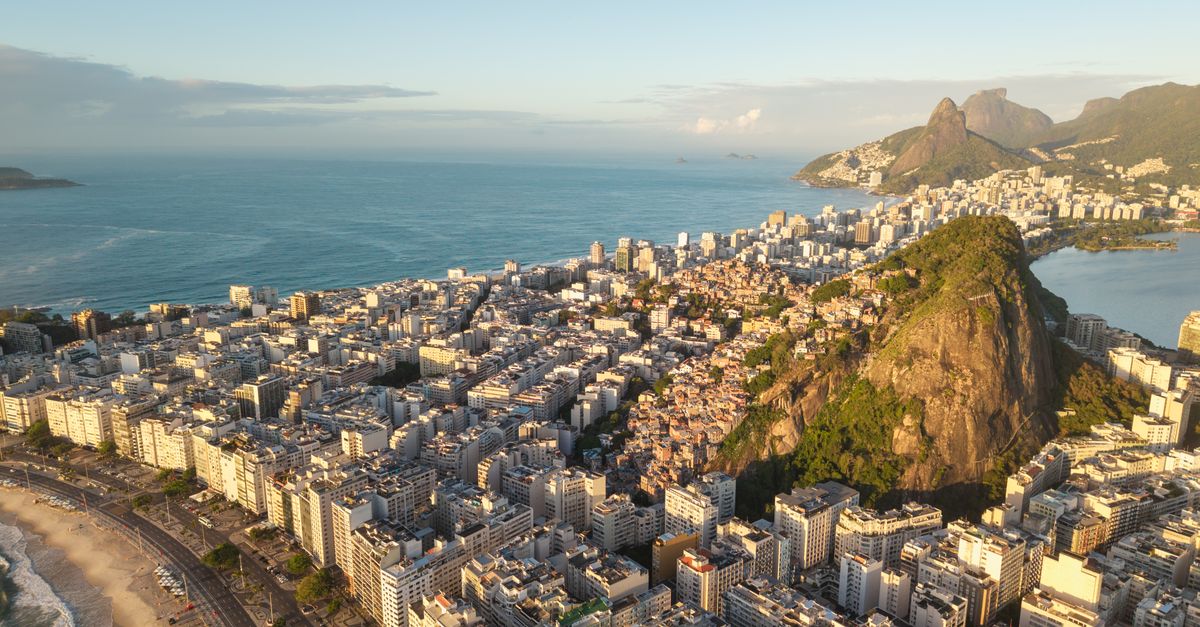
The smell of grilled meat and salt air hits you long before you see the coast, a sensory signal that you have arrived in a city defined by its movement. I have spent years pacing the sidewalks of the world, and Rio de Janeiro demands a slower, more rhythmic pace than most. To truly understand this place, you have to leave the air-conditioned taxis behind and feel the uneven pavement beneath your soles.
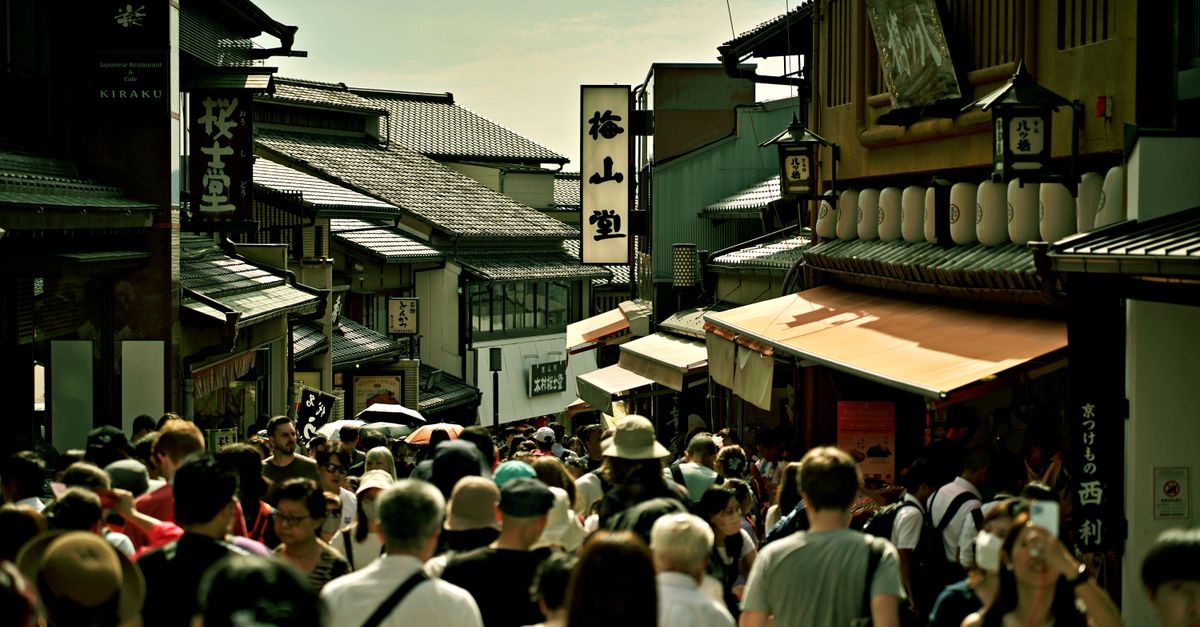
I remember the first time I followed the narrow alleys of Gion at sunrise, the wooden machiya houses casting long shadows on the stone pavement. The city’s quiet rhythm pulled me forward, and every turn revealed a new story waiting to be heard. If you love discovering a place on foot, Kyoto offers just the right mix of history, flavor, and surprise to keep your feet moving and your mind engaged.
My boots have hit the pavement in dozens of cities, but there is something specific about the rhythm of Fulton County that demands a slower pace. When you stop relying on a car and start relying on your own two feet, the city stops being a series of highway exits and starts becoming a collection of stories.
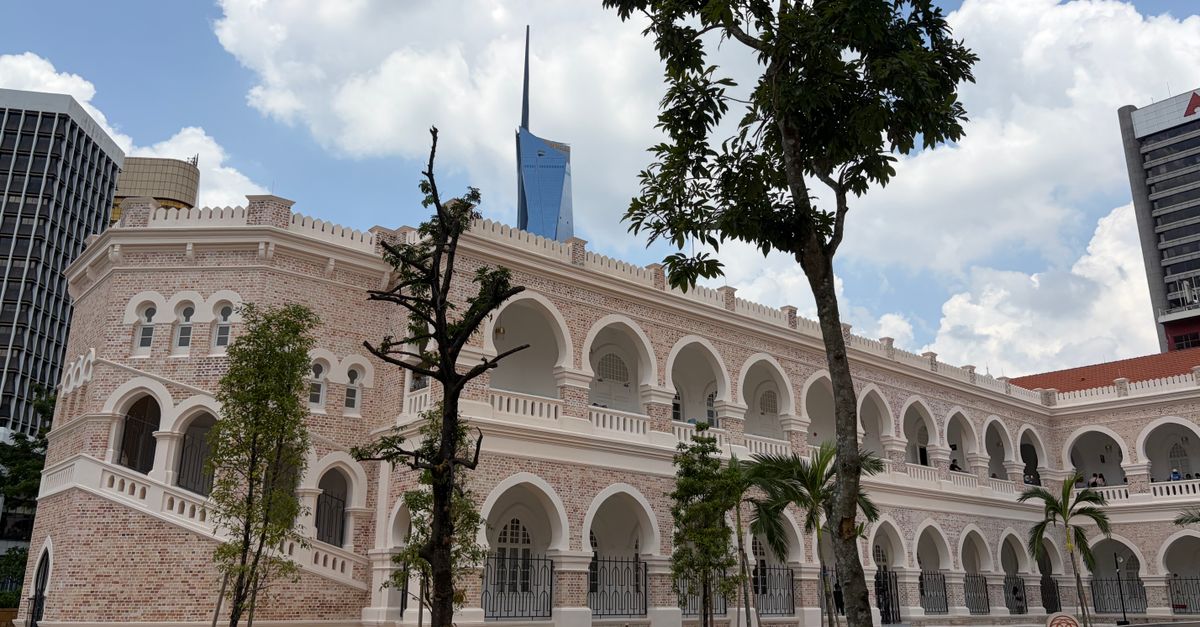
The humidity hits you the moment you step outside, a thick blanket of heat that smells of diesel and frying garlic. I have spent years pacing the pavements of global capitals, but there is something specific about the way the Federal Territory of Kuala Lumpur unfolds when you slow your pace. It is a city of sharp contrasts, where colonial-era brickwork sits in the shadow of steel needles that pierce the clouds. To see this city from a car window is to miss the soul of the place—the small shrines tucked into alleyways and the rhythmic sound of street vendors preparing morning tea.