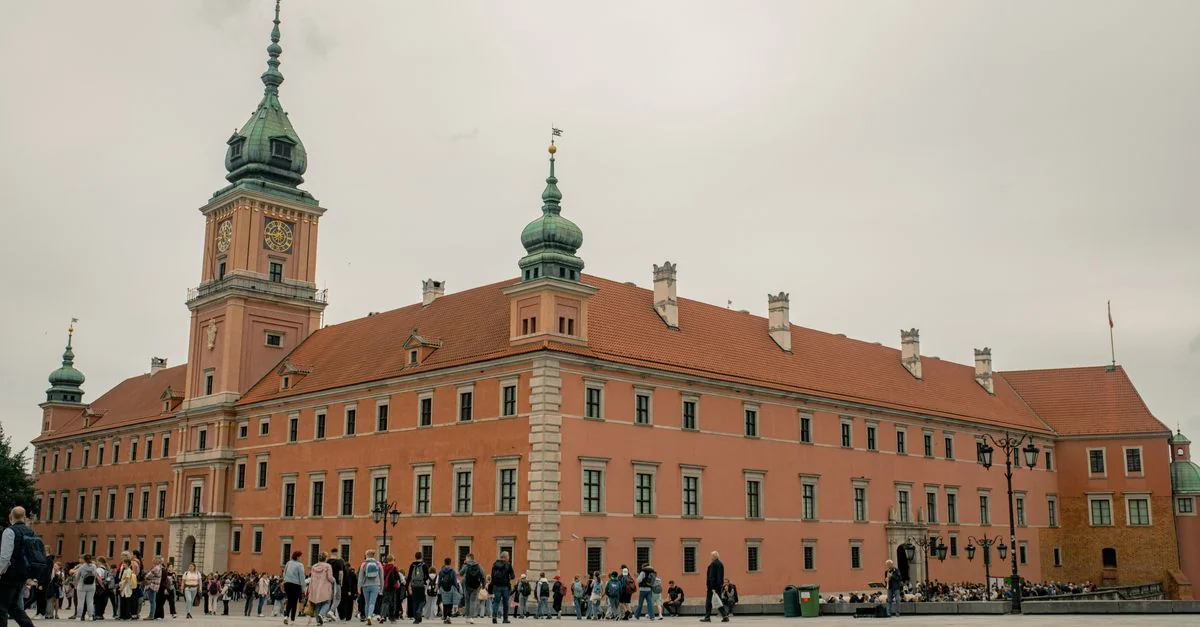
A Pedestrian's Guide to Warsaw: Walking Through History
The smell of damp concrete and pine needles hangs heavy in the air near the Gierłoż forest, a stark contrast to the modern, glass-fronted skyline of Poland ’s capital. I have spent years pacing the pavement of European cities, but few places demand a steady stride and a reflective mind quite like Warsaw . When you walk here, you are not just moving from point A to point B; you are navigating layers of reconstruction, resilience, and memory. There is a specific rhythm to the city—the sound of tram bells, the quiet reverence in the parks, and the deliberate pace of locals who know that Warsaw’s story is best understood by keeping your boots on the ground. Why Warsaw is Best Explored on Foot # Warsaw is a city that rewards the slow traveler. While the public transit system is efficient, it often bypasses the subtle architectural shifts that define the city’s character. When you walk, you notice the bullet holes still visible on the facades of pre-war buildings in Praga, or the way the light hits the reconstructed gables of the Old Town. Walking allows you to bridge the gap between the polished, restored monuments and the raw, historical reality that lies just beyond the main squares.